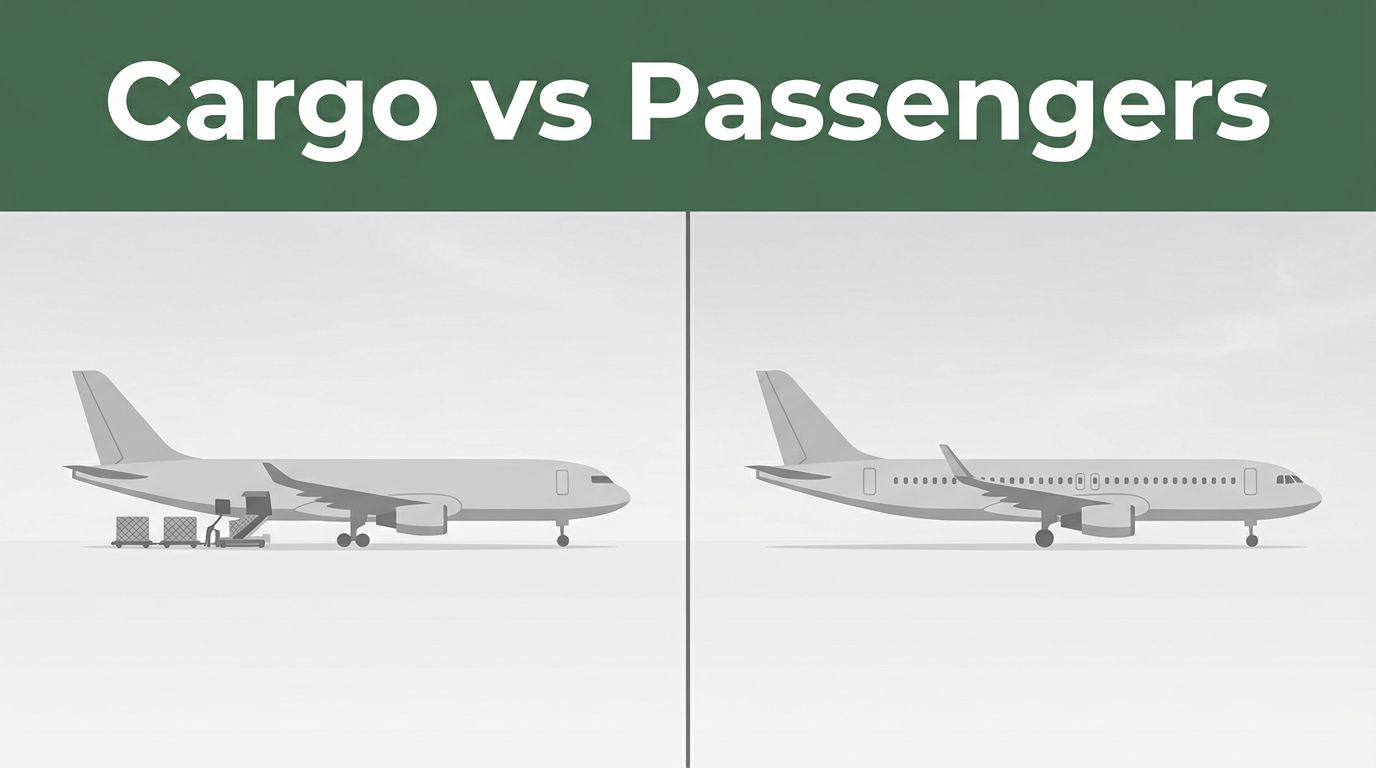
Every day, the world ships about 196,000 tonnes of air cargo, and that number keeps climbing as e-commerce pushes fast delivery. Meanwhile, airlines move more than 13.7 million passengers per day, but passengers are lighter and usually travel shorter hops. That mix matters, because air cargo systems vs passenger flights aren’t built to solve the same problem, even when they share the same sky.
If you run a business, you care about when your goods arrive, how they’re protected, and how costs change by route. If you travel for work or family, you notice the comfort and timing that shape passenger schedules. In both cases, the details behind the scenes shape your experience, from the aircraft setup to the daily flight rhythm.
In the sections ahead, you’ll see how planes differ (freighters vs passenger aircraft), how loading and space planning work, and why crew roles aren’t identical. You’ll also learn how rules and paperwork change when the cargo is food, electronics, or medicine, not a suitcase. Then we’ll look at what’s next for air freight, including demand shifts driven by online shopping and global trade.
So when you compare cargo and passenger flights side by side, what’s the biggest difference you’d expect to see first?
What Sets Cargo Planes Apart from Passenger Jets?
When people picture air travel, they picture windows, seats, and meal service. Cargo aircraft start from a different idea: move weight safely, fast, and in the shape you actually have. As a result, the aircraft look alike from far away, but the design choices tell two very different stories up close.
Cargo Freighters: Built for Heavy Hauls
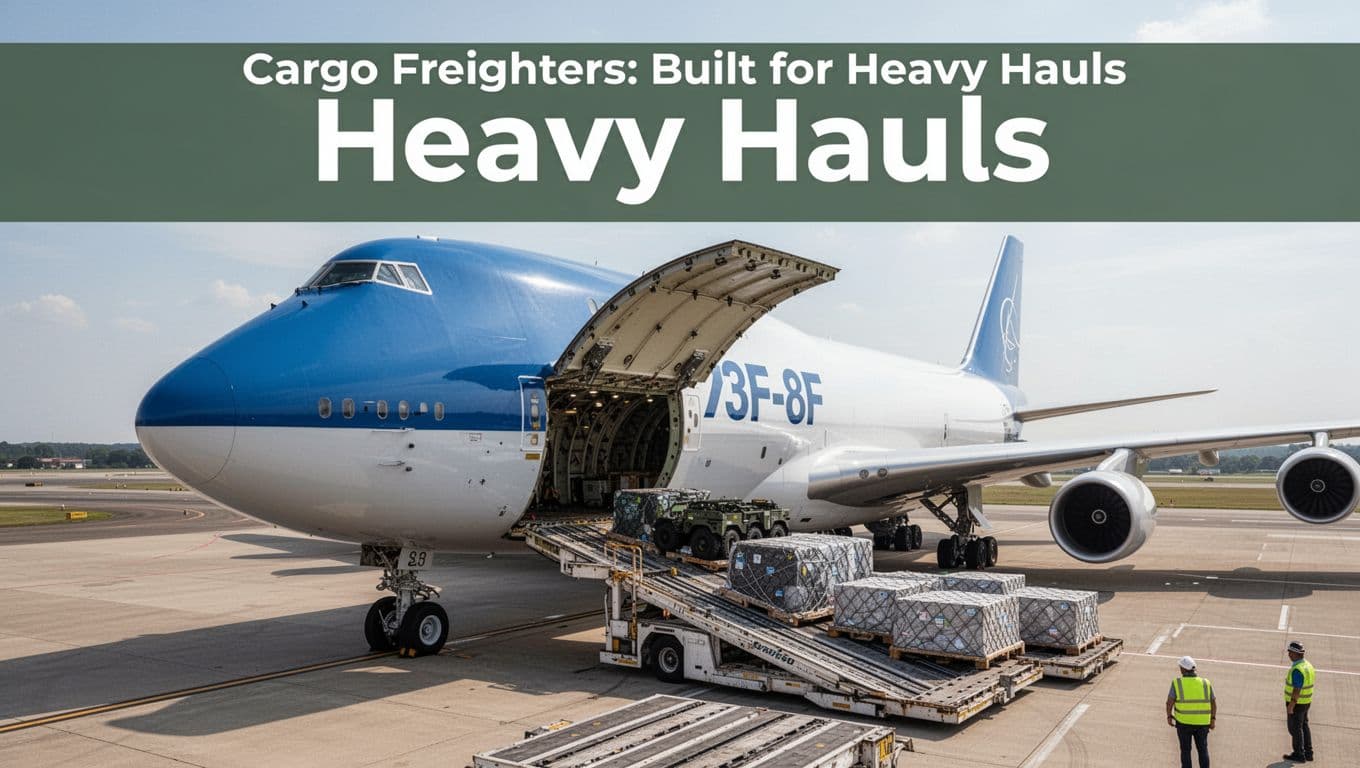
Cargo freighters treat the whole airplane like a big workbench. So instead of a passenger cabin, you get an empty main deck designed to swallow freight in many shapes. A classic example is the Boeing 747-8F, known for its oversized access and nose-opening concept. In real terms, that design means airlines can load bulky items without turning them into smaller, expensive versions first.
Freighters also use loading doors that feel built for trucks, not suitcases. Many have side and nose doors, and some open to create wide, straight loading paths. This matters when you ship something heavy, like machinery, palletized parts, or even live animals that need careful handling.
Inside, you’ll often find floor tracks that let crews secure pallets and containers in specific positions. Those rails help keep loads from shifting during turns and turbulence. Just as importantly, the aircraft structure supports the weight. Freighters typically use reinforced floors and frames, so the plane can handle tons of cargo without flexing in unsafe ways.
Here’s a vivid way to picture it. Imagine a 747-8F nose door raised, with a loading ramp area ready for a vehicle crate. A forklift backs in, and crews snap down pallets in line with the floor tracks. Now picture the next day: the same airplane, different payload, maybe live lobsters in insulated containers headed to a fresh-market route. The shipper still needs speed and control, but the cargo is totally different. Freighters exist for that kind of change.
Even “smaller” passenger details vanish in favor of work space. There are no passenger seats, and yes, a freighter can still include a private toilet for the flight crew. But the cabin layout stays focused on cargo operations, not comfort.
For official 747-8F door and payload details, see Boeing’s 747-8F freighter spec PDF.
Passenger Airliners: Geared for People Comfort
Passenger airliners start with the cabin. Seats, aisles, and overhead storage are the main job, so cargo becomes secondary. Most of the belly cargo space stays limited, and airlines set strict boundaries for what fits safely under the passenger floor.
You’ll spot the passenger priorities fast:
- Seats and seat rows define the cabin rhythm.
- Windows and lighting support comfort during long trips.
- Galleys handle meals and service items.
- Overhead bins store luggage within tight size rules.
Meanwhile, the lower holds exist for small items, like bags and boxes that travel as part of the passenger journey. Some belly compartments also handle light freight, but there’s a ceiling on cargo height and weight. In practice, passenger bellies work best for standard, bag-like cargo, not tall crates or heavy machinery.
That’s why many cargo shippers don’t plan around passenger aircraft, even when belly capacity looks tempting. If a package needs special restraints, oversized handling, or extra structural support, the passenger jet simply doesn’t match the job. Passenger aircraft also impose limits on cargo size and weight because the airframe and floor system support people, not concentrated loads.
In other words, passenger aircraft are like a hotel. You can bring boxes in through a back door, but the building still has rooms and hallways built for guests. Freighters feel more like a warehouse in the sky. They trade comfort for cargo-first geometry and loading.
Looking ahead, some 2026 trends point to more interest in converting or using wide-body aircraft for freight during demand swings. Still, even converted aircraft need major changes to become truly cargo-focused. They must handle loading doors, reinforcement work, and safe restraint systems. Without that, belly-only options still come with the passenger jet’s built-in limits.
So when you compare cargo planes and passenger jets, the design goal shows up everywhere: freighters maximize usable space for freight, while passenger jets protect comfort, service routines, and safe weight distribution for people.
How Loading and Unloading Speed Up in Cargo Flights
Cargo flights feel faster on the ramp because the whole system is built around one idea: turn freight into load weight, then move it, repeat. Instead of managing people, crews move cargo like a truck stop, with tools and doors designed for speed.
In other words, cargo loading is less like opening a suitcase and more like rolling inventory into a store warehouse. When demand changes, the plan still holds, so the flight doesn’t wait around for the “perfect” shipment.
Cargo’s Quick and Flexible Process
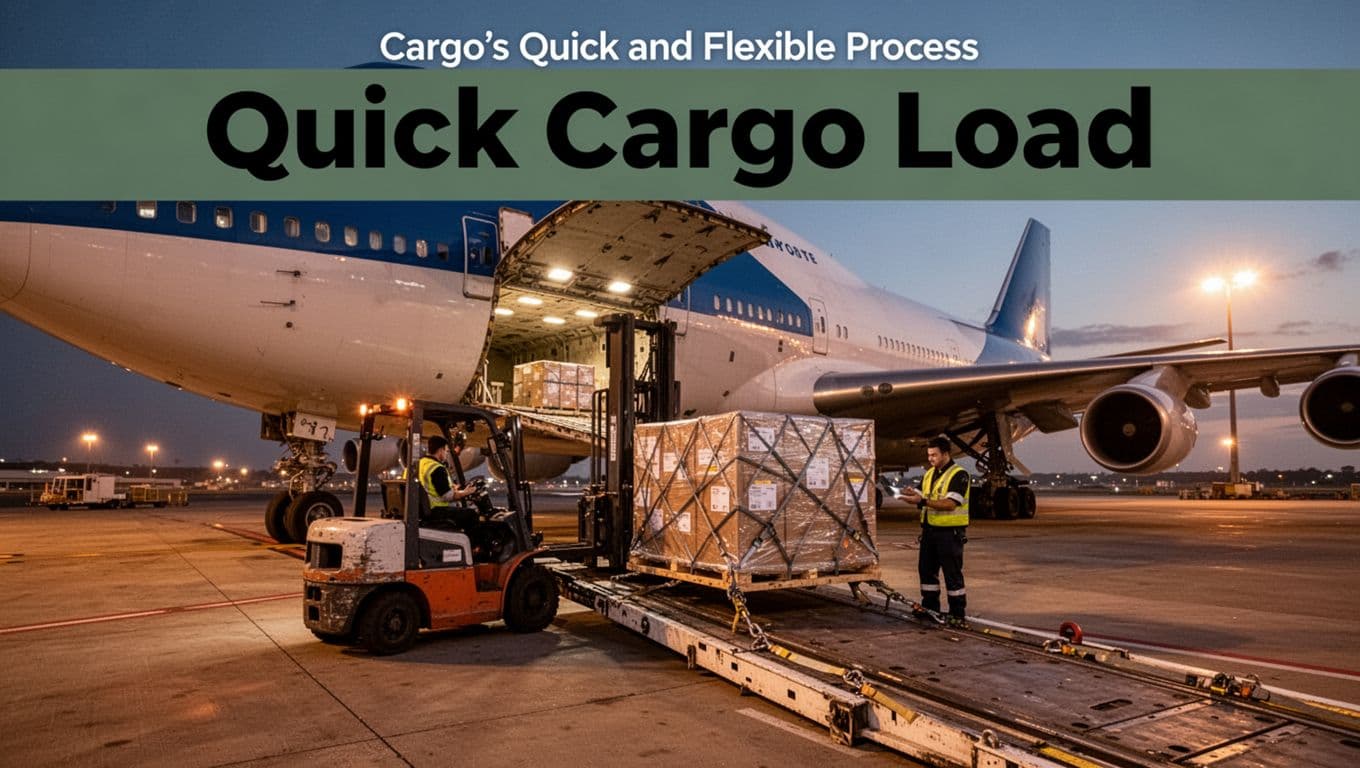
Cargo airlines load based on demand, not on who needs seats today. As a result, a single aircraft can serve many customers in one run by mixing freight types into pallet and container layouts that fit the aircraft.
Here’s how that speed usually shows up:
- Huge door openings (side, rear, or nose, depending on the freighter) let crews bring in pallet loads without weird re-packing.
- Loadmasters coordinate the move and manage safety checks while ground teams work.
- Roll-on pallets and containers reduce friction. Forklifts can slide or roll freight into position, then restraints lock it down.
- Hazardous goods get reinforced handling. Crews follow cargo procedures so the right packages sit in the right areas with proper restraint and paperwork controls. The FAA advisory circular on cargo operations emphasizes training and safe loading responsibilities, which supports consistency under pressure.
Even better, cargo operations often plan around the flight schedule by working around peak passenger rush times. For many networks, night or off-peak arrivals mean fewer gate conflicts. That gives ramp teams more room to work, so the aircraft can get back to the air faster.
Passenger Limits and Passenger-First Delays
Passenger flights move slower on the ramp for a simple reason: people take time. Baggage rules add friction too, because not every bag fits every bin, and some must be checked or re-tagged. Then come the steps that do not exist for freight, like cabin cleaning, meal loading, and boarding control.
Think of it like a deli line. Cargo just needs trays slid in fast. Passengers need orders counted, bags sorted, seats matched, and safety checks completed before departure.
What causes typical passenger-first delays?
- Baggage stowage and gate checks: bags get counted, measured, and moved again when space runs out.
- Cleaning and reset time: crew must tidy the cabin, manage trash, and prepare for the next group.
- Meal and service timing: catering waits for coordination, then crews stock galleys carefully.
- Boarding flow constraints: passengers enter through narrower doors, often through stairs or jet bridges, which slows the pace.
Some carriers push short turnarounds, but the clock still has to cover passenger steps (boarding, deplaning, and cabin reset). Meanwhile, cargo teams can keep working while the ramp stays quiet, especially when freight uses pallet and container systems built for quick in-and-out cycles.
Crew Roles and Flight Schedules That Differ Big Time
Cargo crews and passenger crews do the same broad job, fly safely. Still, their roles feel worlds apart because the workload and the clock work differently. Cargo teams run lean, often built around two pilots and one loadmaster. Passenger flights add cabin staff, service tasks, and tighter passenger flow rules.
Think of it like staffing a warehouse versus running a hotel. In a warehouse, you count boxes, lock them down, then ship. In a hotel, people need help, comfort, and constant resets. That difference shows up in both crew size and flight schedules, especially at busy hubs.
Lean Teams on Cargo Runs
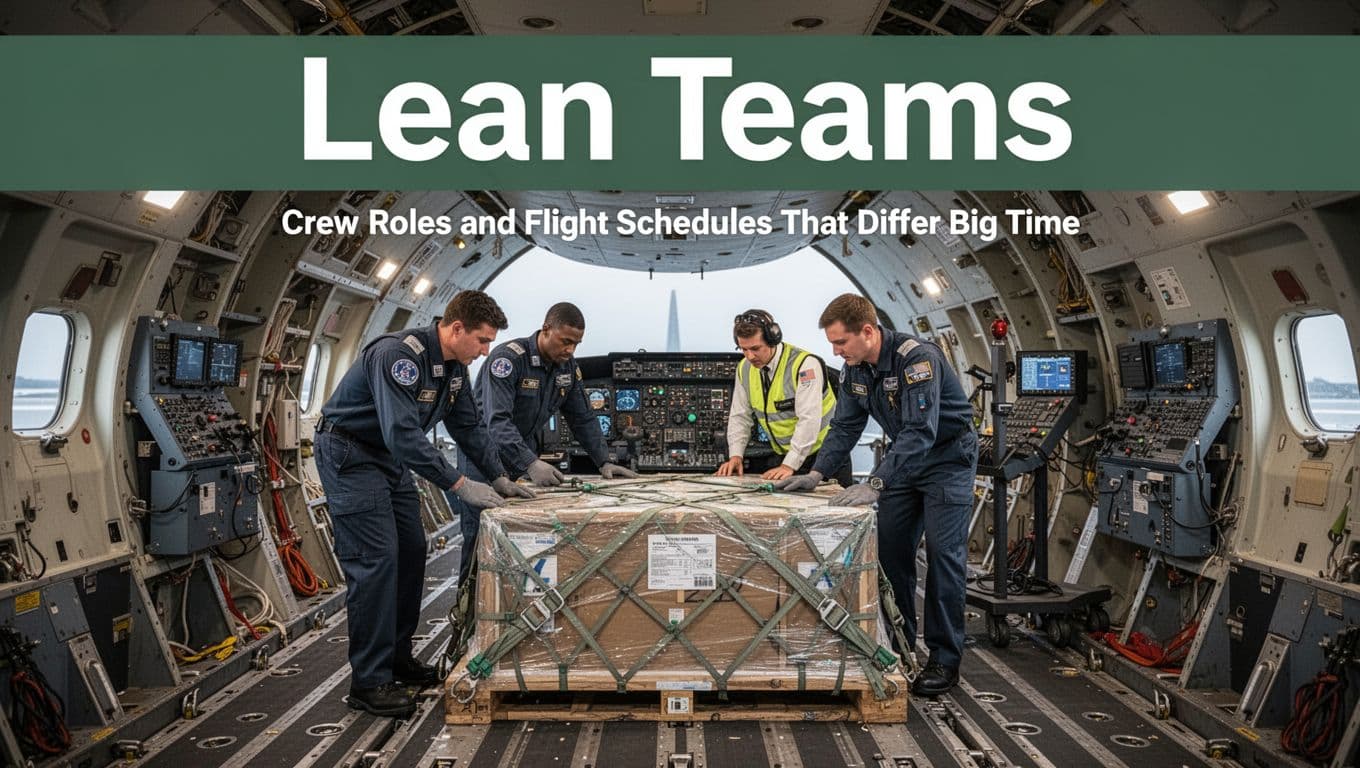
On many cargo flights, you will not see flight attendants. Instead, you typically get two pilots and a loadmaster (sometimes additional support, depending on route length and aircraft type). The loadmaster focus feels like a mix of warehouse operations and flight safety. They track how freight gets placed, then confirm it’s secured for takeoff and landing loads.
This lean setup supports a cost goal, but it also supports a workflow goal. Fewer people means less coordination. It also means the crew can move faster at the ramp, because they focus on the one thing that matters for that flight: payload readiness.
Here are the key balance and loading checks cargo teams usually emphasize:
- Weight and balance planning: the team confirms the cargo sits in the right positions to keep handling safe.
- Freight restraint checks: straps, nets, and lashing points are verified before pushback.
- Load sequence control: they place high-priority shipments where access stays practical.
- Hazmat separation (when needed): cargo types must follow rules, not “close enough” guesses.
In plain terms, cargo is like packing a trunk for a long trip. If the weight shifts, the car feels wrong. If cargo shifts in the air, the plane feels wrong too.
For context on how cargo and passenger pilot work can differ, see differences between cargo and passenger pilots. The same idea applies to the support roles around them: passenger operations add service steps, while cargo operations add load steps.
Now look at belly cargo inside passenger planes. In recent years, belly capacity has made up a large share of the total air cargo system, and small goods often dominate that mix. IATA’s market materials track how demand and capacity move across both freighters and belly space, which helps explain why cargo scheduling can shift quickly when products need to move.
In short, cargo crews stay lean because the work stays focused. Passenger crews stay bigger because the job includes people, comfort, and a whole boarding rhythm that cannot be rushed without risk.
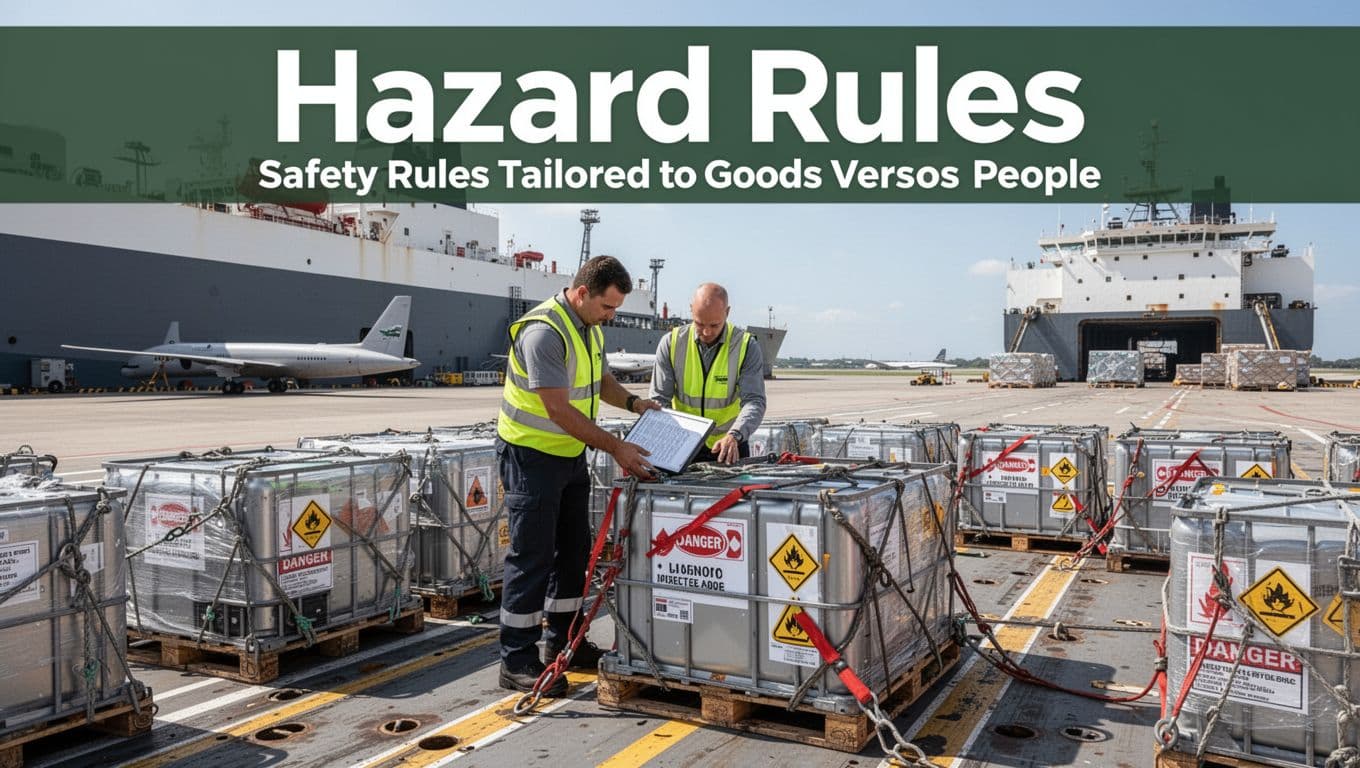
Safety Rules Tailored to Goods Versus People
Safety rules make sense when you remember who needs protection. On a passenger flight, the rules protect people first. On a cargo flight, the rules protect goods, aircraft structure, and the people who handle them on the ground.
Hazardous materials: what can move where (and why)
Cargo can ship many materials that passenger cabins cannot. That difference matters because the main risk changes with the setting. For example, cargo operations often allow certain flammables or chemicals under strict limits, packing rules, and loading conditions. In contrast, passenger flights face tighter constraints on what goes in the cabin and what can be carried at all.
You can see the FAA approach reflected in general cargo operation requirements for aircraft handling and operations. For a baseline look at FAA operational expectations, use FAA guidance on air carrier operations. Also, passenger-specific limits appear in rules that restrict how cargo can be placed on passenger aircraft, including when cargo shares compartments with people. See 14 CFR 121.285 on cargo in passenger compartments.
Here’s the practical takeaway: cargo flights treat hazard control like a packing and placement job, not a “keep it away from passengers” job. Cargo teams plan for safe containment, correct labeling, and the right separation from other shipments.
Weight and balance versus evacuation readiness
Weight and balance dominate cargo safety. A misplaced pallet can change how the aircraft handles, so crews focus on placement, restraint, and documented loading. Passenger rules also track weight and balance, but they add another layer: survival tools and escape plans.
Passengers need evacuations, oxygen systems, and life vests. Cargo flights, especially freighters, don’t plan for cabin exit the same way because there’s no passenger cabin to clear. Instead, cargo teams plan for how loads shift under takeoff, landing, and turbulence, because that motion can become the next safety problem.
Routes, Capacity, and Why Cargo Wins for Big Shipments
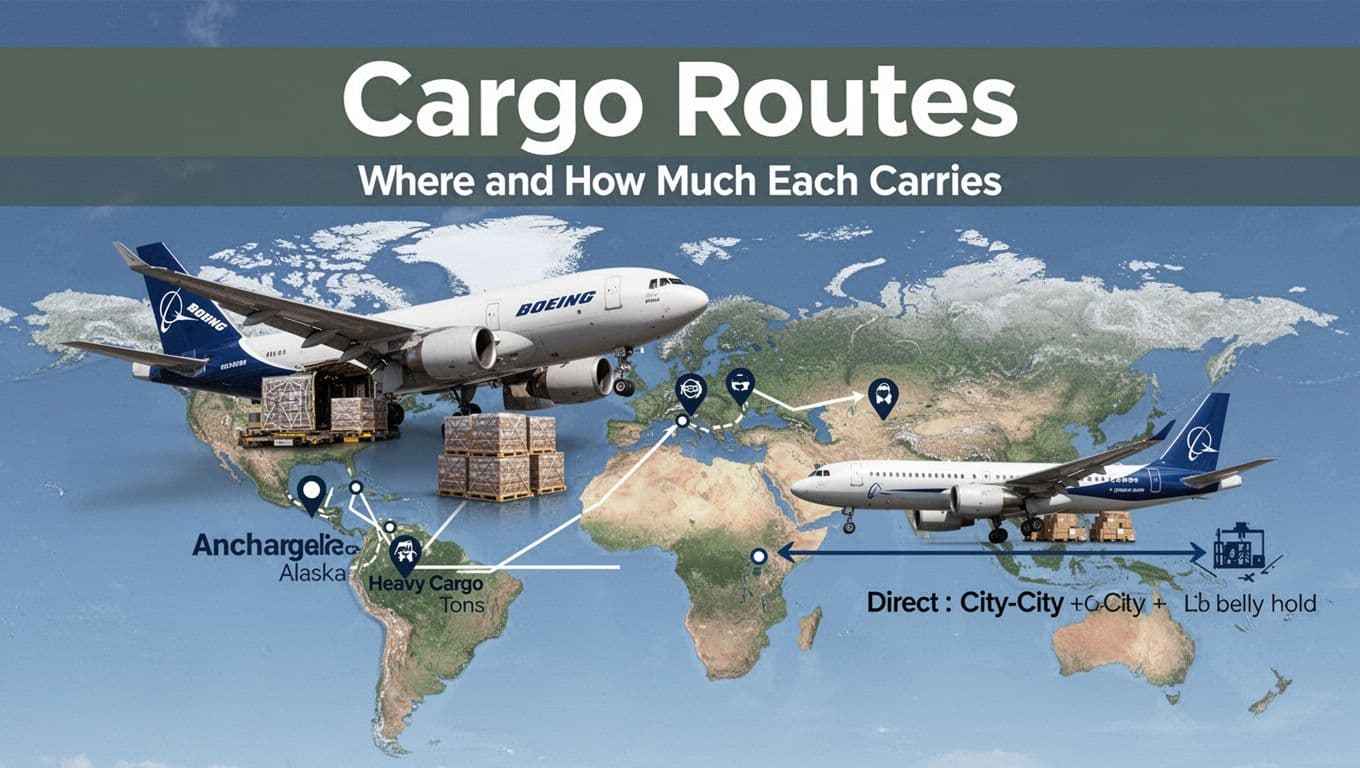
When you ship a big load, route and capacity matter more than schedule promises. Cargo flights usually serve logistics hubs, while passenger flights focus on city-to-city routes and carry most freight in limited belly space. Put simply, cargo is built for volume and weight, passenger aircraft are built for people.
Here’s the key contrast: freighters act like a moving warehouse. Passenger planes act like a bus with a small suitcase compartment underneath. If your shipment is bulky, time-sensitive, or heavy, that difference shows up fast in what airlines can actually move.
Where and How Much Each Carries
Route choice follows demand patterns. Passenger flights connect main markets where people travel, like hub airports and large metros. Cargo routes often connect trade corridors and transfer hubs that act like package sorting centers in the sky.
For cargo, one reason Anchorage stays important is geography. It sits well for transpacific routes, which helps carriers route shipments between Asia and North America efficiently. If you want a deeper look, see why Anchorage remains a major hub. You can also get background from AvGeeks on Anchorage cargo importance.
Capacity is the next swing, and it’s usually more decisive than speed.
- Freighters plan around pallets, containers, and dense loads. They can carry very large shipments in one aircraft, often giving you more predictable space for oversized freight.
- Passenger aircraft carry 200 to 500 people, plus luggage and a relatively light freight mix in the belly. That belly space can handle urgent goods, but it rarely supports the same shipment sizes as a full freighter.
To make this concrete, consider what “big shipment” looks like in daily operations. A freighter may move a full pallet network of spare parts, medical supplies, or retail stock. A passenger flight might move smaller boxes of electronics or replacement components, because the belly can fill up quickly and the aircraft floor system supports lighter concentrated loads.
Cargo also wins in places where land routing is harder. Remote sites and island markets often need the kind of throughput that only air cargo hubs can supply. Meanwhile, passenger routes can look more direct on a map, but they don’t always translate into enough freight room for large volumes.
Finally, note that 2026 capacity trends still favor cargo for volume. Industry reporting points to continued growth in air cargo demand (including e-commerce), while carriers also add space through night operations and passenger-to-freighter conversions. In short, networks keep shifting toward moving more freight weight efficiently.
Efficiency Edges for Shippers
If you care about cost, don’t start with “cheaper per flight.” Start with revenue per kg and whether you can fill the aircraft. Cargo usually gives you cleaner math when you ship urgent or bulky loads, because its capacity matches the way freight is measured and loaded.
Freighters also tend to reward you when you run full loads. When you can book pallet or container space tightly, you reduce wasted room. In contrast, passenger belly capacity is “fill-limited.” Even if the belly has space on paper, your cartons might not stack well, or weight limits might cut you off before volume limits do.
Think of it like rental storage. A freighter is like renting a full warehouse bay. A passenger belly is like renting a closet shared with many other tenants. Closets work fine for small moves, but they struggle when you need to move a whole inventory.
Here are the efficiency levers shippers feel most:
- Better fit for bulky freight: cargo aircraft layouts handle tall, wide, and heavy shapes without forcing re-packing into smaller units.
- Fewer compromises on unitization: pallets and containers lock freight into stable patterns. That reduces handling time and improves load planning.
- More reliable routing for high-value items: medical and time-sensitive goods often need specific flight legs and faster turn times at hubs.
- Night operations support: some capacity growth comes from off-peak flying. That matters when your customer needs goods sooner, but the passenger schedule stays tight. For market context on cargo demand, see IATA air cargo demand updates.
What about the passenger option? It can still win when your shipment is light, small, and time-critical. Belly cargo works well for spare parts, small medical kits, and electronics that fit neatly. In those cases, paying for a seat-driven network can make sense because you only need a fraction of the aircraft’s total capacity.
However, when your shipment grows, cargo wins again. The reason is simple: freighters scale in weight and volume together. Passenger aircraft scale in people first, then fit freight around that constraint.
Also watch 2026 conversion momentum. Passenger-to-freighter programs can add capacity during demand swings, and early 2026 reporting suggests freighter returns helped smooth capacity dips after holiday peaks. If your business relies on dependable lane options, those added freighter seats can improve your ability to plan full loads instead of juggling partial bookings.
In the end, cargo wins for big shipments because it matches the way freight is built, packed, and measured. Passenger planes still have a role. Just remember, they’re better at moving smaller, lighter cargo alongside passengers, not replacing a true freight mission.
Conclusion
So, how do air cargo systems differ from passenger flights? The clearest takeaway is that cargo is built around freight first, while passenger aircraft protect people, comfort, and cabin flow. Because of that, freighters and cargo operations plan aircraft shape, loading steps, and safety checks around pallets and weight, not seats and service.
Here are the top 5 differences, in quick terms:
- Aircraft design: freighters optimize for bulk cargo, passenger jets optimize for cabin space
- Loading speed: cargo uses doors, pallets, and fast restraint cycles
- Crew roles: cargo often runs lean, with pilots plus a loadmaster
- Safety focus: cargo emphasizes load restraint and goods handling; passenger safety centers on evacuation and cabin systems
- Network and capacity: cargo targets hub-to-hub freight lanes; passenger routes carry belly cargo as a secondary fit
Looking ahead, air cargo demand stays strong as e-commerce keeps sending high-value items on tight schedules, even as growth slows. For 2026, the industry expects about 2.6% growth, so the systems that move freight efficiently will keep mattering.
Share this with anyone who ships goods. If you travel often, what’s one detail on a passenger flight that you think would change if it carried cargo instead?