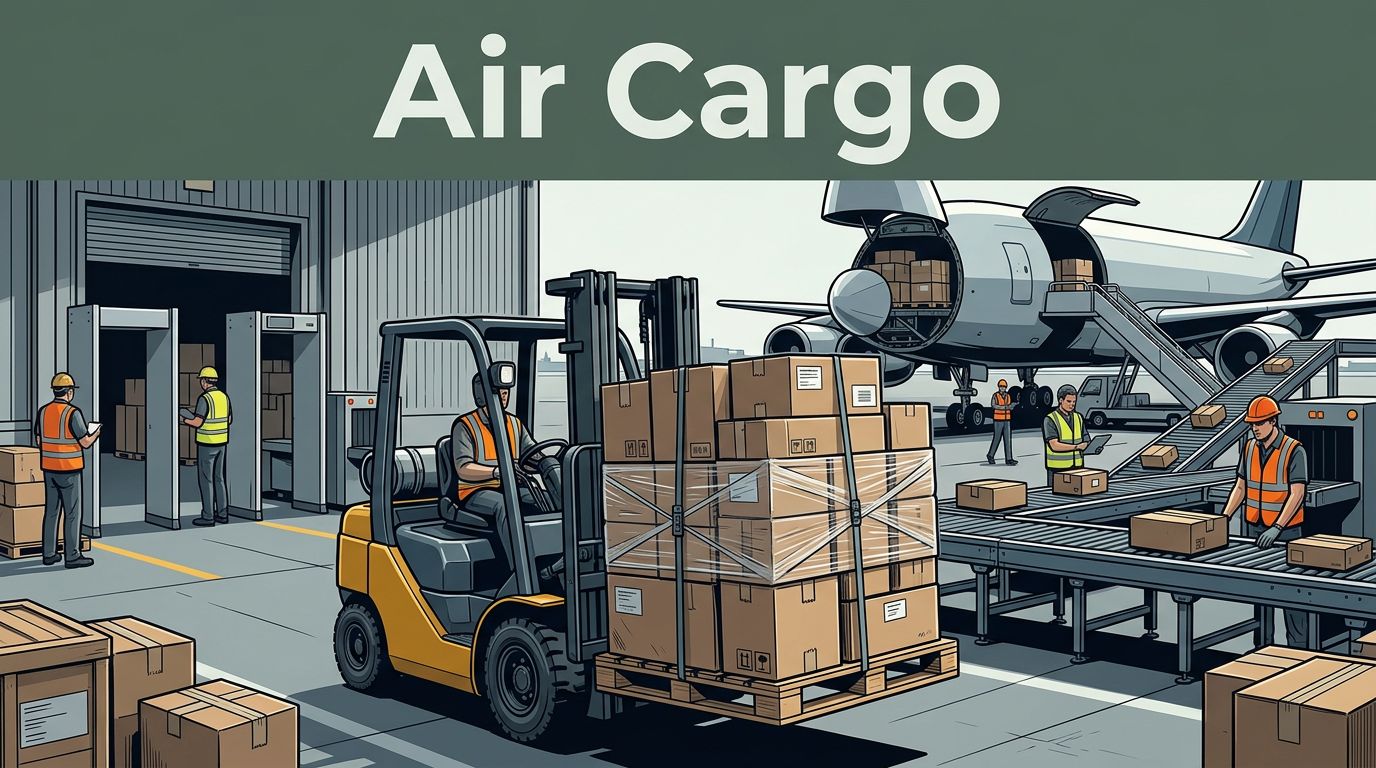
Picture a box headed from overseas showing up at a busy airport cargo facility. Moments after the plane lands, that package starts moving through a tight sequence of checks, sorting, and handling steps. This is the airport cargo facility process, and it affects everyone who ships, buys, or relies on fast deliveries.
For businesses, delays can mean missed sales. For travelers, it can mean getting medical supplies, gifts, or essentials on time. And if you’re simply curious about how global trade keeps flowing, the journey is easier to understand when you know what happens behind the scenes.
So what do goods go through, step by step, once they touch down? First, ground crews unload cargo fast and safely. Then security screening catches risks early. After that, shipments get sorted, matched to the right documents, and cleared through customs. Next, goods move into short-term storage. Finally, the facility handles final prep and dispatch, often using tools that give real-time visibility.
Let’s start at the exact moment the plane arrives.
What Happens When the Plane Lands and Cargo Gets Unloaded
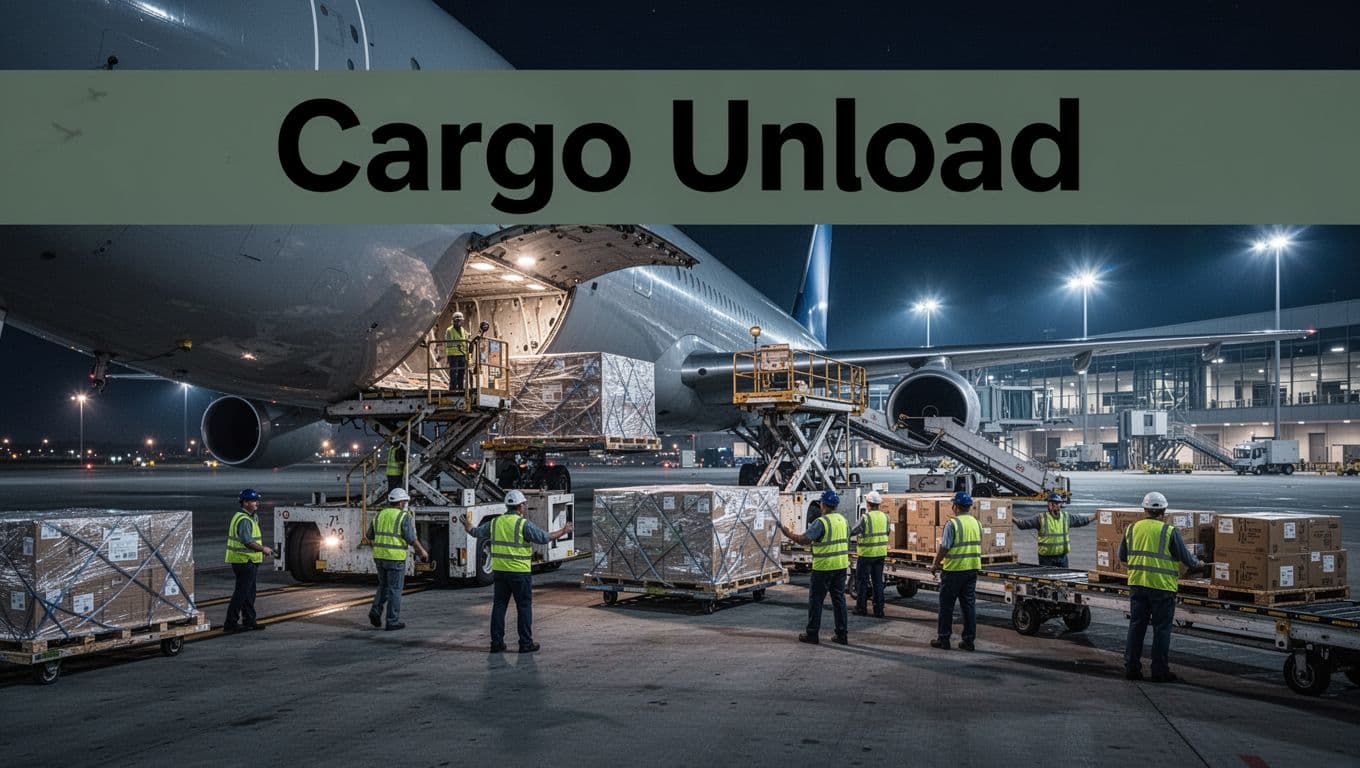
When the plane lands, cargo handling begins almost immediately. Ground crews guide the aircraft into position, then open the cargo door. From there, unloading looks a lot like taking groceries out of a truck, just on a much bigger scale.
Depending on the aircraft and shipment type, workers may move cargo by pallet, by ULD (unit load device), or as loose pieces. They often use high loaders to lift pallets and bring them to the right height for transport. Dollies help move items across the tarmac. Conveyor belts can carry boxes in a steady flow toward the terminal area.
Speed matters here, because aircraft turnaround windows are tight. Still, safety comes first. Crews follow set routes, use approved handling equipment, and keep people clear of pinch points. They also watch the condition of pallets and straps. If something looks damaged, it gets addressed before it reaches the next station.
Next, the cargo reaches the terminal or processing building. Here, workers connect the physical freight to the paper trail (and the data trail). A key step is comparing what arrived to the flight manifest and load records. That helps the facility catch issues early, like missing pallets or misrouted ULDs.
Even small errors at this stage can cause big problems later. A box that goes to the wrong bay might miss its customs slot. It might even miss the next flight entirely. So unloading sets the stage for everything that follows.
Tools and Teams That Make Unloading Smooth
Unloading does not rely on one “super worker.” It works because the right tools meet trained teams.
Facilities often use equipment built for specific cargo shapes and weights. Palletized cargo may move through high loaders and belt systems that keep flow steady. ULDs might go through dedicated unloading setups, which help protect freight and reduce manual lifting. If you want a clear example of how ULD unloading is designed, see how ULDs get unloaded with specialized systems. The basic idea is simple: match the equipment to the load, so handling stays controlled.
Teams typically rotate through roles: positioning, guiding dollies, monitoring load transfer, and documenting movements. Many facilities operate around the clock, because flights land at all hours. That means staffing plans must account for fatigue and peak arrivals. When teams stay trained and consistent, the entire process runs calmer.
Also, unloading teams care about more than speed. They track damage risk. A dented pallet, a torn wrap, or a loose strap can spill cargo or cause product loss. If the facility spots problems early, it can re-pack, re-label, or isolate freight before it affects other shipments.
Think of it like a kitchen during dinner rush. A good meal requires more than one good cook. It needs tools, timing, and a clear handoff between stations.
With unloading finished, cargo moves into the next big checkpoint: security screening.
Why Security Screening Is the First Big Hurdle for Every Shipment
If unloading is the “moving trucks” moment, security screening is the “stop and check” moment. It applies to air cargo before it travels further in the supply chain. The goal is simple: protect the public and keep goods safe.
In practice, facilities run cargo through screening systems and structured inspections. Depending on the shipment, cargo may go through X-ray machines, explosive detection tools, and other methods. The facility also applies identity checks and tracking controls, so the cargo does not lose its place in the handling chain.
Most importantly, security works with chain-of-custody tracking. That means the facility records when cargo arrives, where it sits, who handles it, and where it goes next. Even if you never see the paperwork, that record keeps movements traceable.
For a grounded view of how the US approaches air cargo screening programs, read TSA’s cargo screening program overview. It explains how the system supports screening requirements for air cargo, including processes used by industry partners.
This step can feel like the last thing you want when you’re in a hurry. Yet it helps prevent the kind of problem that shuts down a whole operation. It also protects passengers, flight crews, and the goods that are waiting behind the line.
If you’ve ever watched airport bag scanners work, you already get the vibe. Cargo screening turns uncertainty into documented certainty.
Once security clears a shipment, the real race begins: sorting, matching, and clearing customs.
Sorting Shipments and Clearing Customs Without Delays
After screening, cargo enters the sorting phase. This is where the airport cargo handling process starts to look like a well-run logistics puzzle.
First, workers separate shipments by flight-specific identifiers, like the air waybill. The air waybill helps connect each piece of cargo to its destination and route. Then they match physical cargo to the right documents and records. If a shipment needs special handling, teams flag it during this stage too.
Then comes customs. For international freight, customs clearance often depends on how complete and accurate the shipping paperwork is. Facilities may use pre-arrival notices and document checks before the shipment reaches the final handoff. Officials or partner systems review product details, values, and classification codes, depending on what applies.
Accuracy matters because customs workflows use data to decide what to inspect and what can move through faster. A correct product code, a consistent description, and the right declared value can reduce back-and-forth calls. When information matches, clearance can happen with fewer delays.
For shippers and forwarders, this is why documentation quality is not “paperwork for paperwork’s sake.” It affects how quickly a shipment can move from airside processing to onward delivery.

Matching Boxes to the Right Air Waybill
On mixed flights, sorting can feel like matching keys to the right locks. A single cargo area might hold many shipments bound for different destinations. Workers must route each shipment to the correct processing lane and storage bay.
They often rely on labels, scanning, and document systems that connect cargo identifiers to the air waybill. That may include handheld scanners, handheld checks against shipping records, and system updates that show where cargo is “supposed” to be.
Precision matters here because cargo rarely travels in neat single-piece lines. Boxes may arrive on pallets, and pallets may include multiple shipments. So the facility uses a controlled process to break cargo into the right groups without mixing destinations.
This stage also protects against avoidable delays later. If cargo starts in the wrong track, it can trigger extra checks. It can also lead to missed pickup windows.
The sorting area tries to keep things predictable for the next teams waiting downstream.
Customs Officers at Work: What They Check and Why It Matters
Customs is not one action. It’s a set of checks designed to meet legal and safety rules.
Officers and document reviewers may focus on the shipment’s paperwork and declared details. Common items include classification information, proof of value, shipping terms, and any product-specific documentation. Certain goods might require certificates or permits before they can move forward.
Because customs processes can vary by shipment type, many importers work with freight forwarders or customs brokers. Those partners often submit pre-arrival data and help keep paperwork aligned across parties. When data stays consistent, customs checks can become faster and more predictable.
If you want a detailed explanation of US customs clearance and the kinds of documentation involved, see CBP documentation requirements in this customs clearance guide. It walks through the major steps importers and forwarders face.
Here’s the takeaway: customs delay usually comes from mismatches. A small error can lead to longer review times. A missing document can stop movement until it shows up.
Once customs clears the shipment, the goods move to storage and waiting areas.
Where Goods Chill Before Their Next Move: Storage Options
Not all air cargo moves out immediately. Sometimes it needs time for clearance, consolidation, or routing. That’s where storage options come in.
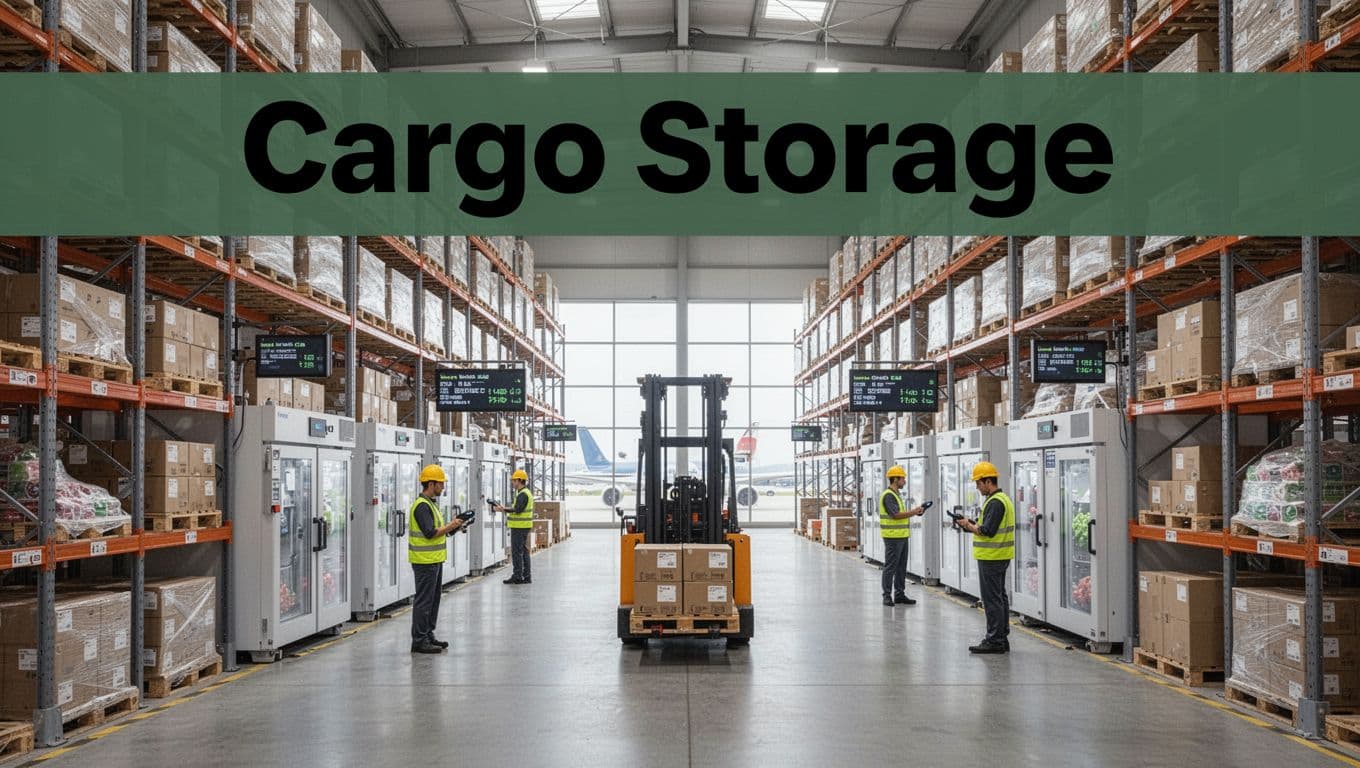
Most airports use temporary warehousing near the cargo terminals. The facility acts like a large, organized garage. Incoming freight parks in assigned locations until it gets a confirmed next step.
Storage needs vary by cargo type. Perishable goods may require temperature-controlled areas. Fragile items might get special zones to reduce risk. High-value shipments may get tighter access controls.
Also, there’s a difference between on-airport and off-airport facilities. On-airport warehouses keep the flow close to the aircraft operations. Off-airport facilities can handle overflow, or focus on value-added services like re-packaging and pick-and-pack work.
In both cases, the big goal stays the same: keep cargo safe and easy to pick up. Storage teams use inventory systems to know what sits where. They also watch for time limits, especially for cargo that needs fast dispatch.
Once a shipment clears, it does not “wait forever.” It typically moves into the next prep cycle, either for a local delivery run or for loading onto the next flight segment.
How Cargo Facility Layout Supports Faster Pickups
Storage speed depends on layout. Facilities plan bay locations, aisle widths, and forklift routes to reduce travel time. They also separate lanes by shipment status, like “cleared and ready” versus “awaiting docs.”
Many airports build or expand cargo distribution space to handle new demand. If you want examples of how cargo distribution facilities are set up across regions, browse aviation cargo and distribution facility project types. That kind of directory shows how airports and developers think about cargo space.
Just as important, the facility keeps storage linked to tracking. That way, dispatch teams can locate the exact shipment quickly. If tracking data and physical location disagree, handling slows. So storage teams treat accuracy like part of the job, not a bonus.
Now that goods are stored, the final prep phase determines whether they leave on time.
Final Prep and Tech Tricks for On-Time Delivery in 2026
By the time cargo reaches final prep, most of the heavy work is done. Still, this phase can make or break delivery timing.
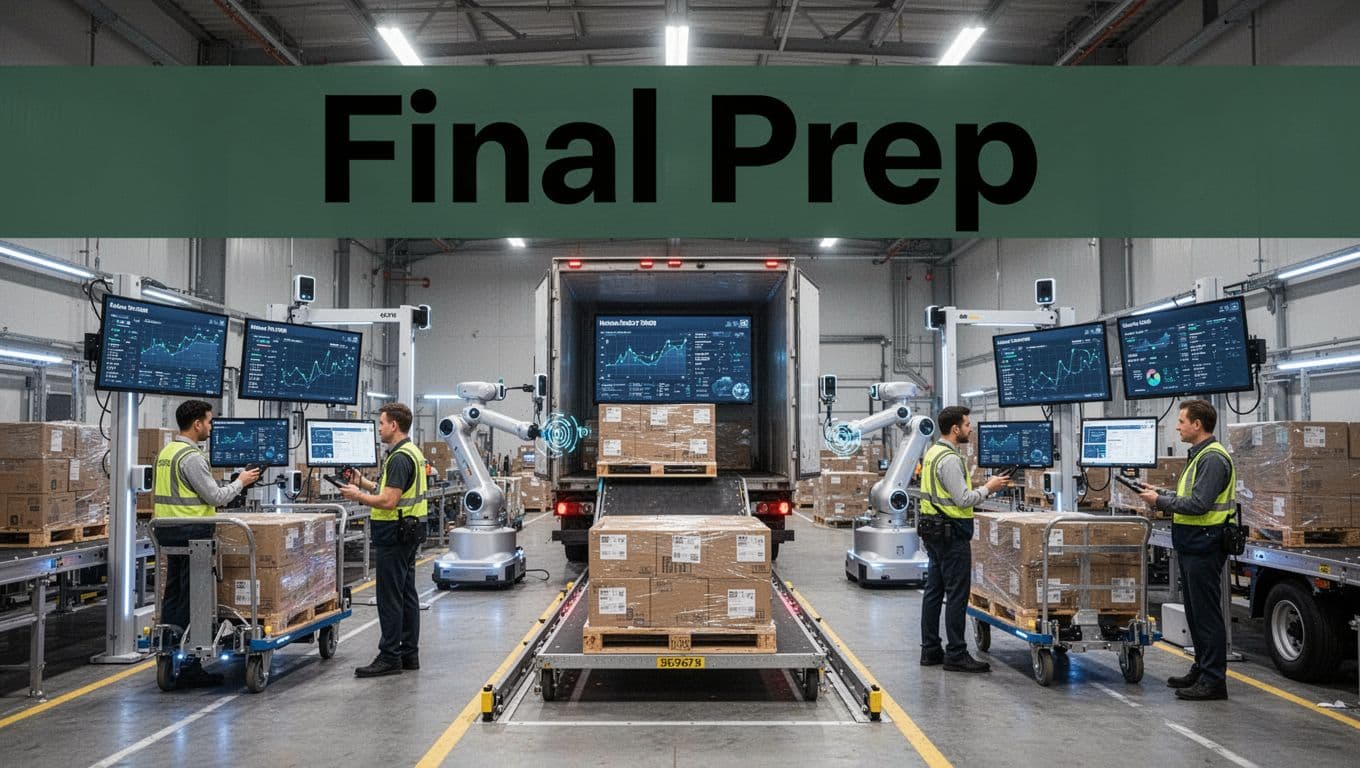
Final prep often includes loading cargo for the next transport step. That might mean loading a truck for local delivery. It might also mean moving freight to a connecting flight. Workers secure loads, confirm weights, and verify shipment identifiers.
In 2026, tech adds more visibility and coordination. Many facilities rely on shared cargo data standards. They also use automated scanning to reduce manual re-keying of shipment details. That can cut errors and speed up handoffs between teams.
Industry groups also push for better standards and shared expectations. In March 2026, IATA highlighted priorities tied to safety, global standards, and digitalization in air cargo operations. You can see the theme in IATA’s March 2026 pressroom update on air cargo priorities. The practical result in facilities is clearer, more consistent handling rules and better data sharing between parties.
Meanwhile, staffing and equipment upgrades help too. As airports add maintenance capacity or expand handling space, cargo operations can recover faster from downtime. The system holds up better when demand spikes.
Final prep also includes checks that feel small but matter. Is the cargo label readable? Are the ULDs assembled correctly? Did the shipment status update on time? These details reduce rework later.
Real-Time Tracking That Keeps Everyone in the Loop
Tracking in 2026 is not limited to one party. Forwarders, warehouse teams, airlines, and sometimes even customers get updates through shared systems.
Facilities use connected tracking ideas such as RFID and smart labels. They may use IoT sensors to monitor conditions for sensitive cargo. They also rely on APIs that sync updates across platforms. As a result, stakeholders can see where the shipment is, what it’s doing, and whether it’s facing a hold.
That visibility helps prevent guesswork. If a shipment stalls, teams can check the reason sooner. If a flight changes, dispatch can adjust more quickly.
It also helps with audits and dispute resolution. When records show the chain of custody and the timing of key events, issues get easier to investigate.
Conclusion: The Airport Cargo Handling Process Is a Chain of Fast Handoffs
A shipment at an airport cargo facility follows a clear pattern: unload, secure, sort and clear customs, store, then move out with final prep and tech support. Even when flights arrive late, good facilities keep the handoffs tight.
If you take one lesson, make it this: the airport cargo facility process runs well when data and cargo match. Clear labels, accurate paperwork, and fast responses to holds reduce friction at every stage.
If you’re shipping, ask your forwarder how they handle documents for customs clearance. If you run operations, treat scanning accuracy and chain-of-custody updates as part of quality control. If you’re just curious, watch for the next time your tracking updates after each station.
What part of the journey sounds the most surprising to you, unloading, security, sorting, customs, or final prep?