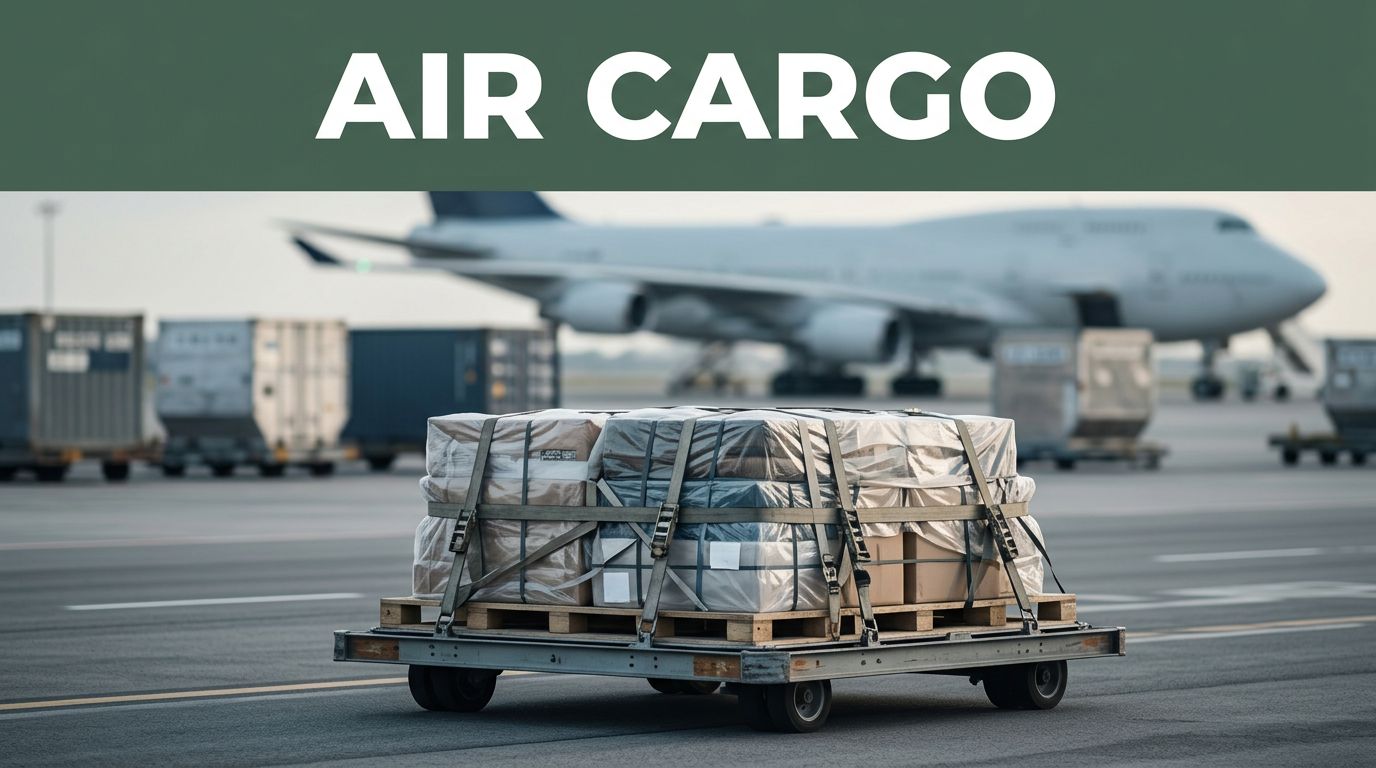
A shipment can miss a flight for simple reasons, like fragile packing, blurry labels, or missing paperwork. Once goods enter air transport, the clock moves fast, handling gets more intense, and rules get stricter. Even small prep gaps can turn into delays, extra scans, or costly returns.
In 2026, the push for cleaner compliance and faster data flow keeps growing. That means better planning before pickup, smarter packing that survives pressure and vibration, and documents that match what’s inside each box.
This guide walks through preparing goods for air transport step by step. You’ll learn what to check first, how to pack for aircraft conditions, how to label and document correctly, and what to expect at U.S. security screening. You’ll also get special guidance for tricky cargo like perishables, pharma, and dangerous goods.
Now, let’s start at the beginning, before you buy space on the plane or close the carton.
Planning Your Shipment: First Steps to Get It Right
Good air cargo prep starts long before a driver arrives. You need a clear picture of what you’re shipping, where it’s going, and what the airline and destination will require.
First, assess the cargo type. Is it general freight, perishable cargo, pharma, high-value goods, fragile items, or dangerous goods (DG)? Then estimate weight and size. Those numbers decide space, costs, and packaging choices.
After that, book early. In peak periods, capacity can tighten fast. Many shippers now book through forwarders or airline systems using e-booking tools. In other words, you stop guessing and start confirming details right away.
Airlines also price shipments using chargeable weight, which can be higher than actual weight. Chargeable weight often uses the shipping volume. So if your product ships in a bulky box, costs can rise even when it weighs less.
Here’s a simple planning flow that works in real life:
- Confirm cargo category (and whether DG rules apply).
- Measure, weigh, and pick a packaging plan.
- Book space with an airline or freight forwarder.
- Prepare advance shipment data (because delays start with missing info).
- Plan for extra time for weather, cutoffs, and customs holds.
Also, don’t treat the “estimate” on a quote as final. Double-check shipper, consignee, and route details. Then, add insurance if the value justifies it.
Finally, for shipments that need special advance filing, follow IATA-style procedures and standards. Many operators align with harmonized guidance like the IATA PLACI approach for advance cargo information filing, especially for later-stage preloading checks. See the PLACI standard procedures.
Choosing the Right Cargo Category
Your cargo category changes the entire prep plan. It affects packaging strength, labeling requirements, documentation, and whether you need trained staff for dangerous goods.
Here’s how categories typically split:
- General goods: Usually straightforward, but still need correct packaging strength and labeling.
- Perishables: Need temperature control planning (cold chain, ventilation, ice packs, or gel packs).
- Pharma: Often needs validated insulation and sometimes extra documentation and handling controls.
- High-value items: Call for tamper resistance and tighter chain-of-custody.
- Fragile items: Need cushioning, bracing, and shock indicators when practical.
- Dangerous goods (DG): Require strict packing rules, correct labels, and DG declarations.
Before you commit, check whether anything is prohibited or restricted for the airline or route. Many “normal” products become DG once they fall into specific chemical or battery categories. Also, certain items can be restricted by destination country rules, not just the airline.
In 2026, DG prep got extra attention because lithium batteries remain the biggest recurring issue in air cargo safety. If your shipment includes lithium-ion batteries, keep these points in mind: batteries packed with equipment generally must be shipped at no more than 30% charge, unless you have special approval. That kind of rule impacts your packing strategy and documentation.
For dangerous goods updates, use the latest version that matches your shipping year and carrier. The safest plan is to check the current DG guidance each season, not once every few years.
Booking and Cost Basics
Booking isn’t only about getting a spot on the flight. It’s about getting the right information into the system so your cargo clears checks without back-and-forth.
When you book, you typically provide:
- Shipper and consignee names, addresses, and contact info
- Pickup and delivery locations
- Cargo description (clear enough to match rules)
- Pieces, dimensions, and weights
- Handling requirements (fragile, temperature-controlled, DG if needed)
- Declared value (for insurance and risk control)
For bigger loads, you may ship on ULDs (unit load devices) or pallets. ULD choice matters. It affects how cargo fits into the aircraft system and how ground handlers move it.
Now let’s talk cost basics. In many air shipments, you’ll see pricing that depends on chargeable weight. That often comes from either actual weight or dimensional weight (volume-based). If you pack something in a large box with lots of padding, you might raise dimensions and push your chargeable weight higher.
So, choose packaging that protects goods without wasting space. Think of packing like a seatbelt. You want the protection, but you don’t want extra bulk that adds cost.
Also, consider timing. Weather can delay flights, and that can affect perishables and time-sensitive pharma. If your shipment depends on “on-time” delivery, build in buffer.
One more thing: insurance and clear documentation help you recover faster if something goes wrong. It’s easier to fix a problem when you can prove what you shipped and how it was prepared.
Packaging Goods to Handle Air Travel Stress
Air transport puts cargo through a mix of stressors. Planes fly fast. Handling happens quickly. Boxes get stacked. Forklifts move. That means your packaging has one job: protect the goods from the journey, not just the warehouse shelf.
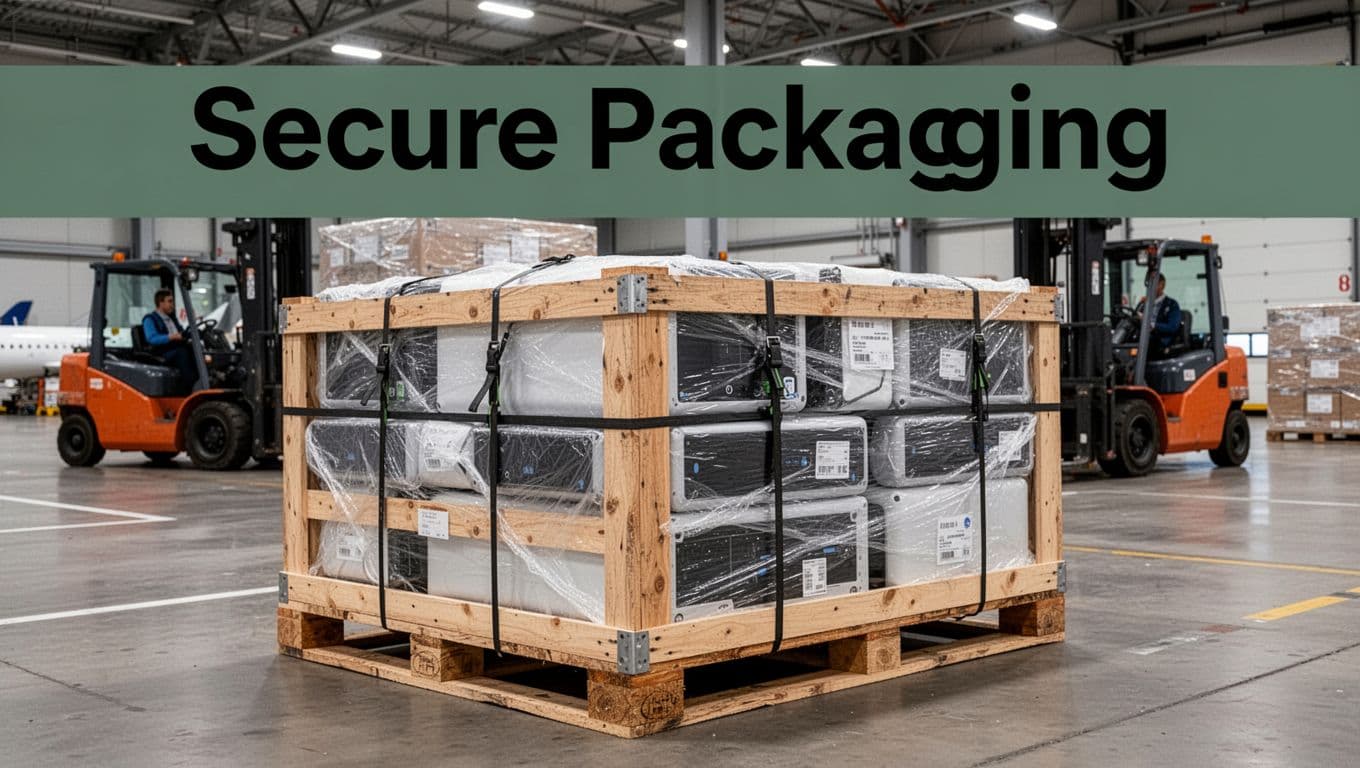
Start with the basics: use sturdy cartons, crates, or air cargo pallets. For fragile items, use cushioning that absorbs impact. For heavier goods, use bracing so the load doesn’t shift.
Then think about aircraft conditions. During loading and unloading, cargo faces bumps. In transit, vibration and movement can loosen items. Also, pressure changes can affect some packaging types, especially if containers trap air or aren’t sealed correctly.
So you want packaging that does three things well:
- Stays rigid under stacking pressure
- Prevents shifting inside the outer box
- Absorbs shock during rough handling
For temperature-sensitive cargo, add insulation and thermal control. Gel packs, dry ice, or phase-change materials can help. Still, you must match the method to the product and the shipping rules. The goal is steady protection, not “any cold pack will do.”
Also, use handling indicators when helpful. Tilt or shock indicators can show if the package faced abuse. That helps with claims and with adjusting your future packing approach.
Here’s a key reality about airport life: the packaging might look perfect during inspection. But it can still get rough treatment after that. So pack as if your box gets stacked higher than expected, moved faster than planned, and loaded in a busy bay.
Best Packaging for Fragile or Perishable Items
Fragile and perishable cargo need extra planning. Think of fragile goods like a glass instrument, even if the product feels tough. A small corner impact can crack a screen, split a lens, or damage seals.
For fragile items, use padding on all sides, not just one layer on the bottom. Then brace the item so it can’t slide. If you can hear movement inside the box, you need better internal fit.
For perishable shipments, you usually need insulation plus airflow control. Some products need ventilation. Others need tighter sealing. That’s why you should follow category-specific guidance, not guess.
IATA publishes detailed guidance for perishable cargo through its Perishable Cargo Regulations (PCR). Even if you work with a forwarder, this helps you understand what “good prep” looks like.
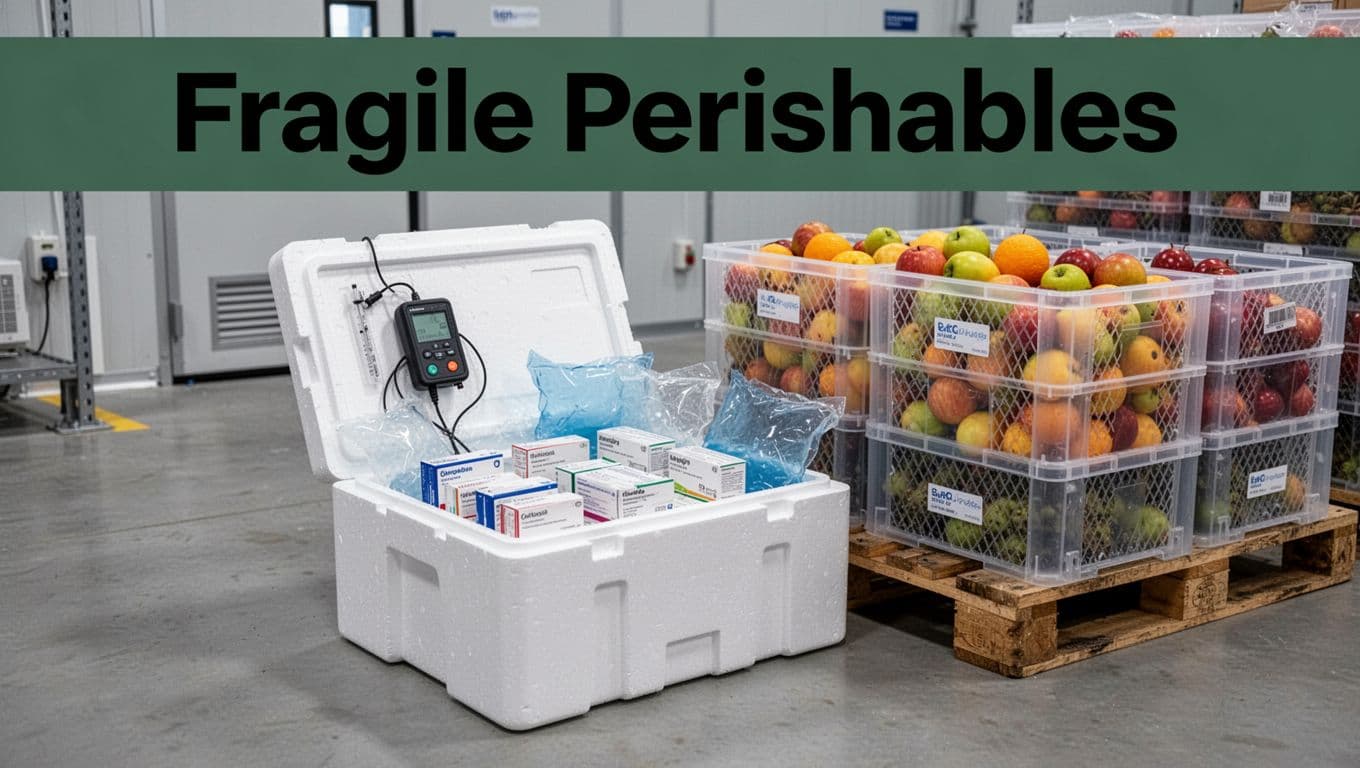
For pharma and food, thermal stability matters. In many setups, companies add:
- Temperature loggers (so you can prove conditions)
- Insulated packaging sized to the product
- Gel packs or phase-change materials sized for the expected transit time
- Reusable crates when supply chains want less waste (a growing 2026 trend)
Also, seal packages properly, but avoid trapping unsafe pressure in sealed containers. When in doubt, test a packing configuration. A small “pilot” shipment can prevent a big loss.
Finally, secure everything for movement. Straps, nets, or stretch wrap can keep pallets stable. Still, don’t cover vents or blocking points meant for airflow or handling.
Labeling and Documents: Your Ticket Past Checkpoints
If packaging is the body armor, labels and documents are the passport. Without them, handlers can’t route your goods correctly, and customs can’t clear them fast.
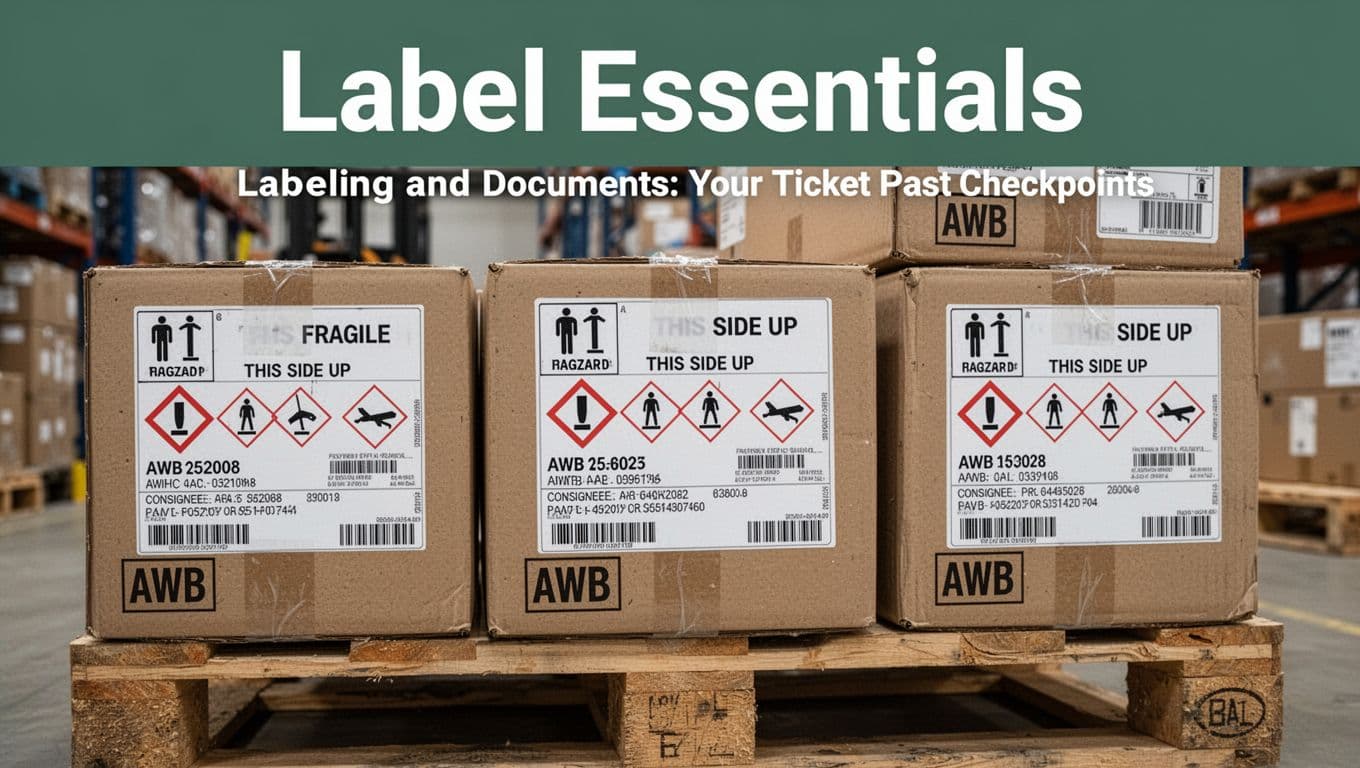
Start with labeling. Each package should show key details:
- Destination and consignee information
- Contents description (clear and accurate)
- Weight and piece count
- Handling icons when needed, like Fragile or This Side Up
- For air shipments, the AWB number (Air Waybill number)
If you ship dangerous goods, you also need hazard labels and correct DG markings. Those labels need to match the DG classification.
Next come the documents. Most air shipments need at least an Air Waybill and commercial paperwork. Common items include:
- Air Waybill (AWB): the contract of carriage and tracking reference
- Commercial Invoice: value and product details, often including HS codes
- Packing List: piece-by-piece details and dimensions
- Any permits, certificates, or special handling forms
- For DG shipments, the correct DG declaration documents
Because paperwork errors can trigger holds, it helps to keep documents consistent across the entire shipment. If the invoice says “Widget A,” the label and packing list can’t say “Widget B.”
Here’s a quick view of what key documents do:
| Document | What it proves | What can cause delays |
|---|---|---|
| Air Waybill (AWB) | Shipment contract and tracking | Missing AWB number, wrong route |
| Commercial Invoice | Value, product, and HS codes | Wrong value or vague description |
| Packing List | Piece count and item details | Mismatch with box labels |
| Certificates/Permits | Compliance for regulated goods | Expired docs or missing approvals |
In 2026, more shipments go digital. The electronic Air Waybill (e-AWB) reduces paper errors and speeds updates between parties. It also makes it easier to correct mistakes early.
For ground handling procedures, you can also align your internal process with the industry’s cargo handling expectations. The IATA Cargo Handling Manual (ICHM) is one good reference point for how shipments get managed once they hit the system.
Must-Have Labels That Prevent Mix-Ups
Clear labels reduce mix-ups. That’s simple, but many shipments fail at this step.
Make sure the label prints cleanly and stays readable through handling. Avoid labels that smear. Use durable label stock. Also, place labels where handlers can see them fast, usually on the largest visible side.
Be careful with description wording. “Parts” isn’t specific enough for most workflows. Instead, describe what the item actually is, using the same phrasing as the invoice.
Also check consistency:
- The AWB number on every label matches the AWB document
- Package count matches the packing list
- Weights match what you declared for booking
- Handling icons match the actual packaging needs
If you ship multiple boxes, number them (Box 1 of 5, for example). That prevents handlers from treating them as separate shipments.
Step-by-Step Document Prep Checklist
Use a checklist so you don’t rely on memory. Here’s a practical prep list that works for most air shipments:
- Confirm shipper and consignee details: names, addresses, phones, and emails.
- Match AWB details: route, flight info if required, and piece counts.
- Prepare the commercial invoice: include value, currency, HS codes, and a clear product description.
- Create a packing list: list each package, weight, and dimensions.
- Add special documents for regulated cargo: permits, certificates, or cold chain paperwork.
- For DG, prepare DG declarations: correct forms and supporting info.
- Review for consistency: wording, weights, and numbers must match everywhere.
Now watch for common mistakes:
- Descriptions that don’t match between invoice and label
- Incorrect or missing HS codes
- Box labels that show one weight, but documents declare another
- Handwritten edits that aren’t supported by updated documents
Small mismatches can trigger manual checks. Those checks add time, and time is expensive in air shipping.
Security Screening and Safe Handling Procedures
Once the shipment leaves your control, it enters a security and handling routine. In the U.S., the key change in recent months involves advance cargo data checks through programs like ACAS.
For March 2026, the big theme is more detailed preloading information sent to U.S. Customs and Border Protection before cargo gets loaded. CBP introduced new requirements that expanded the information shippers and handlers must submit. Enforcement phased in over time, so companies have had a chance to adjust, but the direction is clear: incomplete or late data increases scrutiny.
So what does “safe handling” mean in practice?
First, your shipment must get picked up, then moved to an airport warehouse. It goes through screenings like X-ray and other checks. In some cases, security teams use trained detection methods as well.
Next comes chain-of-custody. Carriers and warehouses must track where the shipment sits and who handles it. If the process has gaps, screening and clearance can slow down.
Then handling starts. Forklifts and conveyors move boxes. That’s why packaging needs to handle real warehouse movement. If the load isn’t secure, it can shift and get damaged. If it isn’t stable, handlers may slow down or re-handle it.
Also, for temperature-monitored cargo, teams may check or record package conditions. Some facilities monitor temperature as packages travel through sections.
A simple best practice ties it together: use real-time tracking when possible. In 2026, more systems share updates faster between forwarders, warehouses, and airlines. That helps you respond quickly if a scan shows an issue.
Special Rules for Tricky Cargo and Prohibited Items
Some cargo types need extra rules. The biggest categories are dangerous goods, lithium batteries, pharma and perishables, and high-value items.
Start with DG and lithium batteries. 2026 rules continue to focus on how lithium batteries are packed, charged, and labeled. If you’re shipping lithium batteries, treat packaging like compliance equipment. A sloppy pack can create safety risks and can trigger delays.
Next, consider perishables and pharma. Cold chain requirements often connect to documentation and handling steps. Even if the packing looks right, missing certificates or incorrect temperature plan can cause problems.
High-value goods need added care. Tamper resistance and secure packaging reduce risk during transfers. Many forwarders also apply extra controls, like sealed containers and documented handoffs.
Finally, be aware that “prohibited” can mean different things by airline and route. Some items that seem harmless may be restricted due to how they behave in air transport or due to destination limits. So you need to confirm before you pack.
Also note the penalties side. Non-compliance can lead to fines and missed flights. In some situations, cargo may be refused for carriage or held for inspection until documents match.
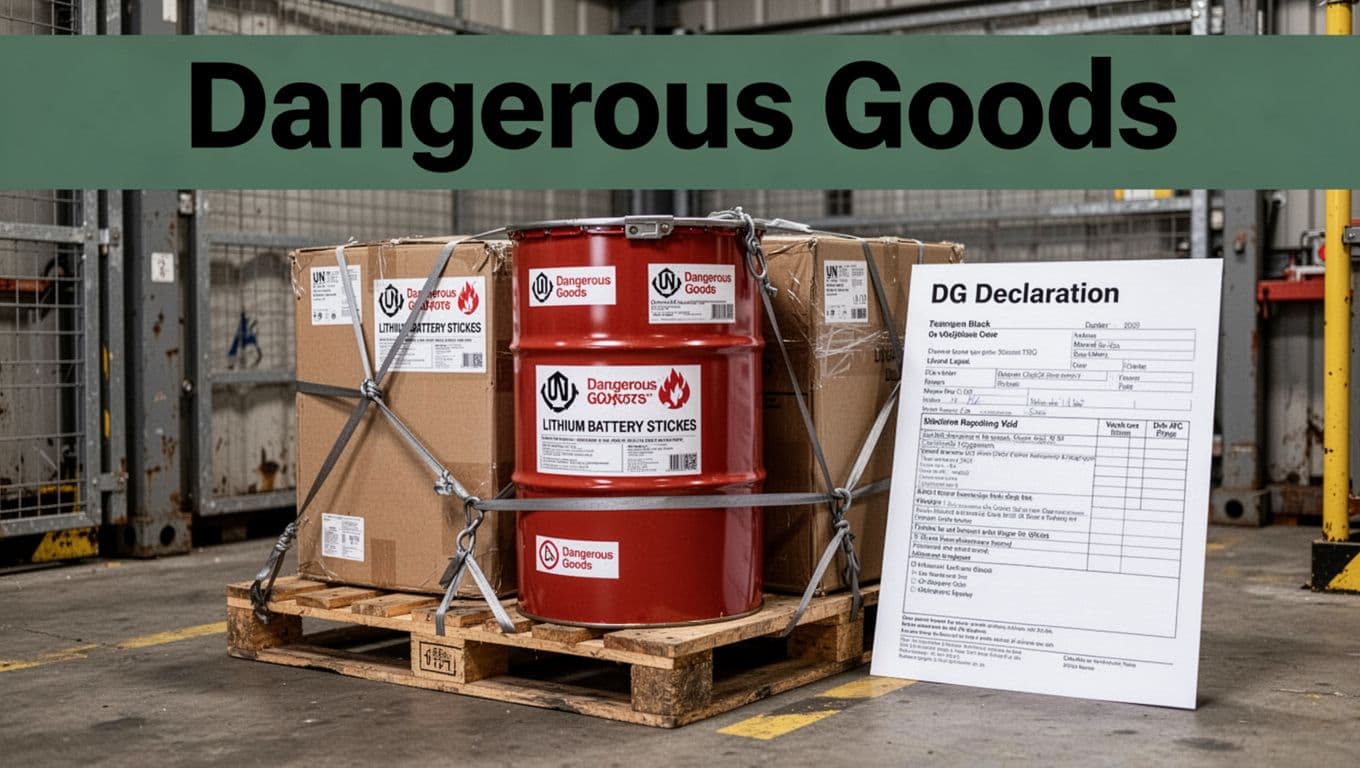
Navigating Dangerous Goods Regulations
Dangerous goods prep needs strict steps. It’s not only about correct labels. It’s about correct classification, packaging, and declarations.
For many DG shipments, the workflow looks like this:
- Identify the UN number and proper shipping name
- Pick the right packaging that meets the DG standard
- Apply correct hazard labels and markings
- Complete DG documentation and declarations
- Confirm the airline accepts the category and configuration
When you’re unsure, don’t wing it. Use training and professional help. Many errors happen when people confuse “battery-related items” with “safe-to-ship as general cargo.”
For the rules themselves, rely on the current IATA Dangerous Goods Regulations. You can access the latest at the IATA Store for DGR. Your carrier may also have its own operator requirements, so always check what applies to your airline.
If you ship DG, the bottom line is consistency. The description on documents, the markings on the package, and the actual packing need to align. When they do, cargo moves. When they don’t, cargo gets paused for review.
Conclusion
Preparing goods for air transport comes down to a clear sequence: plan, pack, label, document, then secure and follow special rules. Once you handle each part with care, you reduce the chances of delays and rework.
If you take one idea from this, make it the value of starting early. Booking, packaging, and paperwork all move at different speeds. When you start early, you have time to fix mistakes before they become holds.
Want to make your next shipment smoother? Share what tends to break down in your process, then tighten that step first. Or contact a forwarder for a quick review. In 2026, good prep is still what keeps air transport fast and reliable.