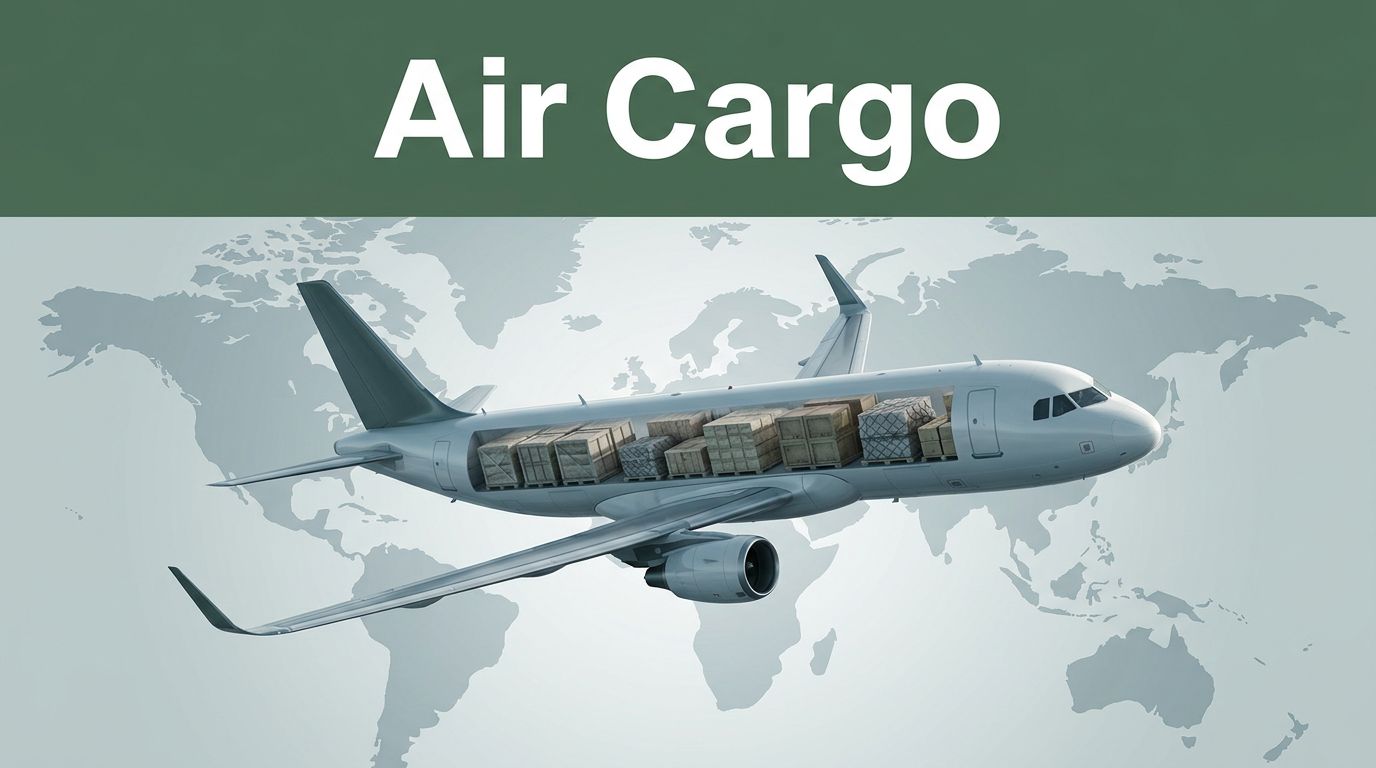
Air freight handles over $8 trillion in goods each year. That’s not a random number, either, because air cargo accounts for about 33% of world trade by value. When a shipment is time-sensitive or hard to replace, air transported goods can be the difference between “late” and “sold out.”
So what are the types of goods transported by air in real life? In simple terms, planes move products that either spoil fast, break easily, or cost a lot to wait on. And yes, air cargo often helps keep valuables safer during transit.
Next, let’s start with why air beats slower options for many shippers, even when the price is higher.
Why Air Wins for Speed and Value
Air cargo is built for urgency. It’s the shipping equivalent of taking the fastest route to the hospital, not the scenic one. Because of that, you’ll often see air used when timing affects profit, health, or product quality.
The second big reason is value protection. Even when a shipment isn’t fragile, it might be too expensive to risk. That’s why carriers sort, secure, and track many high-value loads more tightly than other modes. If you want a clear look at the cargo types airlines and freight operators handle, see IATA’s guide to cargo types shipped by air.
In practice, the “speed and value” combo shows up in two common scenarios. First, certain goods must arrive in hours, not weeks. Second, some items need extra care because replacing them would hurt.
Delivering in Hours, Not Weeks
Some shipments don’t wait well. Food can spoil. Medicine can expire. Parts for a factory can delay an entire production line.
Fresh seafood is a good example. When a company ships fish by ocean, it can take too long for peak quality. By air, the product can leave at the right time and reach buyers while it still tastes fresh.
Emergency medical supplies also fit here. If a hospital needs specific meds fast, air transport helps meet urgent demand. Even when a shipment isn’t medical, the idea stays the same: if a delay turns a sale into a loss, air becomes a smart option.
Meanwhile, retail timelines matter too. Brands often launch products in tight windows. When inventory misses the window, marketing plans stall and demand drops. Air helps keep those schedules on track.
If you’re comparing how air cargo differs from other modes, it helps to understand the general versus special cargo idea. Maersk breaks down how different cargo needs different handling, which affects when air makes sense. For background, read how air cargo types differ.
Protecting Priceless Cargo
Speed matters, but safety matters too. High-value cargo often attracts theft and mishandling risk. Air freight reduces some of those risks because the journey tends to be shorter, and many shipments move under tighter control.
Electronics, high-end components, and luxury goods can be a perfect match. They’re not always fragile, but they’re expensive. In other words, “damage” is not the only concern. “Replacement cost” is the bigger concern.
This is also where careful packaging, sealing, and documentation matter. Special cargo often requires specific labels, records, and handling steps. Even when a product is simple, like a box of consumer goods, carriers can still reduce uncertainty with tracking and standardized processes.
Here’s the takeaway for choosing air: if the product loses value quickly, or the cost of failure is high, air usually earns its place.
Bottom line: Air makes the most sense when delay costs money or quality, not just when shipping is faster.
Everyday Goods That Fill Air Cargo Planes
Not every air shipment is “mystery cargo.” Many loads are common goods you’d recognize at home. Still, they share a theme: they need fast movement, strong security, or special handling.
This is where air cargo categories get interesting. You’ll generally see three big groups: general cargo, perishables, and special cargo. Each group has a clear reason it flies.
Electronics, Clothes, and Retail Staples
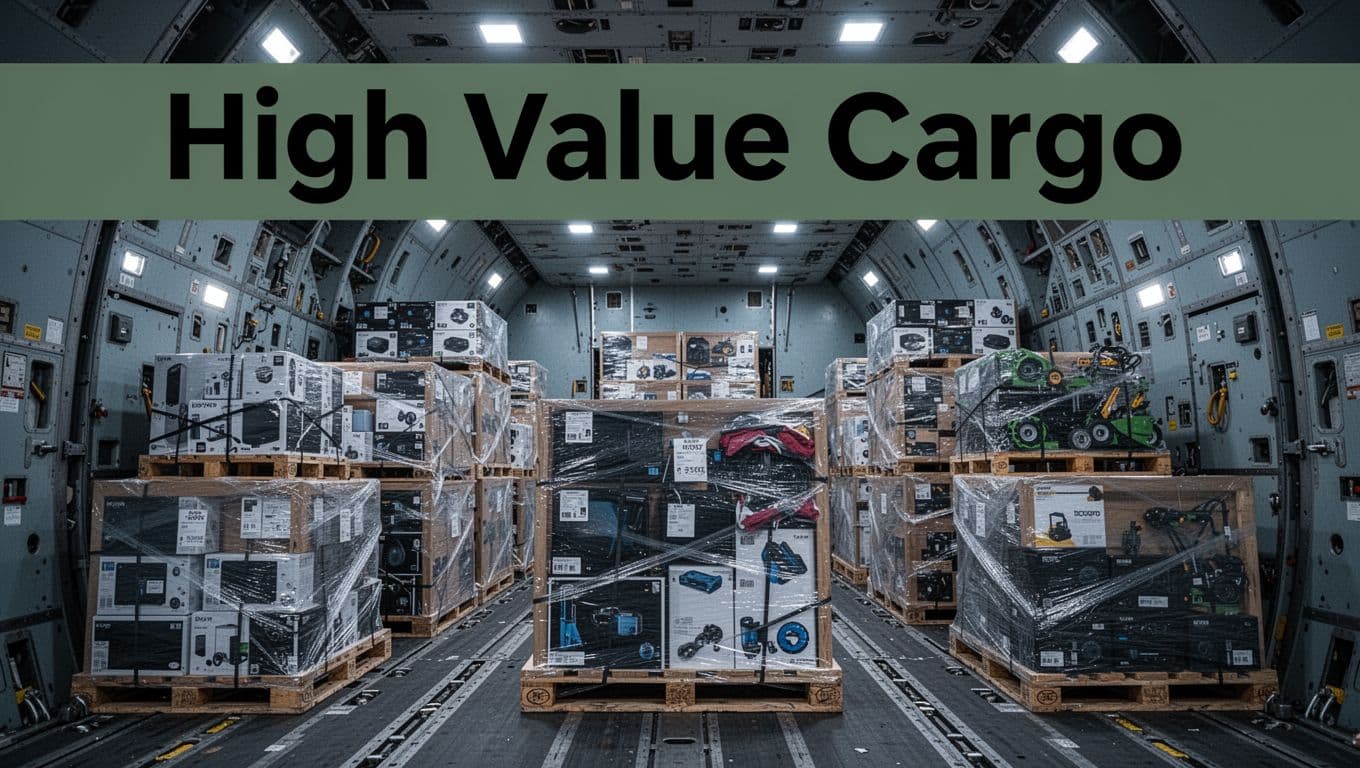
General air cargo covers everyday items, plus lots of products businesses rely on. You’ll often see electronics parts, machinery components, hardware, and retail supplies moving by air. Clothing and other consumer goods also show up, especially when companies need quick replenishment.
Why does air work here? It comes down to high value per box and short delivery windows. Many electronics and retail items are expensive, and demand changes fast. If a shipment arrives late, it may miss peak selling time.
Also, air cargo supports the way modern supply chains run. Factories use “just-in-time” planning. That means missing a delivery can shut down production. When parts move by air, companies can reduce that downtime risk.
Picture a factory line waiting on a shipment of replacement parts. If the parts arrive in time, the line keeps moving. If they don’t, the factory starts losing money fast.
Even though you hear “electronics” a lot, air cargo can include more than finished devices. Think of it like the supporting cast: components, tools, connectors, and packaging for retail distribution.
If you want a practical look at common air cargo types, Inbound Logistics’ guide to transporting goods by plane gives a helpful breakdown of what tends to move and why.
Fresh Produce, Flowers, and Seafood
Perishables are one of the easiest air cargo groups to understand. These goods spoil fast. When they spoil, they don’t just “get worse,” they can lose almost all usable value.
Fresh fruit is a classic example. Some items need tight temperature control during travel. Others bruise easily. Air helps reduce the time spent in transit, so quality stays higher.
Flowers and cut plants also fit this category. Certain blooms must arrive quickly or they wilt. That’s why you’ll see air shipments moving flowers from farms to markets fast, especially when timing affects events like holidays and weddings.
Seafood works the same way. Fish quality depends on temperature and time. Air travel can help keep product freshness while it reaches buyers sooner.
Perishables are also sensitive to packaging and airflow. Carriers often use specialized containers, insulation, and temperature planning. In other words, it’s not only speed. It’s the right setup.
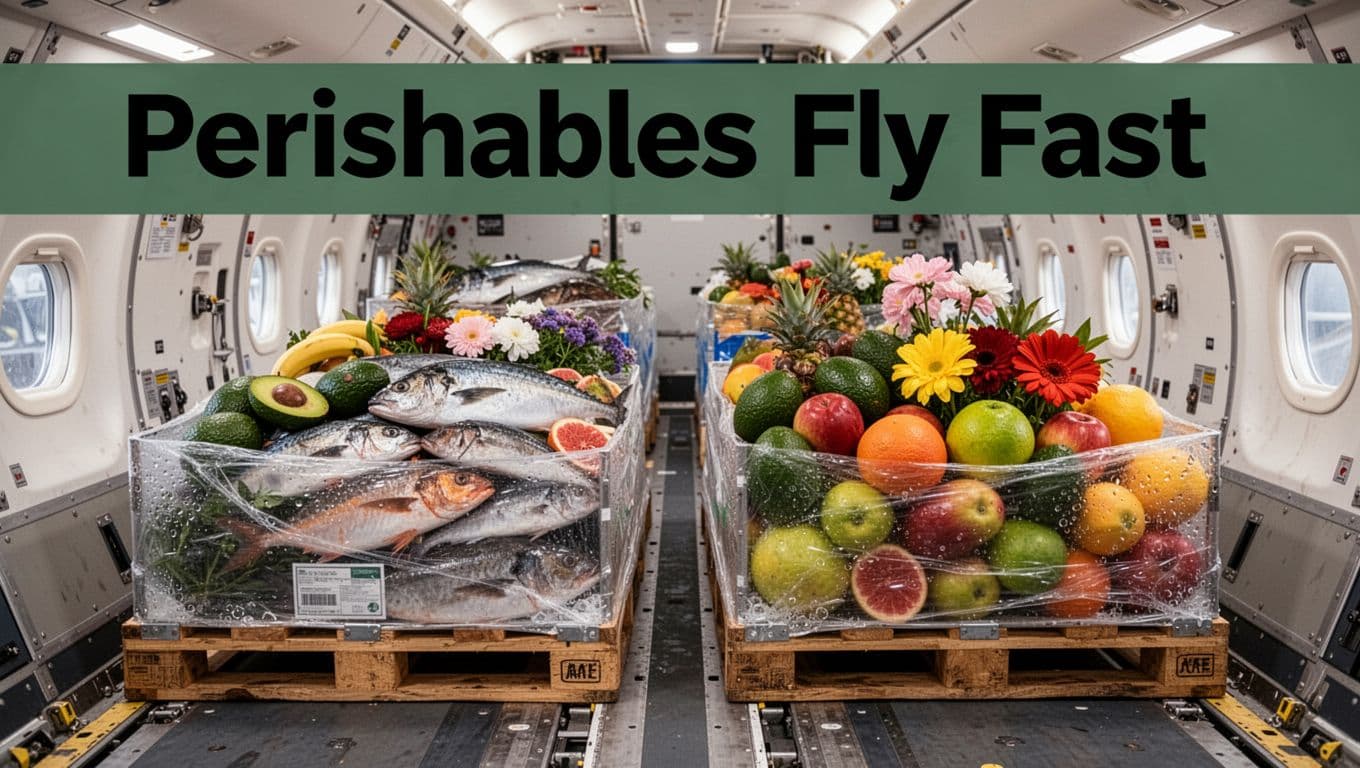
To picture what “special handling” looks like inside the cargo hold, the image below shows how produce and temperature-controlled packaging can be loaded onto pallets.
Pharma, Live Animals, and Tricky Items
Special cargo is where air transport becomes more than “faster delivery.” It requires rules, documents, packaging, and handling steps designed for risk.
Pharmaceuticals and medical supplies are the most discussed example. Many products need careful temperature control. Vaccines and certain medicines rely on cold chain methods, so the cargo can’t just sit and wait.
Live animals also move by air, though they require careful planning. Companies coordinate animal welfare needs, airflow, temperature, and the timing of connections.
Then there are “tricky items.” These include fragile goods that need extra protection, plus shipments that require extra documentation. Some may fall into hazardous categories, which means they need correct labeling and packaging to comply with safety rules.
For a clear sense of how airlines think about cargo requirements, see Air Cargo 101 for special handling needs. It’s a useful primer on why some shipments need extra steps.
Here’s the key point: the best air shipments are not only valuable. They’re planned. If you ship pharma or live animals, you’re not just buying speed. You’re buying the right handling system.

If you’re learning this for shipping decisions, it helps to use a simple mental model. Ask: What breaks first, the product or the schedule? If the schedule breaks first, air is often the solution.
Hot Trends Driving Air Cargo in 2026
Air cargo demand is shifting, not vanishing. In fact, the industry is still moving lots of valuable and time-sensitive goods. But growth isn’t as explosive as it was in the peak period after COVID. Now it’s more focused.
For 2026, global air cargo is expected to grow about 2.6%. That’s slower than 2025’s growth rate. Still, demand remains steady for goods that need quick delivery, like pharma, electronics, and perishables.
Also, the most recent early-2026 data showed strength. IATA reported air cargo demand up 5.6% in January 2026. That kind of momentum matters, because airlines and freight networks plan capacity based on these signals. You can see the update in IATA’s release on January 2026 demand.
At the same time, higher costs and tighter schedules change how companies ship. Many shippers want predictable transit times. They also want fewer surprises in tracking.
In short, the “types of goods” story is still the main story. What changes is how often businesses need them, and how they package and plan shipments.
E-Commerce Boom Fuels More Flights
E-commerce changes shipping behavior. Buyers expect quick delivery, and sellers want fewer stockouts. As a result, companies often split larger shipments into smaller, faster moves.
This doesn’t mean every single parcel flies on a plane. Many packages travel in passenger aircraft bellies or through air-linked express systems. However, the pressure still pushes demand toward air cargo, especially for time-sensitive items.
Think about the products people buy online. Replacement items, seasonal goods, and tech accessories often have strict delivery expectations. If someone orders a gadget, they want it fast. If it’s late, the refund and customer service cost can outweigh the shipping cost.
That’s why you keep seeing electronics and retail staples listed among the most common air cargo categories. Air helps companies match customer expectations with supply chain reality.
Pharma and Cold Chain Take Center Stage
Pharma remains a major reason air cargo stays strong. It also highlights why “special handling” matters. Many medical shipments cannot move like regular freight.
Cold chain needs make planning hard. Temperatures must stay within strict ranges. Packaging must work. Timing must be right.
Pharma also tends to keep value high even when volumes shift. So, even if the overall market grows slower in 2026, pharma can still drive demand because the cargo needs air’s specific strengths.
In addition, industry reporting around special cargo shows how perishables and healthcare often move together in planning. For example, insights shared at industry events highlight that food and perishables make up a major share of volume by weight, while healthcare and pharma remain key due to handling needs and value patterns.
If you’re shipping pharma or need to understand the broader air cargo categories, DHL’s shipper guide to air cargo types is a practical reference point for general vs special cargo distinctions.
Conclusion: When Air Transport Makes the Most Sense
Air cargo moves more than “fancy goods.” It moves products that can’t wait, or can’t afford risk. When you think about the types of goods transported by air, you quickly see the same themes: speed, value, and safe handling.
Electronics and retail staples often fly because they stay valuable and time-sensitive. Perishables fly because freshness depends on transit time. Pharma and other special cargo fly because the rules for safe shipping are strict.
Next time you spot an urgent delivery promise, remember the bigger picture behind it. Air freight supports that promise at massive scale, moving over $8 trillion in goods each year. If you’re planning your next urgent shipment, choose air transported goods when delay or loss would hurt most.