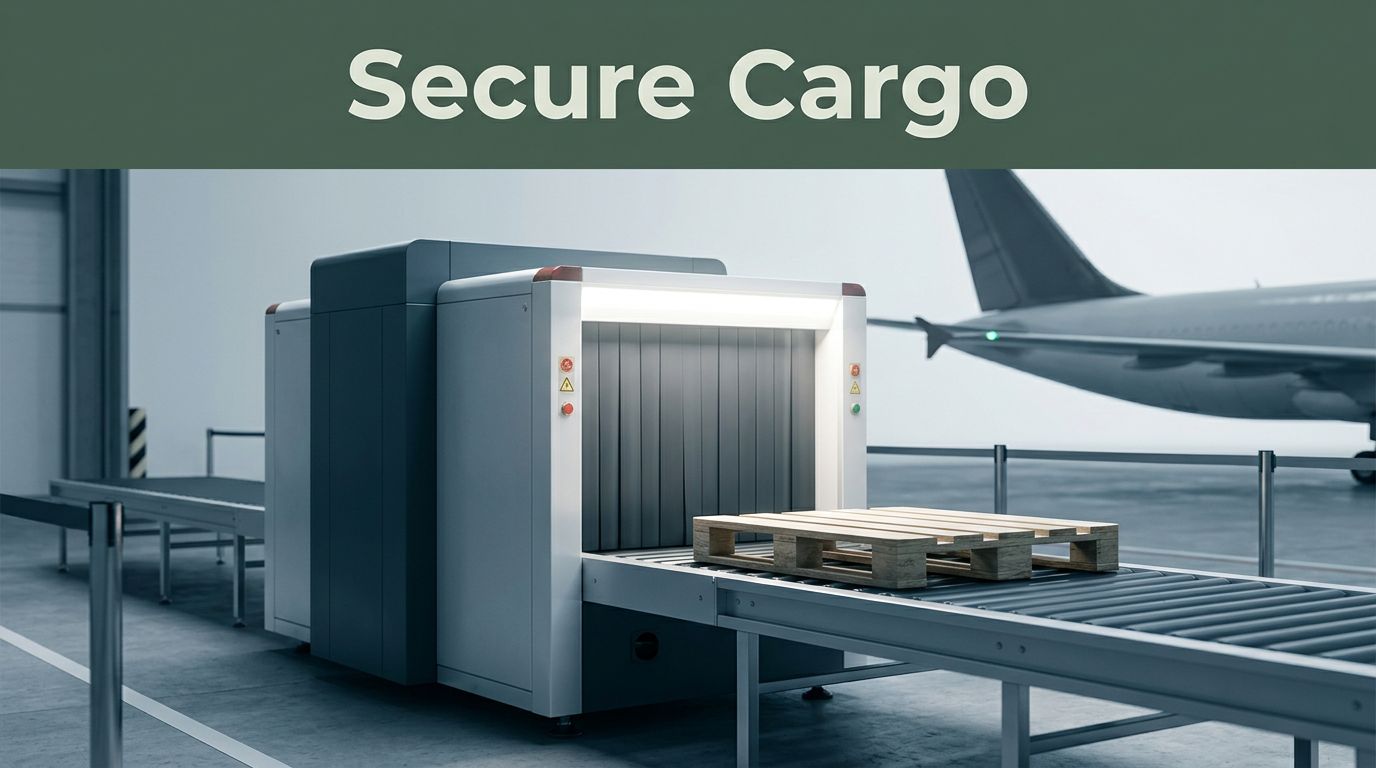
Cargo theft can happen fast. One missing pallet at the wrong time can turn into hours of delay, insurance claims, and real risk. That’s why air cargo security checks focus on one simple idea: stop problems early, then keep shipments protected all the way to the aircraft.
If you ship freight, receive shipments, or work in logistics, you’ve probably wondered how screening works in practice. Who verifies the sender? What gets scanned or opened? And what happens when something looks off?
The short answer is a layered process. First comes shipper and carrier verification, then 100% screening of the cargo itself, and finally tight seals and record-keeping. Next, you’ll get an easy, step-by-step breakdown of how it’s done, with what to expect and why it matters in 2026.
First Line of Defense: Checking Shippers and Carriers
Ever wonder who can ship on planes? In most systems, not just anyone can move goods onto passenger aircraft. Before cargo even reaches a screening bay, the supply chain has to prove it can be trusted.
This starts with chain-of-custody. Think of it like a relay race, where each handoff gets recorded. If someone can’t be verified, the process slows down on purpose. That friction helps stop threats before they get close to checked-in cargo and aircraft loading.
A big part of today’s air cargo security is the idea of a VIP list. If your company is approved, you move through a smoother path. If you are not approved, you face extra checks and more scrutiny. In 2026, theft trends and fraud patterns have pushed many programs to pay closer attention to access, background, and documentation, even when the core rules stay the same.
One of the most common tools behind this approach is TSA’s air cargo program work, which supports screening 100% of cargo transported on passenger aircraft through certified channels. You can see the basics on the TSA cargo screening program page.
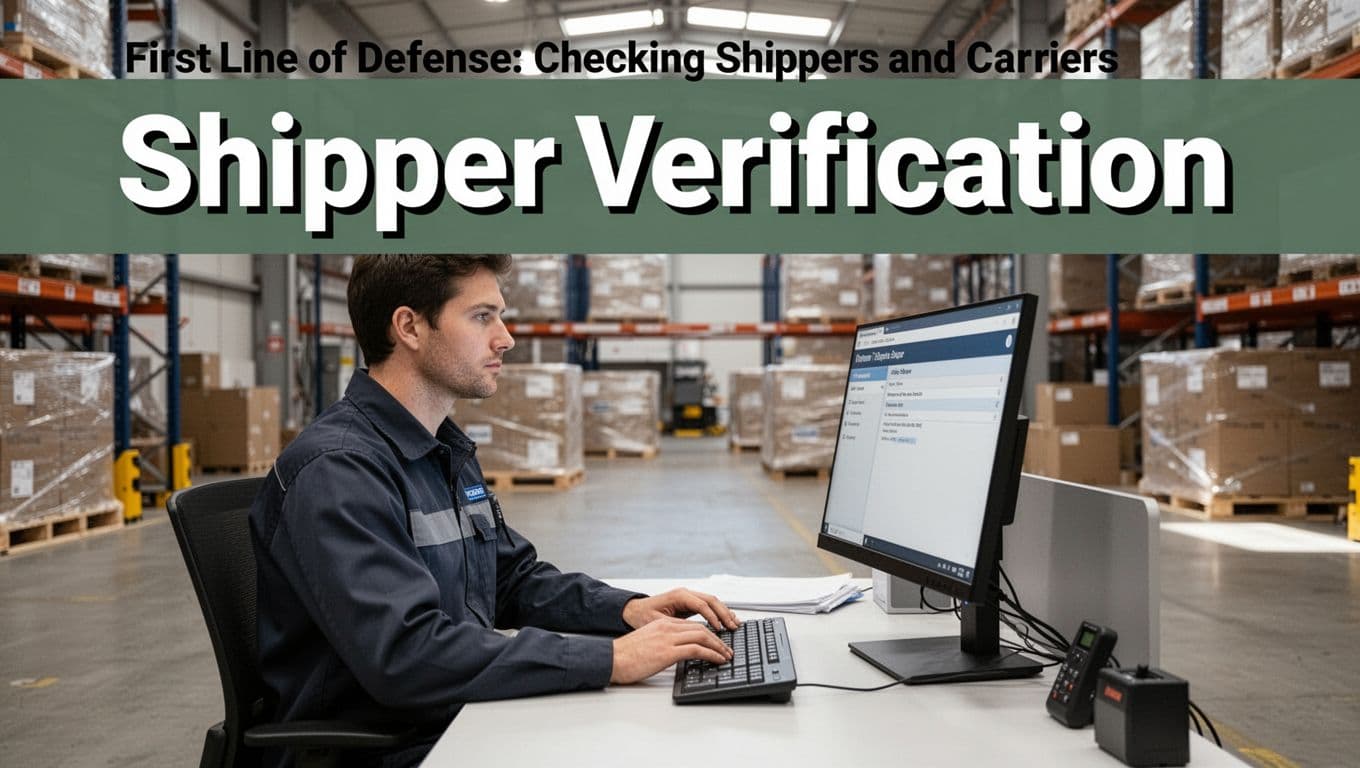
So how do facilities decide who gets trusted? They verify shippers, confirm carriers, and require approved parties to maintain control from pickup to screening.
How the Known Shipper Database Works
For known shipper programs, the question is simple: does the shipper meet the requirements? Facilities check the sender’s status before they accept cargo for passenger-aircraft movement.
Here’s what the process looks like in plain terms:
- A facility receives a shipment and confirms the shipper’s approval status.
- If the shipper is approved, the cargo enters the approved screening flow.
- If the shipper is not approved, additional inspection steps usually follow.
This verification matters because the system treats screened cargo like it has a protected “paper trail.” When a shipment begins with a verified party, security teams can focus on the cargo itself.
Also, 100% screening is treated as the hard requirement. In practice, that means cargo has to move through a screening method that fits regulatory expectations, including cases where cargo is screened at certified facilities.
If you want a helpful overview of the 100% screening requirement and how it took effect, TIACA summarizes the TSA rule history and what it means for affected parties in the TSA 100% screening requirements in effect article.
Sticking to Approved Carriers Only
Shippers are only half the story. Carriers and other parties that touch cargo also have to meet requirements, especially when they act as intermediaries.
In the US framework, the Indirect Air Carrier (IAC) program supports this by setting security expectations for certain non-airline parties involved in moving cargo. The idea is to keep cargo in trusted hands during key handoffs, not just at the final airport screen.
For example, a facility may require that an approved indirect carrier handles pickup, transport, and tendering. If a company uses an unapproved channel, the shipment may need extra inspections or may not enter the same streamlined path.
This matters because most tampering and substitution risks show up during handoffs. When only approved carriers can move freight into the next step, it reduces the number of unknown points where a shipment could be opened, swapped, or resealed.
And that’s the core theme: early verification reduces downstream risk.
Screening the Goods: Tech and Hands-On Methods Revealed
Once the paperwork and custody chain look right, the cargo still must pass the screening requirement. This is where the system turns into “see it, test it, document it.”
In most US air cargo workflows for passenger aircraft, screening is designed to find threats without relying on guesses. If something looks suspicious on a scan, staff switch to hands-on checks.
The main screening approaches often include:
- X-ray scanning for quick review of the contents.
- CT scanning for more detailed 3D views when needed.
- Physical inspections when alarms or indicators show unusual risk.
Cargo type also affects how it’s handled. Dense electronics, tightly packed batteries, or odd shapes can all look different on scans. Documents and small parcels may go through different packing and handling steps than larger palletized loads.
TSA’s certified screening program also supports how cargo gets screened and moved into the supply chain. If you want the concrete regulatory framing, the TSA Air Cargo Security Certified Cargo Screening Program fact sheet is a strong starting point.
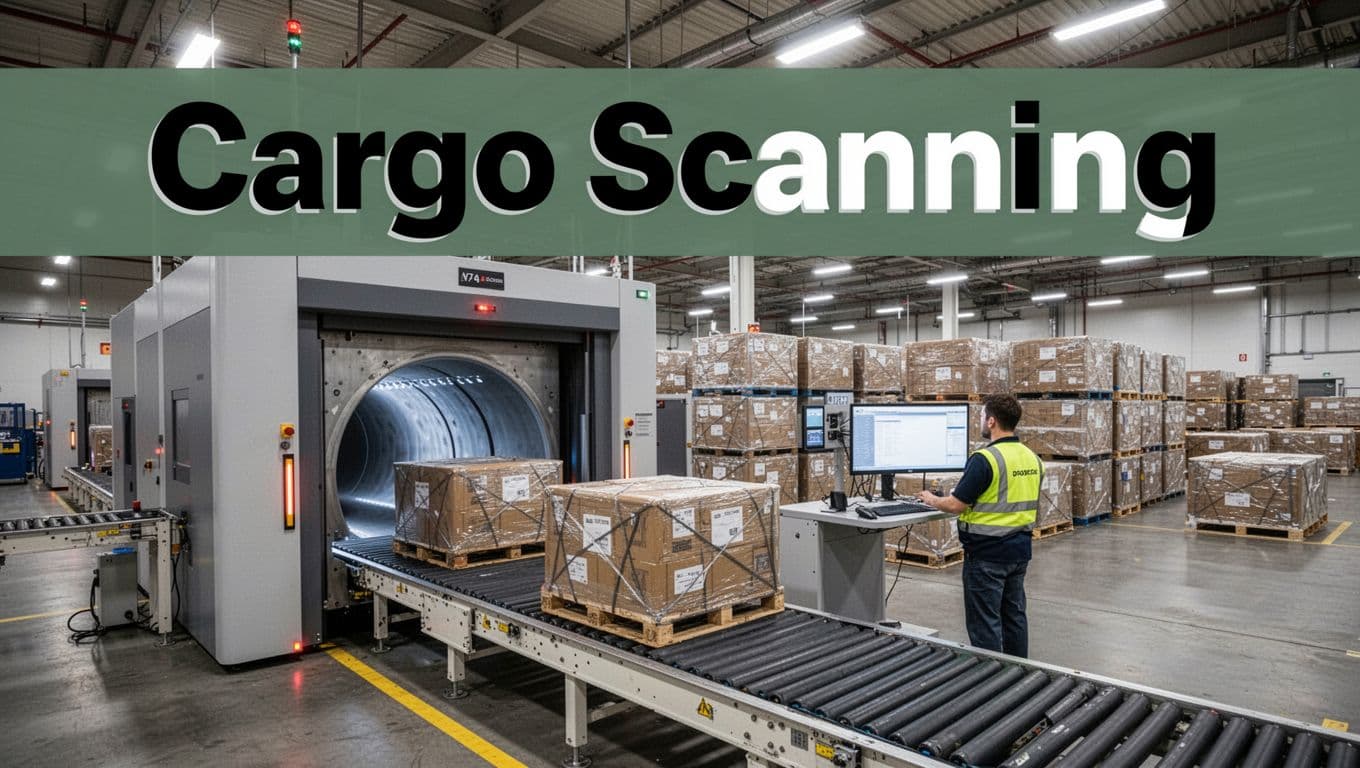
After scanning, the shipment doesn’t just get “cleared.” Instead, staff record what happened and keep the custody chain intact for the next handoff.
X-ray Machines and CT Scanners in Action
How can a scanner spot threats without opening every box? X-ray and CT systems help by using how objects absorb radiation.
With X-ray, operators review images that show density differences. Dense items tend to stand out, and packaging patterns can also raise flags. The process is fast, which helps keep cargo flow steady.
With CT scanners, the goal shifts to more detailed viewing. CT systems create 3D slices, so staff can understand what sits inside a container more clearly. When they use automated detection support, the system can highlight areas that need closer review.
In 2026, many facilities keep investing in scanner performance, including better image interpretation. That matters because the system has to work across many kinds of packaging and cargo. Even small differences in wrapping can change how items appear on scans.
Here’s the practical takeaway: scanners help staff find odd density clusters quickly, so they can decide whether the cargo can move on or needs a physical exam.
When Workers Open and Inspect by Hand
Sometimes scans are clear. Other times, the system flags a concern. When that happens, staff do more than glance at an image.
Hand inspection typically means trained staff open the shipment according to security procedures, then check what they find. They also document the outcome. This record matters because it supports chain-of-custody and helps explain decisions later.
What triggers a physical exam? Often, it’s something like:
- an image showing an unusual shape or density pattern
- packaging that looks inconsistent with the declared contents
- items that appear to be in a form not expected for the shipment type
Also, timing matters. Staff don’t “randomly open” cargo, because unnecessary openings add risk. They open when the scan results or indicators justify it.
That’s why training and process control are so important. A well-trained worker knows how to inspect while keeping the shipment secure.
What Happens Next: Alarms, Seals, and Record-Keeping
After screening, the cargo enters a protected zone where tampering can’t be ignored. Scanning might find a concern, but the real work is making sure nothing changes after clearance.
That’s where alarms, seals, and record-keeping come in. If an alarm occurs, staff don’t just wave the shipment through. They investigate, log results, and follow required reporting paths if needed.
Then comes packaging control. Shipments typically use tamper-evident packaging and security seals. The seal acts like a tripwire. If the seal shows signs of breaking, the cargo’s security state can’t be assumed.
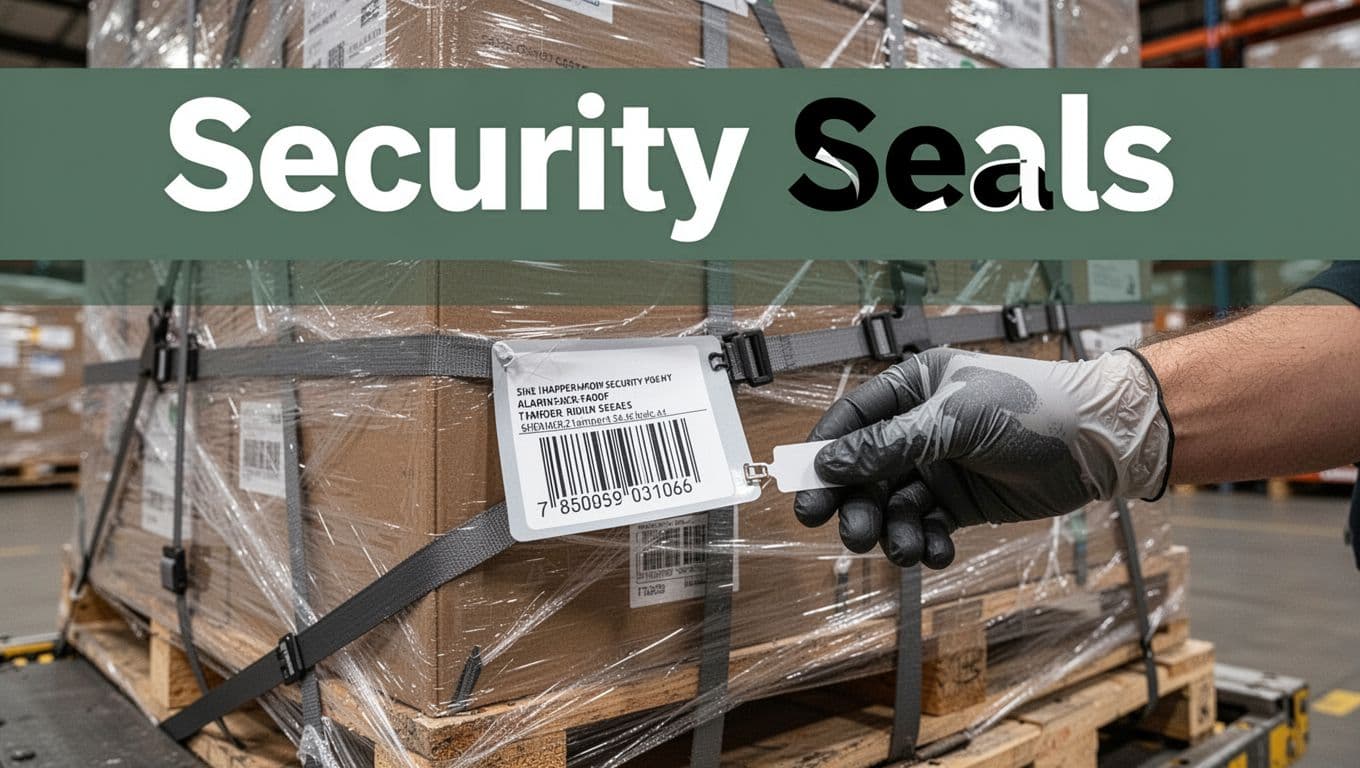
Finally, records support accountability. Facilities keep logs tied to shipments, including screening outcomes and inspection notes. In many programs, you also see audits and ongoing checks, especially as theft trends push compliance teams to verify systems stay tight.
In 2026, this part can feel extra intense because higher theft pressure increases the cost of sloppy handoffs. Audits and reviews help catch weak points before they turn into incidents.
Resolving Alarms Without Delays
When a machine flags something, the goal is resolution, not confusion. Most alarm workflows follow a controlled path.
A simple version looks like this:
- The system flags the item and staff stop the shipment for review.
- A trained worker checks the cargo consistent with procedures.
- Staff document what they found, including whether it’s cleared or requires escalation.
- If needed, they report the concern through the required channels and hold the shipment until resolved.
This is how security teams reduce delays. They act fast, but they also act in order.
For example, if a scan shows a dense package that doesn’t match typical packing patterns, staff may examine it and confirm it’s a safe configuration. If something doesn’t match expectations, escalation happens quickly.
The key is that every decision gets a paper trail.
Tamper-Proof Seals That Scream ‘Don’t Touch’
A tamper-evident seal is built to show interference. After screening, cargo moves toward aircraft loading, and it can pass through different areas and personnel. Seals help everyone trust the shipment state.
Seals work best when they cover high-risk access points, like doors, straps, or the sealing points on a unit. If someone cuts, removes, or reattaches a seal, the evidence should be visible.
Workers also keep track of seal status in records. That way, if a customer or next party receives the cargo with a broken seal, they don’t have to guess what happened. They know the security state changed.
In other words, seals act like a physical receipt. They don’t replace scanning. They protect the shipment after screening, when the risk shifts from “what’s inside” to “what changed.”
The Rules Driving It All: TSA, ICAO, and 2026 Updates
Security checks aren’t just a local airport choice. They follow shared standards, plus US-specific regulations for who can do what.
At the federal level, parts of the TSA program include rules for how indirect air carriers operate and how they adopt security programs. You can read the regulation text in 49 CFR Part 1548, which covers Indirect Air Carrier Security.
Beyond the US, global standards matter too, since air cargo often moves across borders. ICAO sets broader aviation security expectations, including for air cargo and mail. Here’s ICAO guidance on air cargo and mail security, which provides a useful framework for what governments aim to implement.
Then you have other compliance areas that can affect freight handling, like hazmat rules from the FAA. For many shipments, the “security box” and “hazmat compliance” box get checked together. That’s because unsafe materials can create real harm, even when no one is trying to attack anything.
So what’s changing in 2026? Theft pressure and fraud tactics continue to rise, including more theft attempts tied to value cargo and more attempts to trick handoffs. As a result, many operators increase training focus, tighten audit schedules, and enforce penalties more consistently for policy failures.
That’s why compliance matters so much. Not because it adds paperwork, but because it keeps everyone aligned on security status.
Conclusion
Air cargo security checks work like a layered shield. First, facilities confirm who can ship and who can move freight, then they require 100% screening of the goods, and finally they protect the shipment with seals and records.
The biggest benefit is peace of mind. You reduce the chance that someone can slip a problem into the supply chain unnoticed. And you gain a clear trail that explains what happened, when it happened, and who handled it.
If you want to improve your next shipment, start small. Check if your shipper is known, and make sure your carrier channel stays approved. What part of the process do you touch most, the paperwork, the pickup handoff, or the loading step?