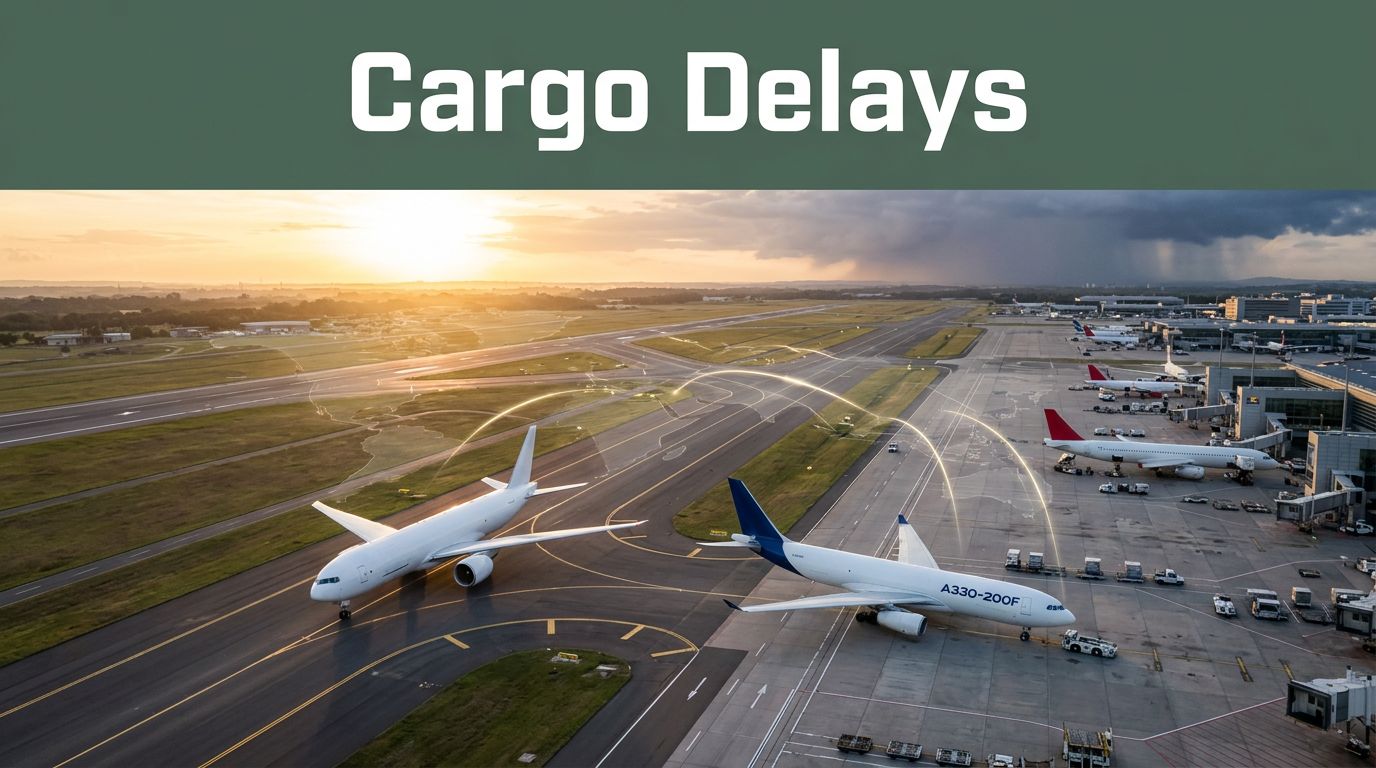
Airspace closures in the Middle East in March 2026 delayed Asia-Europe air cargo shipments by days, and the knock-on effects kept piling up. When flights get cut or rerouted, your freight stays in limbo longer, so you lose sales and strain customer trust. At the same time, capacity stayed tight even as air cargo growth slowed to about 2.4% in 2026, which made every change hit harder than it should.
If you ship by air, you already feel the pressure when timelines slip. You can’t simply “wait it out,” because delays often trigger extra costs like reroute fees, storage, and last-minute handling. In addition, missed connections can force rollovers onto later flights, which pushes your delivery window out even further.
So what causes air cargo delays in the real world, not just on paper? Geopolitical conflicts can close key air routes and strand cargo at major hubs, and that risk can escalate fast with each new restriction. Weather can also slow operations, because storms and fog limit departures and force crews to change plans. Then you’ve got seasonal surges, supply chain issues upstream (like factories and ports running behind), and regulation or fuel requirements that tighten how airlines plan service.
The good news is that the causes follow patterns you can prepare for. Once you understand how these factors interact, you can plan lanes, choose buffers that match your risk level, and reduce the chances that your next shipment gets stuck in transit longer than expected. Next, you’ll see the specific drivers behind air cargo delays and how each one shows up in day-to-day shipment timing.
Geopolitical Conflicts Shutting Down Major Air Routes
When politics turns loud, flight schedules usually go quiet first. In March 2026, airspace closures tied to US-Iran tensions disrupted routes through the Gulf, including Dubai (DXB), Abu Dhabi (AUH), and Doha (DOH). Together, these hubs handle about 13.6% of global air cargo capacity, so even “temporary” shutdowns can freeze a lot of freight at once.
Here’s what it looked like for shippers, based on early 2026 reporting and carrier network updates. Imagine your urgent package circling endlessly, because the plane can’t pass the normal way.
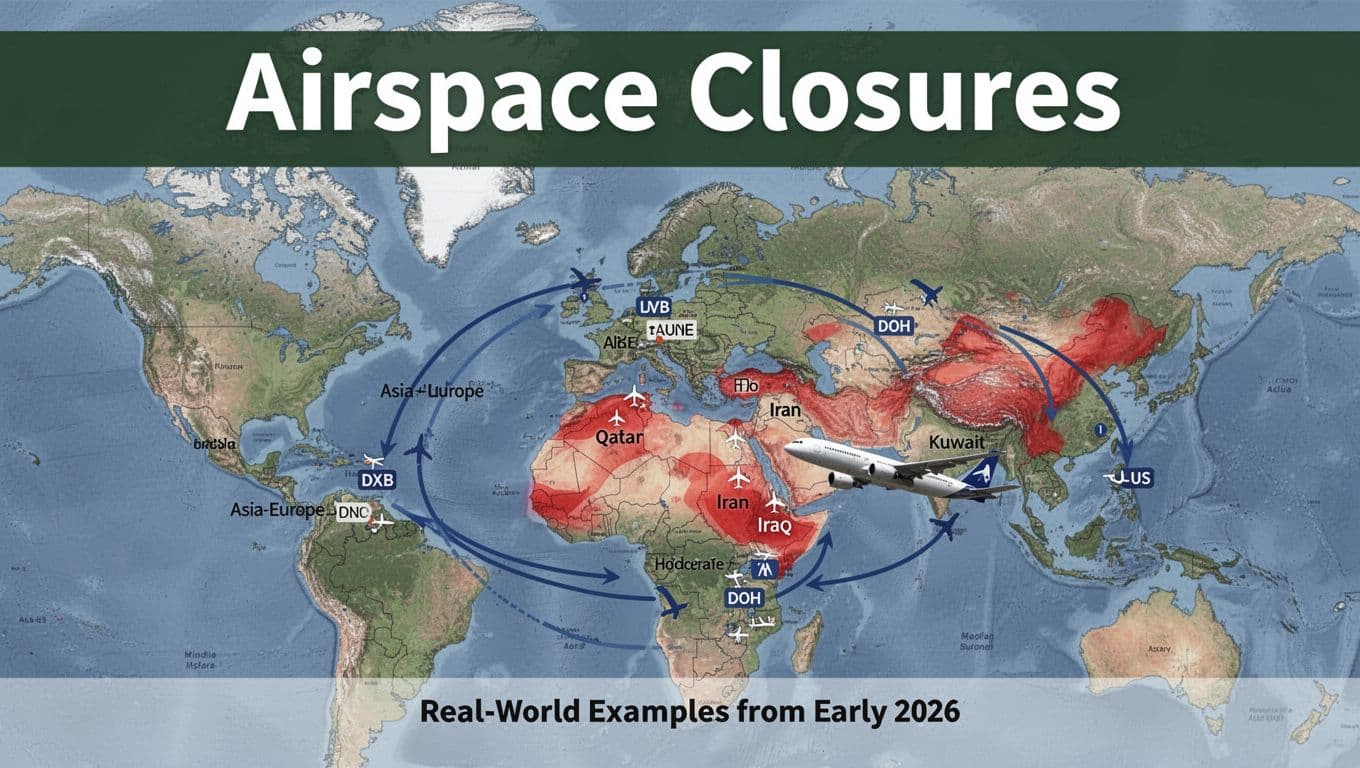
Real-World Examples from Early 2026
In March 2026, airspace closures spread across multiple countries, including Iran, Iraq, Kuwait, Bahrain, and parts of the UAE and Qatar. Flights rerouted around restricted areas, which added days to Asia-Europe and Asia-US routes. Electronics and auto parts, especially, felt it because they rely on tight connections and predictable transit windows.
- Capacity drops fast: closures and restrictions cut throughput and cause knock-on delays at DXB, AUH, and DOH (major choke points for electronics and parts).
- Diversions add time: detours burned fuel and pushed departures back, then missed connections compounded the delay.
- Pakistan-Afghanistan pressure: issues in that region added uncertainty for routes that depend on stable corridor access.
- Sea-air workarounds can fail: some multimodal plans stalled when ocean legs or handoffs couldn’t line up cleanly, which Flexport warned could ripple through networks (see sea-air disruption and network impacts).
Also, remarks reported around the period suggested disruption could last 4 to 5 weeks, which matters because reroute plans need enough buffer to hold for more than a single recovery cycle.
Severe Weather Turning Reliable Flights into Cancellations
Storms don’t just add delay. They flip “on-time” into cancellations fast, especially when the weather hits a key hub or a main runway route. Then your cargo faces a harsh reality: unlike trucks, planes don’t have easy backup options when the sky shuts down.
As a result, demand often spikes right before the storm. Shippers rush to lock in space. Meanwhile, the supply of seats shrinks because fewer flights can safely depart. It’s like trying to catch a moving train while the tracks keep washing out ahead.
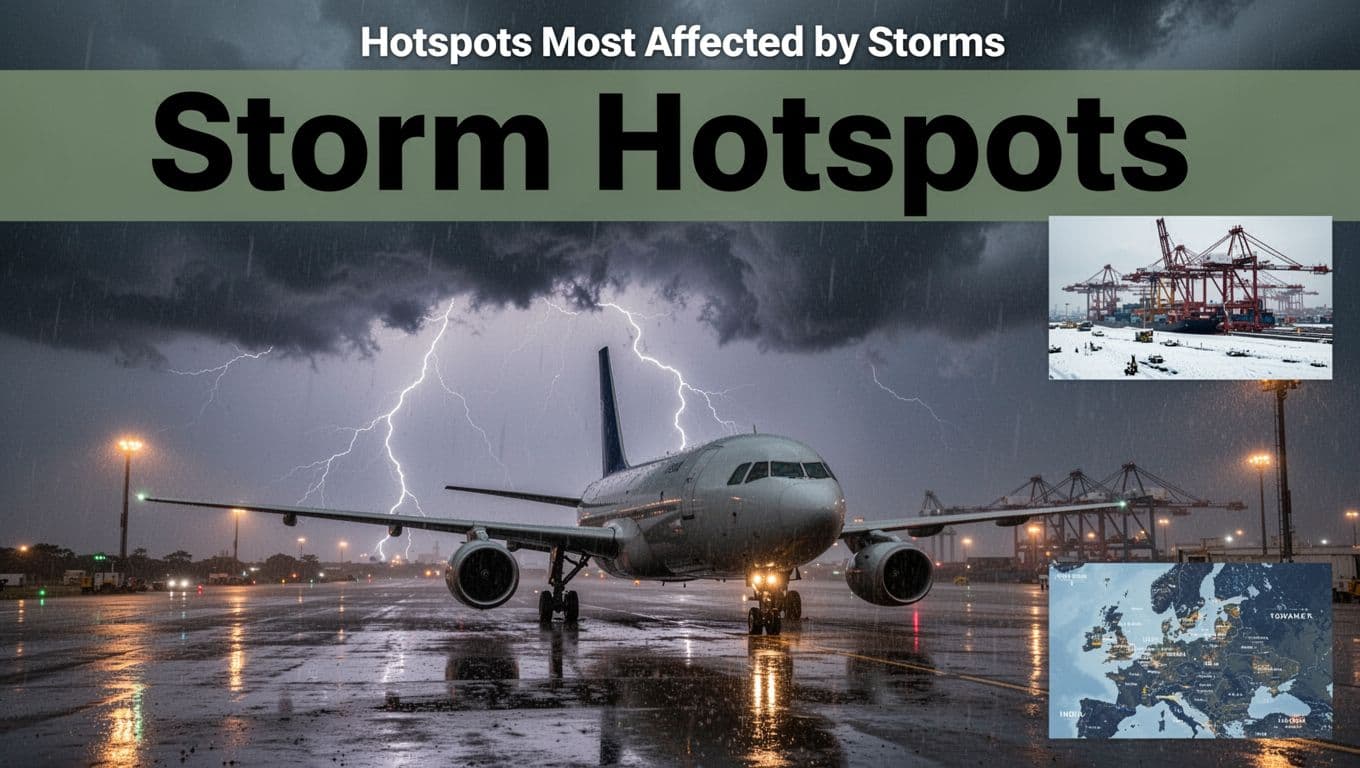
Hotspots Most Affected by Storms
In India, weather can change by the hour. In early 2026, heavy rain and thunderstorms disrupted flight operations and sent some flights to alternate routes, including disruptions around Delhi (see Delhi thunderstorms disrupt 22 flights). When lightning and low visibility ground aircraft, air crews and planes run out of flexibility quickly. Also, ramp teams may pause work, so loading times stretch into the next cycle.
What makes it worse is how air cargo planners respond. Airlines and forwarders pull departures forward, trying to get freight out before the storm line arrives. However, that “pre-storm rush” can create crowding at pickup docks and at cargo terminals. In other words, the moment storms hit, your freight supply chain feels like a busy hallway with people stopping to check their phones.
Northern Europe often plays a similar role, but through ice and snow. Ports and road networks slow, and those delays back up goods headed for air hubs. When trucks and rail can’t move as planned, airports face overload pressure because freight arrives late in larger batches. Reports around late winter disruptions linked storm conditions to both flight cuts and port slowdowns across countries like the Netherlands, Germany, and the UK (see winter storms disrupt European flights).
So you get the double hit: weather cancels flights, and cold weather also blocks the “last mile” to the airport. When that happens, shippers often switch plans, pushing more shipments to air cargo during brief windows. Then the next weather spike cuts capacity again. That cycle explains why cancellations can keep stacking even when conditions briefly improve.
Seasonal Surges Packing Planes Beyond Capacity
Seasonal surges don’t just add volume. They change how air cargo planners run networks, because demand spikes faster than airlines can safely offer space. When factories slow down at the same time, you get that painful mix of fewer goods moving and more buyers competing for seats.
Chinese New Year and Holiday Peaks Explained
Chinese New Year in 2026 fell on February 17, and the disruption started earlier than many shippers expect. About 12 days before the holiday, factories began slowing or shutting down, then e-commerce and electronics demand hit full speed. So, shipments that normally leave in a steady flow all tried to launch at once. That’s when tight air slots turn into lineups at the ramp and increasing dwell time at airports.
Here’s a clear timeline of how it tends to unfold:
- ~12 days before Feb 17 (early-to-mid Feb): Production slows, and orders rush out together, especially AI parts and semiconductors. Bookings get harder, and pickup windows shrink.
- ~7 days before to holiday week (Feb 10-23): Many sites pause work. Airports and ports keep moving, but with reduced staffing and limited uplift options, so high-tech goods pile up.
- Post-holiday restart (late Feb through mid-March): Factories restart, but slowly. Backlogs from the holiday week then feed into the system, creating delays that can last several weeks.
You can plan around this predictable window using a practical guide like Lunar New Year supply chain planning tips. It explains how Chinese New Year should be treated as a 6 to 8 week operations window, not just a single holiday week.
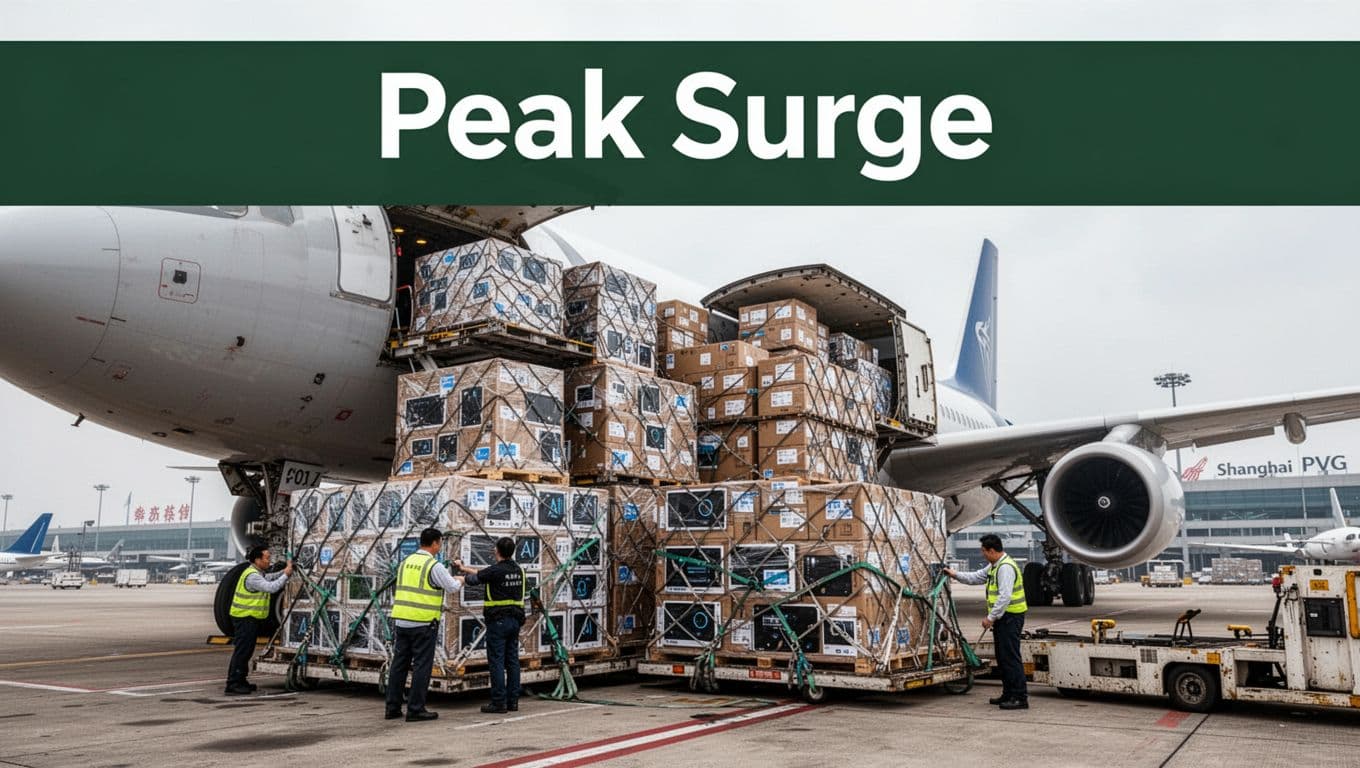
Why Capacity Stays Tight After the Rush
Even after the holiday rush fades, capacity often stays tight because airlines and forwarders lock in schedules based on demand patterns, then demand returns in pulses. In other words, you don’t get a smooth recovery. You get a stuttered restart.
Carriers also prioritize shipments that pay higher margins. When space gets scarce, low-yield freight waits. Meanwhile, premium bookings fill the most reliable flights first, leaving flexible lanes for later. It feels like buying concert tickets, then discovering the doors only open in waves.
This is also where the backlog becomes a second delay. Once factories reopen, shipments don’t magically appear. They feed the network all at once, and stations must clear congestion before they can move smoothly again.
To reduce the chance of being stuck behind the rush, shift your plan earlier and treat peak season dates as fixed constraints. A helpful reference like the 2026 peak season logistics calendar keeps the major surges in view, including Golden Week (Oct 2026) and the Thanksgiving and Black Friday e-commerce boom (Nov 2026).
And if Golden Week hits your lanes, expect schedule compression and capacity windows that are smaller than usual. For example, Golden Week disruptions to Asia’s air freight schedules highlights how non-urgent freight gets pushed out of the best uplift slots.
Ocean Disruptions and Supply Chain Backups Overloading Air Cargo
When ocean routes choke, air cargo often gets pulled in like a spare hand during a traffic pileup. You might expect air to “pick up the slack” quickly, but that plan hits a hard wall: air has less slack, tighter slot control, and fewer true standby options.
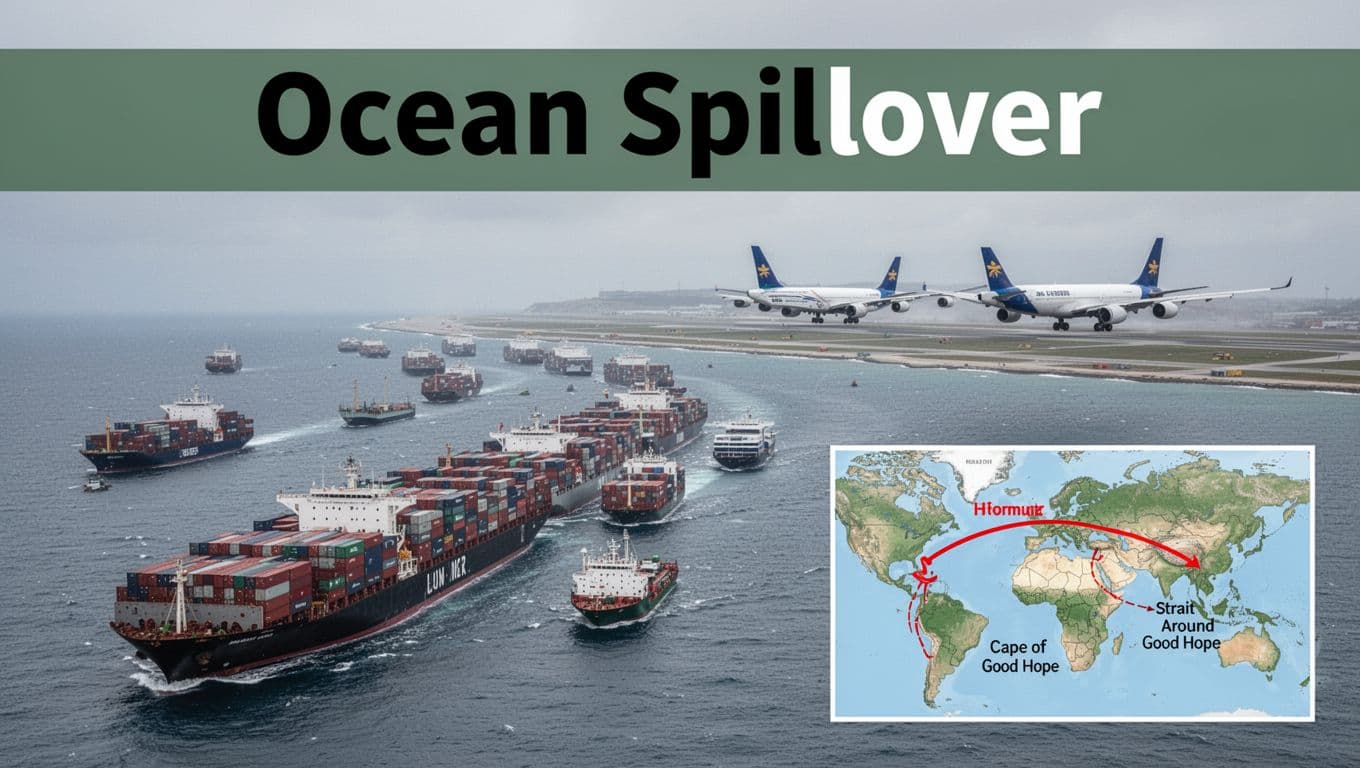
In 2026, ocean disruptions are stacking in ways that overload air networks, especially for shipments with strict deadlines. First, sea lanes slow down. Then inventory starts to bunch up at ports. After that, shippers try to switch modes fast, but the air system has to catch up too. It’s like moving a backlog from one crowded room to another, then realizing both rooms share the same doorways.
Key Spillover Events in 2026
A major trigger in 2026 comes from Strait of Hormuz closure-style disruptions, where ocean traffic faces longer routes, higher risk costs, and slower turnarounds. Real-world impacts include rerouting around Africa, which can add roughly 10 to 14 days to Asia-Europe and Asia-Americas moves. That extra time matters, because ocean delays don’t just shift ETAs, they crush the timing buffers that keep supply chains stable.
Then the backups spread inland. Containers pile up at key ports, and rail or trucking schedules slip. As a result, sea becomes less predictable, even when it still moves. That’s where air cargo gets pressured, since air freight becomes the “time purchase” many shippers reach for.
Here’s the typical chain reaction:
- Ocean trip lengthens (detour time and higher operating risk)
- Port dwell rises as ships arrive in larger, later waves
- Inventory runs thin at factories and distribution sites
- Shippers switch to air for high-value or hard-deadline SKUs
- Air cargo networks overload because capacity was already tight
In the same time window, US West Coast holiday and weather patterns can add local friction. Even when 2026 volume looks softer overall, holiday front-loading can still spike movement on specific days. If rails or drayage slow down, ports hold containers longer, and ocean options stop feeling dependable.
So what ends up in the air? Usually the goods with the least tolerance for delay, like electronics components, medical supplies, and other high-value items. Since those shipments cost more to move by air, you also tend to see rate pressure and tighter acceptance windows for bookings. If the ocean system acts like a clogged pipe, air becomes the short intake hose that everyone tries to use at once.
Regulatory Shifts and Trade Policies Creating Uncertainty
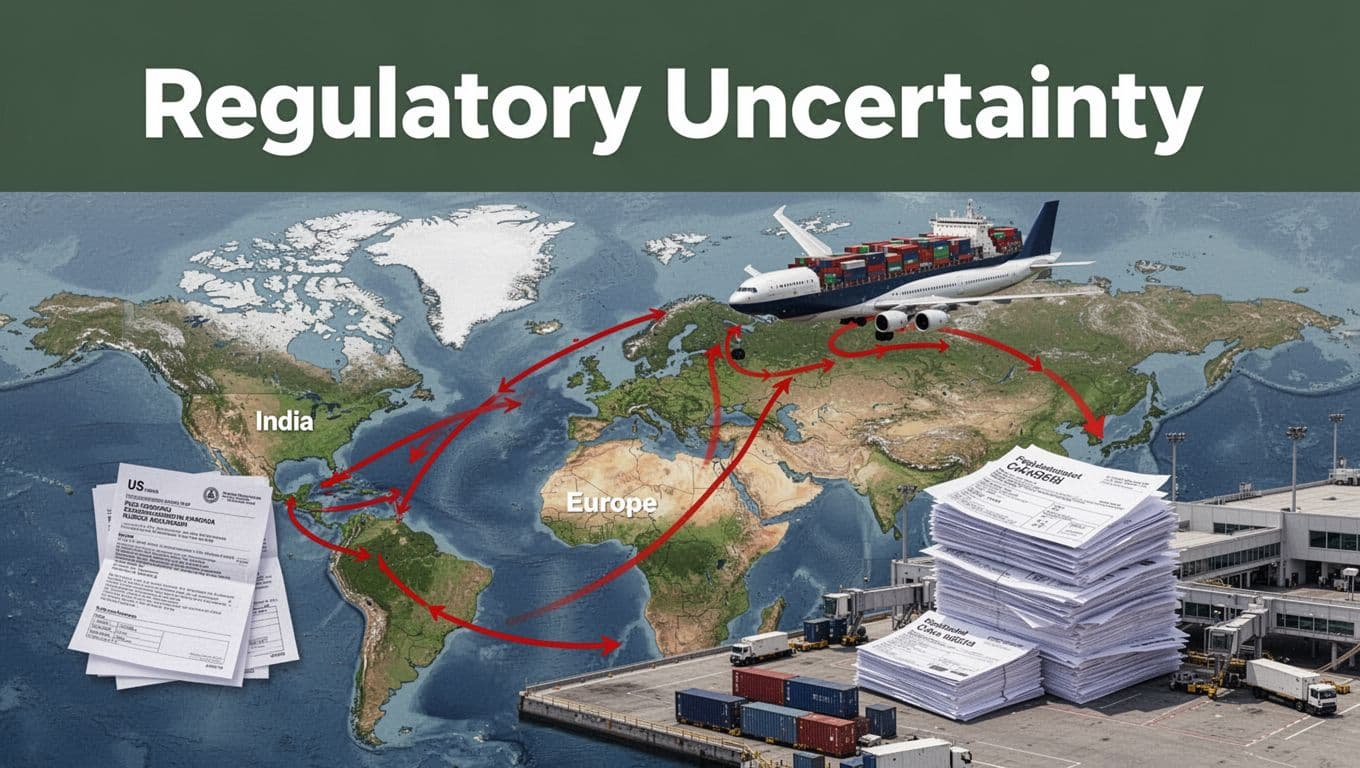
When rules change fast, air cargo feels it immediately. Even a few days of uncertainty can ripple through booking, customs checks, and airline capacity planning. Think of it like driving with foggy headlights. You can still move, but every turn needs extra caution, so delays build.
US-India trade pauses and tariff signals that trigger booking sprints
US-India trade tensions can show up as “pause” talk, slower approvals, or looming tariff threats. That uncertainty pushes buyers to pull demand forward, because waiting feels risky. Carriers and forwarders then see more urgent orders, especially for goods that need tight delivery windows.
In practice, shippers react in two ways. First, they book earlier to lock in lanes before new paperwork rules hit. Second, they increase buffer time so they can handle potential re-checks at departure or arrival.
The net result is volatility, not steady volume. Demand spikes suddenly, then drops when guidance clarifies.
Tariffs on oil shipments to Cuba disrupt upstream lanes and raise costs
Recent US actions targeting countries that sell oil to Cuba can pressure shipping schedules and raise operating costs. Reports describe a broader tariff framework tied to oil supply routes, which can ripple into freight planning even for unrelated cargo.
Once oil-related costs move, air operators adjust fuel assumptions and pricing. As a result, bookings can tighten quickly on routes tied to North American and Caribbean demand patterns. That’s when delays stop being “transport issues” and start becoming policy-driven schedule changes.
If you want the details on the tariff moves, see Trump targets oil sellers to Cuba.
Canada aviation threats, Europe tariff talk, and why capacity stays capped
Canada threats tied to aircraft certification and trade terms can also shake the aviation supply chain. When plane availability or rules look uncertain, carriers protect themselves with fewer “flex” options. That makes capacity feel thinner, even if total demand stays flat.
Europe tariff concerns can create a similar effect. Even when tariffs do not hit immediately, companies often prepare by shifting lanes, changing trade terms, or re-sourcing. Those moves force additional handling and create sudden rushes to secure space.
Here is the core pattern: new rules lead to sudden changes, so shippers book space fast. Then the system catches up, and that catch-up period is where air cargo delays usually hide.
Conclusion
Air cargo delays rarely come from one source. Instead, they stack, because capacity limits meet real-world risk. When geopolitics closes routes, weather cancels flights, or seasonal demand hits early, the whole network tightens and freight spends more time waiting on the ground.
The strongest takeaway is this, planning beats reacting. As disruptions ripple across ocean backups and trade rules, shippers often see delays turn into missed handoffs, stalled customs steps, and slower onward transport. That’s why the best results usually come from building realistic timelines, not just booking a lane and hoping it works out.
- Book early for holiday surges, especially before Chinese New Year and similar peaks.
- Diversify routes and options, so one corridor problem doesn’t stop the entire plan.
- Add buffer time for reroutes, extra handling, and customs checks.
- Track geopolitics and weather signals that can hit specific hubs fast.
- Use a reliable forwarder that watches schedules and capacity, then acts quickly.
If you’ve seen delays for reasons like airspace limits, ramp congestion, or rule changes, share what happened in the comments. What warning signs did you spot first? Subscribe for updates to keep your air cargo timing sharp.