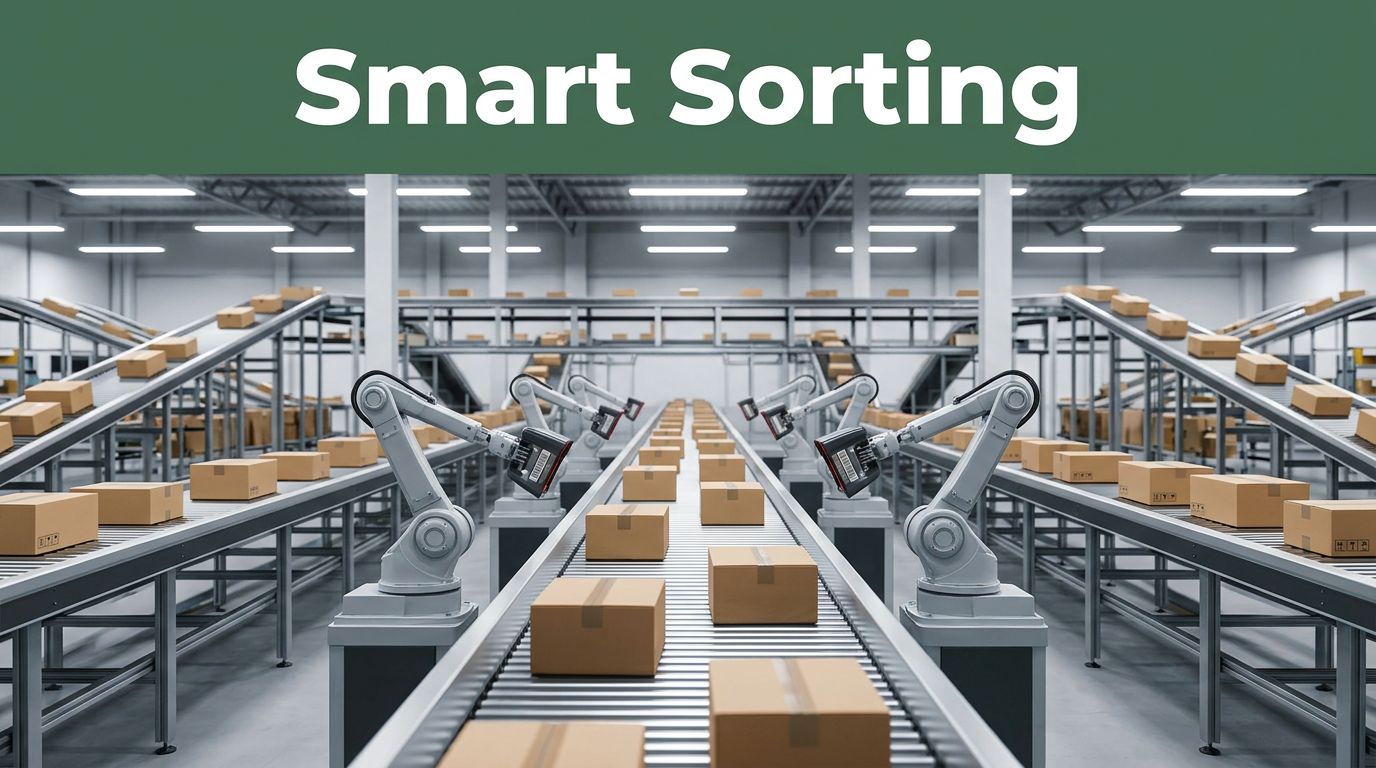
Late packages are frustrating, and high shipping costs feel even worse. When you order online and still wait, it’s hard to trust the delivery promise. The good news is that shipment sorting and efficient routing are getting smarter every year.
Modern logistics centers use fast scans, robots, and tight grouping rules. Then routing systems use live data to avoid delays and reduce wasted miles. For example, a next-day order is often built from hundreds of quick sorting decisions, not one lucky truck route.
In this guide, you’ll see how packages move through sorting hubs, how AI helps choose routes, and what major carriers do in 2026. You’ll also get real tactics you can use if you run a business shipping orders regularly.
Inside the High-Speed World of Package Sorting Hubs
Picture a busy kitchen during the dinner rush. Every order needs the right ingredient, in the right bowl, at the right moment. Package hubs work the same way, except the ingredients are boxes and the “timers” are scans and conveyor speeds.
In March 2026, US logistics hubs handle massive volumes. Nationwide, hubs process over 66.8 million packages daily, or about 773 packages per second. During peaks, package volume can jump more than 40%, which is exactly when sorting accuracy matters most.
Most hubs start with identification. Labels get scanned at high speed, and advanced systems can read more than one kind of marker (like barcodes, and in some cases RFID). Then automated sorters route each item to the right lane, based on destination data.
If you want a closer look at what happens inside a modern parcel hub, this walkthrough helps: Peek inside a modern parcel hub.
Here’s what the flow often looks like once packages hit the facility:
| Sorting step | What happens | Why it speeds things up |
|---|---|---|
| Intake | Trucks unload into timed bays | Prevents backlogs at the dock |
| Scan & confirm | Labels get read instantly | Confirms the destination before routing |
| Automated sort | Robotic gates divert boxes | Cuts manual touch and errors |
| Lane grouping | Freight lanes match geography | Reduces extra handoffs later |
| Dispatch | Loads go out in wave schedules | Keeps trucks full and predictable |
In many advanced systems, machine vision and AI-driven checks reduce mis-sorts to a fraction of a percent, with top setups aiming under 0.01%. That matters because one wrong move can cause a chain reaction, where the package misses several planned handoffs.
Robots and Machines That Never Miss a Beat
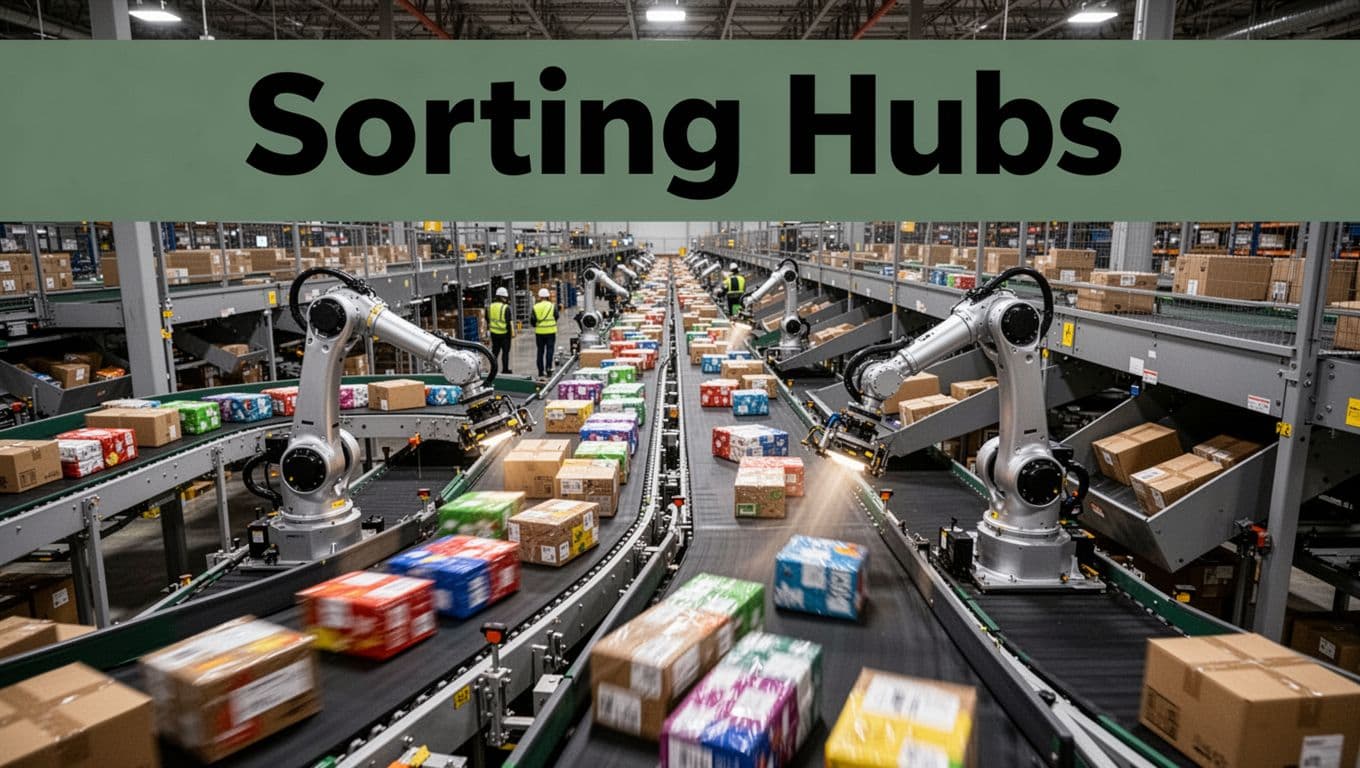
Human sorting used to rely on eyes, muscle memory, and repetition. Today, most hubs rely on machines that can keep their focus for long shifts.
Robotic sorters typically work with conveyor belts and controlled diverters. As a package passes, scanners read the label, and the system sends it to the right chute or lane. The key benefit is speed without boredom. Robots don’t fatigue, and they don’t “miss a label” after a long night.
These systems also handle variety. Packages come in different sizes, weights, and shapes. Computer vision can classify what it sees, so the sorter can adjust how it moves an item.
Real-world outcome: hubs can support faster ground delivery promises like next-day and same-day options, even during peak surges. The system isn’t only sorting. It’s also protecting the plan. Fewer mis-sorts mean fewer re-routes and fewer missed delivery windows.
Zone-Skipping and Smart Grouping Tricks
Now let’s talk about one of the biggest efficiency wins: not moving a package so far, so often.
Zone-skipping groups shipments that share nearby destinations. Instead of sending everything through multiple hubs, the system routes whole groups toward the right regional network. Then local carriers handle the final stretch.
In practice, fulfillment networks place storage closer to customers. That reduces the travel distance before the last leg. So the “long haul” happens fewer times, and each package gets fewer touches.
Why it works is simple: every handoff costs time and increases damage risk. When you reduce touches, you reduce:
- Sorting time
- Repack time
- Address correction time
- Breakage and repack due to extra moves
Also, zone-skipping helps when last-mile costs rise. In March 2026, last-mile delivery represents about 53% of shipping bills, so shrinking the final distance can cut real money.
How AI Draws the Fastest Paths for Your Packages
Sorting is only half the story. After a package is sorted, it still needs efficient routing to reach the right network at the right time.
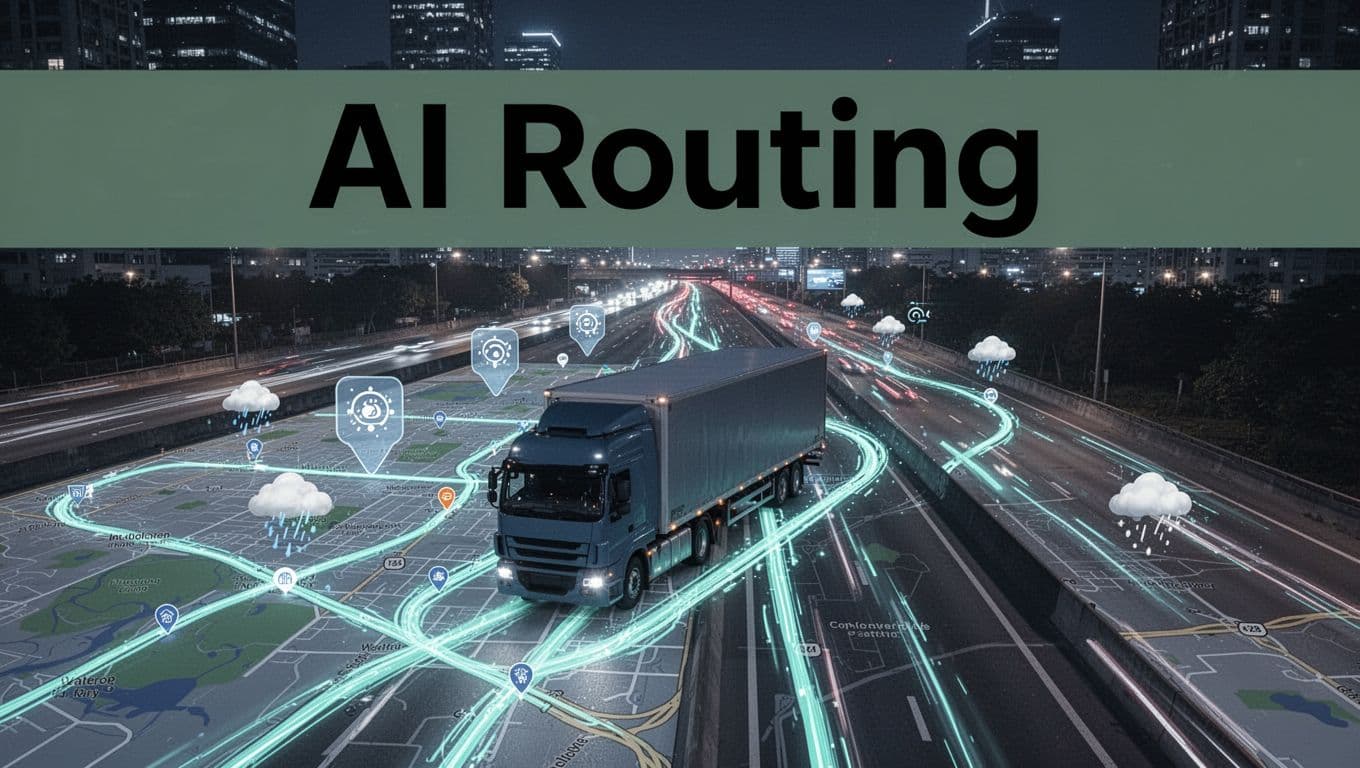
AI routing systems don’t just pick the shortest road. They consider many signals at once, such as traffic patterns, weather conditions, port and facility delays, fuel prices, and historic performance. Instead of using one “fixed” plan, the system can update the plan when reality changes.
In 2026, AI-driven routing also supports real-time rerouting. If a road closes or a storm rolls in, the system can generate a new plan quickly. That prevents delays from cascading through the rest of the route.
This also connects to customer experience. AI can estimate where the package will be next, not just where it is now. That can improve ETAs, reduce surprise delays, and help customer support teams answer faster.
For more examples of how AI route optimization shows up in real operations, see: AI route optimization examples.
Finally, AI helps with forecasting. When volume spikes, capacity gets tight. Predictive models can estimate where demand will grow, which helps companies plan labor, trailer space, and dock timing before things get crowded.
Live Data Feeds That Predict and Adapt
What makes AI routing feel “smart” is that it’s constantly getting new inputs.
Common live sources include:
- Traffic patterns from sensor networks and road data
- Weather updates, including storm paths and wind limits
- Facility and loading status, so routes avoid bottlenecks
- Package volume forecasts, so routes match demand peaks
Machine learning learns patterns over time. If a route usually slows after a certain hour, the model learns that. Over time, it starts choosing “safer” routes that stay on schedule more often.
One quick analogy: it’s like GPS for trucks, except it’s also watching the weather and tracking which stops often get late. Instead of only saying “the fastest road,” it can suggest “the fastest plan that still works when conditions change.”
From Hub to Doorstep with Full Visibility
After the routing plan exists, visibility becomes the next efficiency tool.
End-to-end tracking often combines:
- Scan events at hubs (arrival, departure, lane processing)
- Telematics data from vehicle systems
- Sensor signals from facilities and some carrier networks
When tracking is detailed, exceptions get handled faster. If a package sits too long, the system can flag it. Then operations teams can intervene before the customer feels the delay.
Full visibility also supports better customer messaging. You can confirm where the shipment is and what it’s next supposed to do. That reduces “Where is my order?” calls and helps support teams focus on true problem cases.
The fastest delivery isn’t only about speed. It’s also about avoiding surprises.
Real Tactics from UPS, FedEx, Amazon, and DHL
How do leading carriers put all this together? They treat sorting and routing as a connected system, not separate departments.
UPS and FedEx both invest heavily in automated sorting and AI planning. They also use weather-aware decisions to dodge risk during storms and peak travel times. Meanwhile, Amazon leans into dense regional networks, so packages move shorter distances more often. DHL also focuses on multi-carrier options and network planning across regions.
Here’s a simplified comparison of tech and why it helps:
| Carrier | Common tech theme | What it improves |
|---|---|---|
| UPS | AI planning and network optimization | More reliable delivery timing |
| FedEx | Automated sorting facility upgrades | Faster processing at hubs |
| Amazon | Regional fulfillment density | Shorter trips and quicker handoffs |
| DHL | Network coordination across regions | Better backups when plans fail |
FedEx provides a clear example through its automated hub expansion. You can read about one of its facilities here: FedEx automated sorting facility.
For businesses choosing carriers, the point isn’t which logo looks best. The point is how their network design matches your shipping pattern.
If you ship across many states, network coverage matters. If you ship mostly one region, zone-skipping and regional storage matter more. In other words, carrier choice should match your product and customer location mix.
2026 Trends Pushing Shipping into the Future
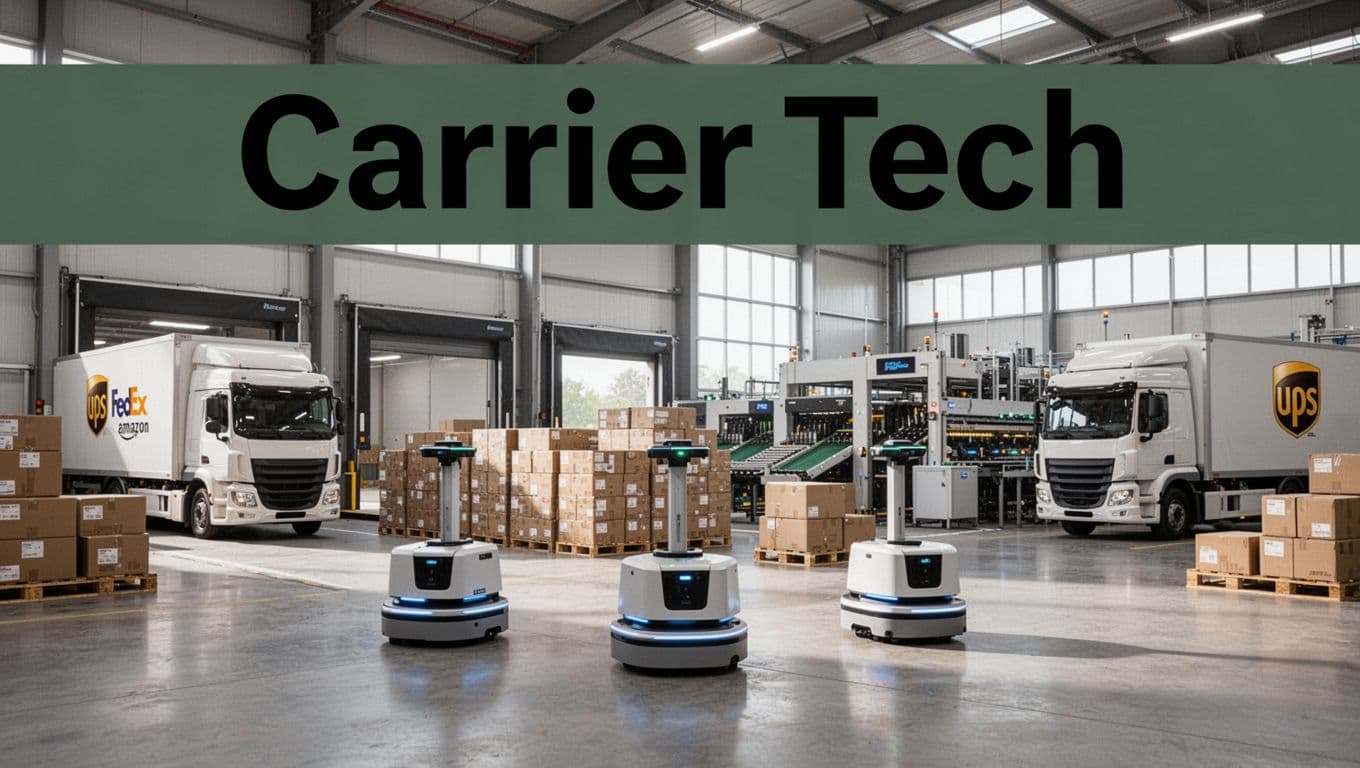
In 2026, the biggest trend is automation getting broader, not just deeper. It shows up across sorting, dispatching, warehouse movement, and routing decisions.
At the same time, carriers want resilience. If a route fails or a facility gets overloaded, the system should reroute fast. Multi-carrier backups and better planning help keep deliveries on track.
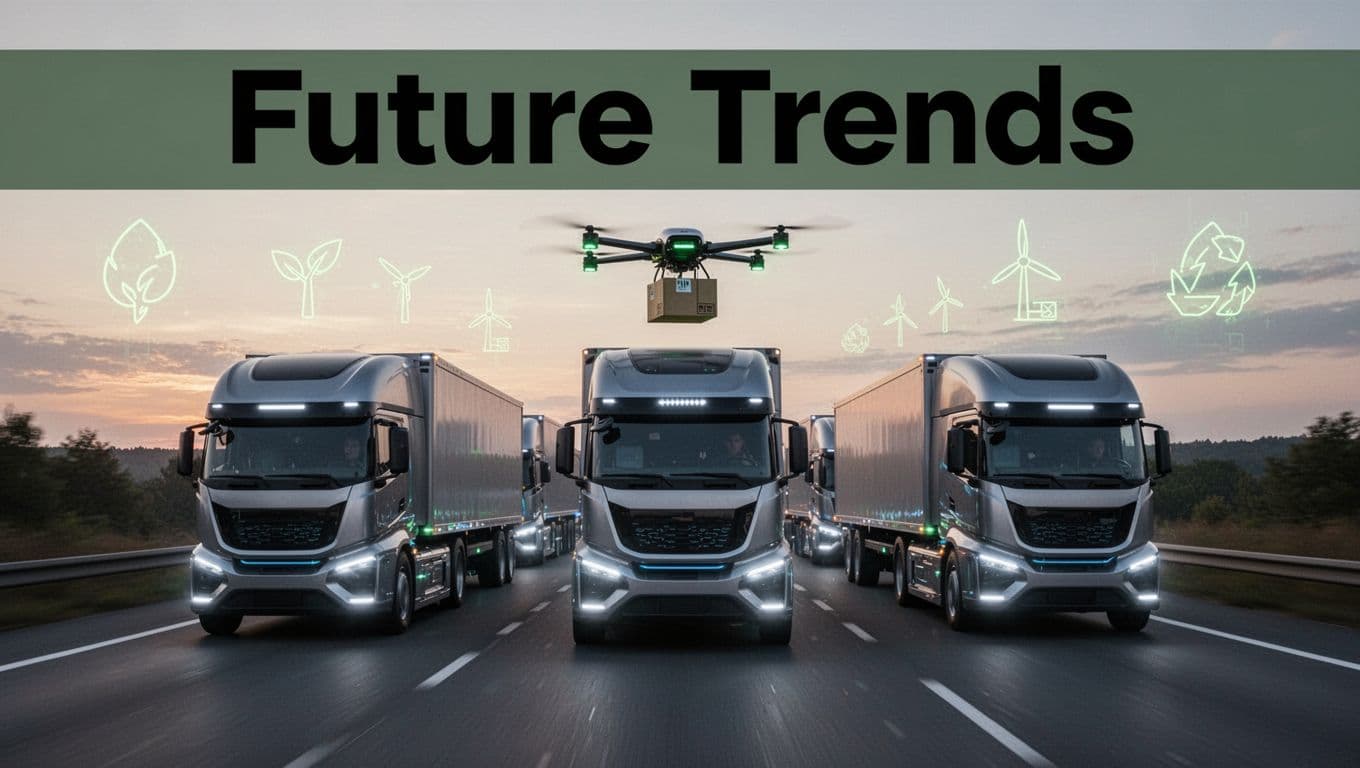
Green routing also keeps growing. Optimized networks cut extra miles, which lowers fuel use and emissions. Zone-skipping helps here too, because shorter travel often means fewer touches and less time in transit.
What might come next? Many companies are moving toward more autonomous decisions, with humans supervising fewer steps.
A few trends shaping the next phase:
- More AI decisions that update routes during disruptions
- More robotic support for sorting and staging work
- More regional micro-fulfillment centers to shorten last-mile trips
- More focus on fleet efficiency and fuel reduction
If you want a broader view of what’s changing in 2026, this resource is useful: Logistics technology trends 2026. You can also look at last-mile shifts here: Last-mile delivery trends 2026.
Conclusion
Shipment sorting and efficient routing work together like a well-run assembly line. Sorting hubs use rapid scans and automation to cut mis-sorts and reduce touches. Then AI routing picks faster, safer paths using live data and predictions.
The biggest takeaway is that speed comes from avoiding wasted moves, not from rushing one step. When carriers group shipments well, reroute early, and track everything clearly, packages arrive with fewer surprises.
If you’re shipping products, compare carriers by network fit, not just price. If you’re a customer, use tracking updates to understand what’s happening behind the scenes.
What’s caused the most delay for your deliveries lately, wrong routing or long hub waits? And for businesses, which matters more to you, on-time rate or the lowest shipping cost?
Quick FAQ
Why do packages get “stuck” at hubs? Capacity spikes or mis-sorts can create backlogs until the next wave dispatches.
Can AI really improve delivery ETAs? In 2026, AI can predict delays by using traffic, weather, and past route patterns.