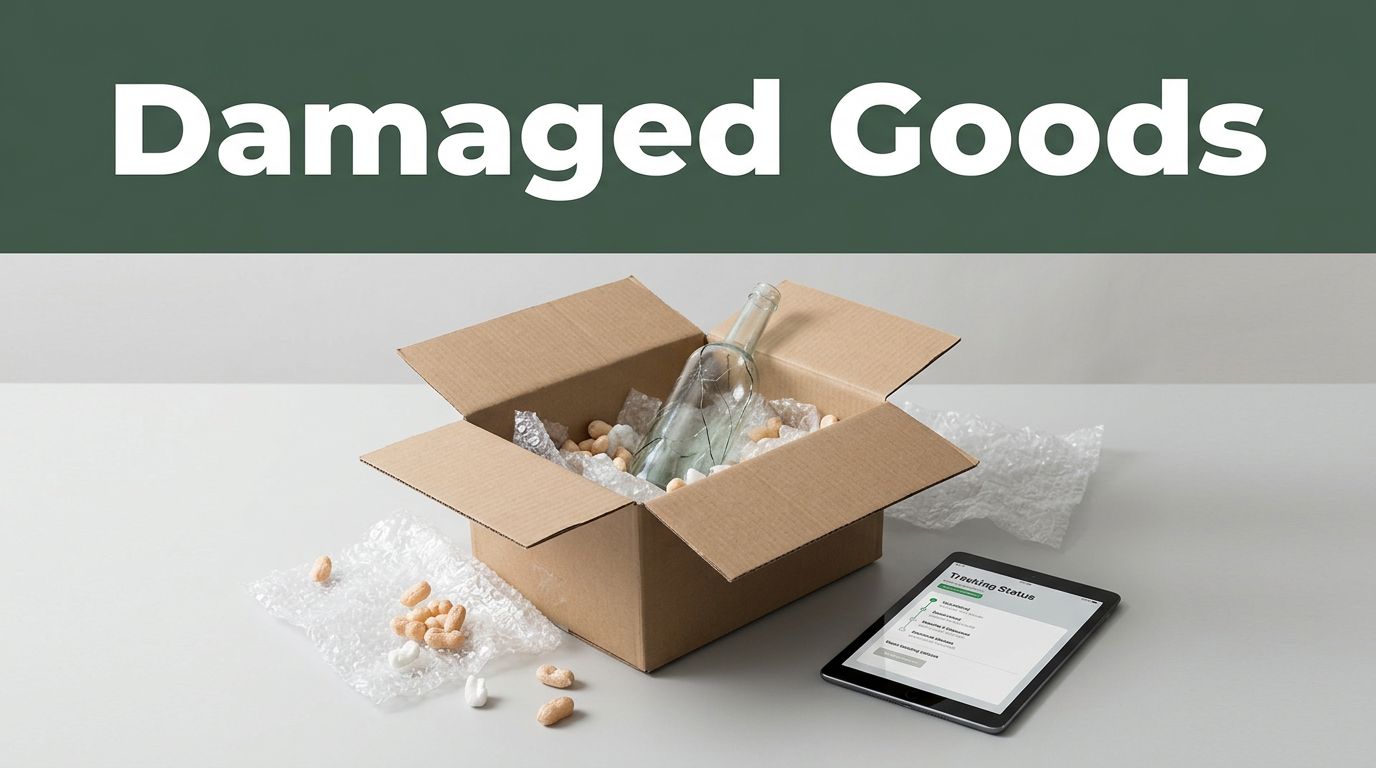
A shopper opens a box and finds cracked glass, or checks tracking and sees “delivered” while nothing shows up. That feels unfair, but it happens more often than you’d think. With online shopping growing fast, shipments travel through more hands and more stops.
When lost or damaged goods handling goes wrong, companies usually follow a clear path. Carriers investigate the package, retailers back up the purchase, and paperwork decides what happens next. In 2026, a few rules and timelines shifted for some sellers, so it helps to know what’s changed.
If you want to file a claim successfully, you’ll need two things: proof and speed. The sections below walk through how companies detect problems, how to file with UPS and FedEx, how retailers like Amazon and Walmart respond, and what to expect from timelines to payouts.
Spotting the Problem: How Companies Detect Lost or Damaged Shipments
Most lost or damaged cases start with a simple mismatch. The system says one thing happened. Reality shows something else.
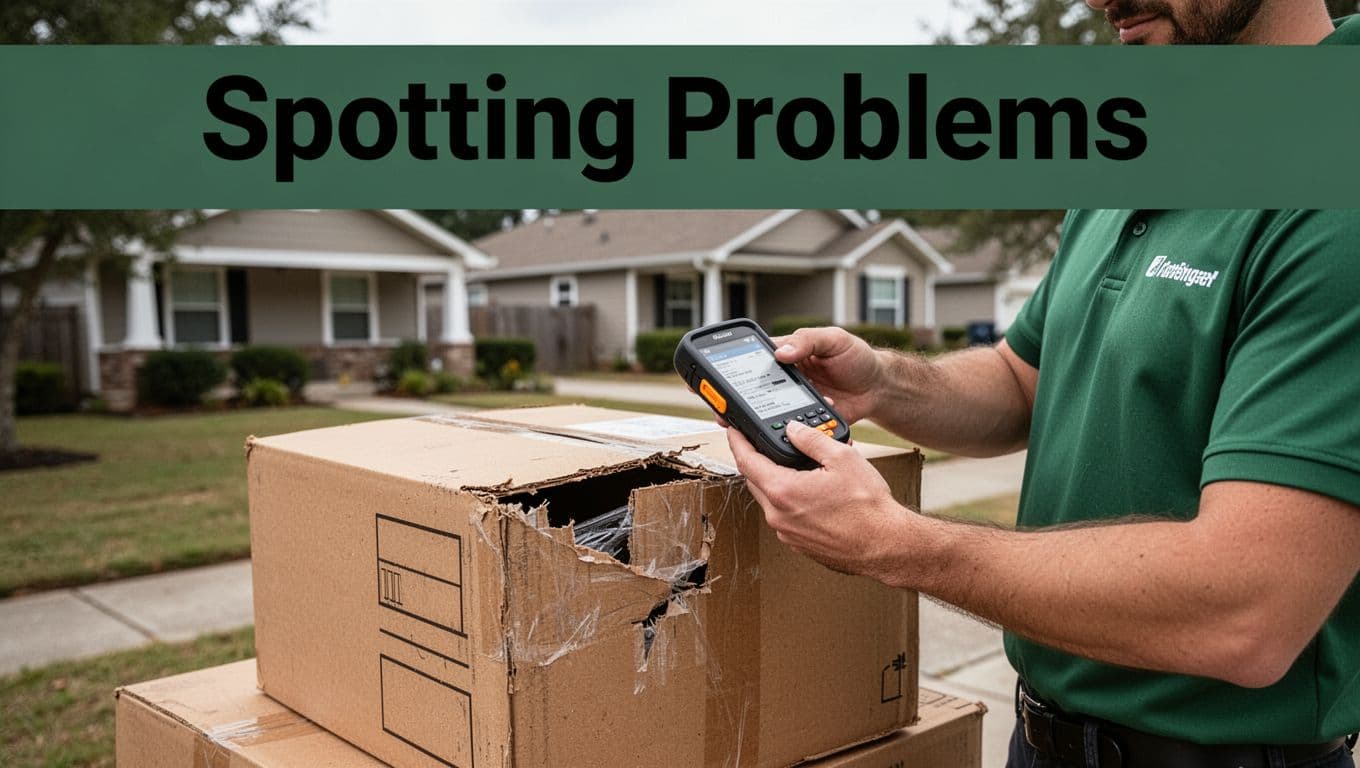
Companies detect issues at multiple points in the shipping journey. First, tracking data and scans flag trouble. Next, warehouse staff check returns and damaged inventory. Then, drivers or delivery teams log delivery results. Finally, customer reports confirm what the customer sees.
Here are common ways problems get spotted:
- Tracking shows “delivered,” but you never got it: Sometimes the label scan records delivery early, or a package gets dropped at the wrong spot.
- A delivery scan fails or repeats: A truck may attempt delivery, then reschedule after a scan gap.
- Packaging inspection during return processing: Warehouses often sort damaged returns into specific workflows.
- Photos or damage notes from the delivery handoff: Carriers sometimes keep delivery proof for investigations.
- Customer reports within hours: Many retailers and carriers respond faster when people report quickly.
Even the delivery service can affect what you see. For example, USPS Ground Advantage delays in 2026 have created more “not here yet” cases than usual in some areas. So it’s smart to wait a little longer when tracking looks delayed, but still file if it crosses the carrier’s “lost” threshold. For service expectations, see USPS Ground Advantage delay context in 2026.
Photos matter because damage is visual. If you have delivery photos, keep them. If the box arrives crushed, take pictures of all sides, plus the label and the items inside. When you later upload proof, photos turn “maybe” into “here’s exactly what happened.”
Role of Tracking and Customer Alerts
Tracking is the earliest warning system. Carriers use scan events to map where a package went, and whether delivery happened.
When delivery fails, you may see alerts like delayed delivery scans, exceptions, or “no access” notes. Meanwhile, retailer apps can prompt you to report issues sooner. Some systems ask you to confirm delivery right away, which helps teams act while details are still fresh.
In other words, a lot of the work happens before you even reach the “claim” page.
Warehouse and Delivery Team Checks
Before anything gets labeled “lost,” companies try to find the package. Drivers and sorting teams check scan histories, then look at routing logs. If a box looks damaged, it often gets inspected and logged so the next team knows what to do.
Retailers also have strong packaging standards for fulfillment flows. For example, Amazon sellers and fulfillment teams aim to reduce damage through packaging rules, because fewer damages mean fewer claims downstream. When damage still happens, those packaging details help in review.
Next, once a problem is confirmed, the process moves into a claims workflow.
Filing a Claim: Step-by-Step with UPS and FedEx
You can think of a claim like an organized story. What happened, when it happened, what it looked like, and what it cost. Then you provide proof.
Deadlines decide a lot. If you miss the window, even valid damage can get denied. So start quickly, and upload everything you have.
For most US domestic shipments, the carrier usually sets the rules. Retailers often refund you first, then handle carrier claims behind the scenes.
A quick UPS vs. FedEx comparison
Here’s how the core timelines typically work for lost or damaged items.
| Carrier | Lost or Undelivered Deadline | Damage Deadline | What you should keep |
|---|---|---|---|
| UPS | 60 days from scheduled delivery | 60 days from scheduled delivery | Photos of damage, packaging, and proof of value |
| FedEx | 9 months from shipment date | 60 calendar days from shipment date | Original box and all packing materials |
The best takeaway: file early and document thoroughly. It reduces back-and-forth.
Must-have documents (the stuff claims teams look for)
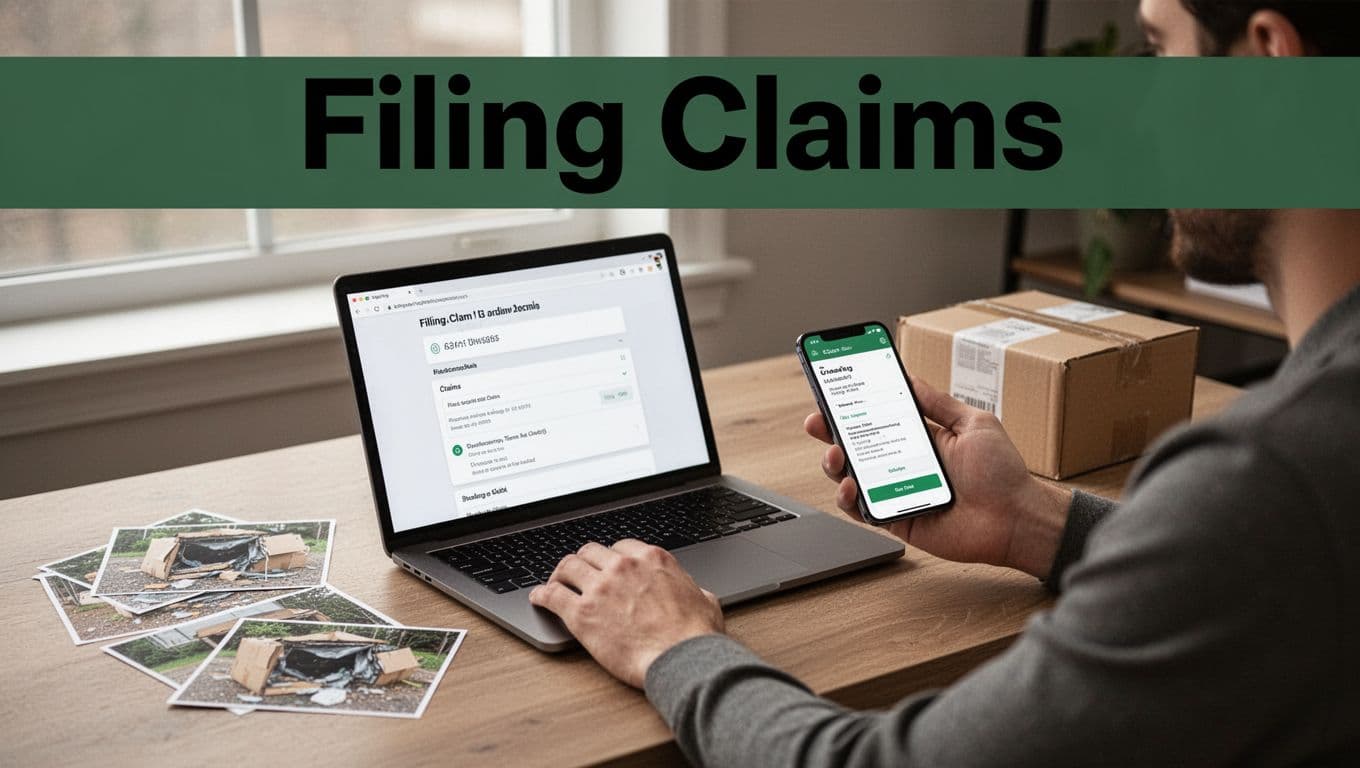
Most denials come from missing details, not bad luck. Before you start, gather:
- Tracking number (or PRO number)
- Photos of damage (box dents, tears, item damage, label)
- Photos of all sides (including the shipping label)
- Invoice, receipt, or proof of value
- Any packaging and packing materials you still have
If the package is lost, you’ll also need item details that prove what you bought and what it’s worth.
Now let’s break down the carrier steps.
UPS Claims Made Simple
UPS makes it easy to start online. If you shipped the item yourself, logging in can give better visibility. If you’re the receiver, UPS still lets you file, then confirms the right parties.
To file, use the official UPS page: UPS file a claim.
In practice, you’ll choose a claim type (lost or damaged), enter the tracking number, and add details. For damaged packages, UPS may ask for inspections, so your photos should be clear and complete.
Deadline reminder: UPS requires claims for lost or damaged packages within 60 days of the scheduled delivery date.
Here’s what happens after submission. UPS typically reviews claims in about 8 to 10 business days. If they need more info, they’ll ask. If approved, the shipper usually receives payment after UPS processes the supporting docs.
Filing early and uploading all required photos is the simplest way to avoid delays.
FedEx Process and Deadlines
FedEx also offers an online claims portal. Start here: FedEx claims portal.
FedEx’s deadlines split by damage vs. lost:
- Damaged packages: file within 60 calendar days from the shipment date.
- Lost or undelivered packages: file within 9 months from the shipment date.
- For delay cases, you can often open a support path once the package stays delayed for at least a day.
FedEx may require inspection for damage. That’s why you should keep the original box and packing materials. If you toss them too soon, your claim becomes harder.
When you file online, the process usually follows this flow:
- Log in (or use the steps they provide).
- Select the right claim type (damage or lost).
- Enter your tracking number.
- Upload photos, receipts, and item details.
- Submit, then check claim status.
FedEx claims often process in 5 to 10 business days, depending on the case.
Next, carriers investigate. Meanwhile, retailers often give you help right away.
How Retailers Like Amazon and Walmart Jump In
Carriers are responsible for the shipment in transit. Retailers are responsible for your purchase experience. That’s why you may see refunds or replacements even while a carrier claim is pending.
Retailers also have their own internal rules, especially for third-party seller shipments. In 2026, Amazon made changes that affect seller claims and refund timing, so it’s worth knowing the broad idea if you buy from marketplace sellers.
Amazon’s Buyer-Friendly Fixes
Amazon often helps buyers quickly through its return and refund systems. For buyers, that usually means a refund happens fast, even before a full carrier investigation finishes.
For sellers, Amazon has a program called SAFE-T (Seller Assurance for E-Commerce Transactions). In 2026, Amazon shortened the SAFE-T filing window for sellers:
- SAFE-T claims for sellers now typically use a 30-day filing window (started Feb. 16, 2026).
- Refund handling rules also shifted in 2026. Sellers generally get a longer refund processing timeline before Amazon automatically issues refunds.
If you sell on Amazon’s fulfillment system, you can review policy details in FBA inventory reimbursement policy.
For buyers, the practical effect is simple. If something arrives damaged or doesn’t arrive, you can usually trigger a refund quickly through the normal buyer flows. If the seller needs reimbursement later, that happens through Amazon’s backend process.
So while you should still report the issue quickly, you often don’t have to wait for the carrier to move.
Walmart and Other Retailer Support
Walmart’s approach depends on who fulfilled your order. If you ordered from Walmart.com, you can often return damaged items by mail or take them to a Walmart store. If your package shows as delivered but does not show up, Walmart customer care typically guides the next steps.
If you bought from a marketplace seller, the rules can feel different. In many cases, the buyer reports the issue, then Walmart helps coordinate a resolution. Sometimes Walmart files on your behalf with the right party. Other times, Walmart directs you to provide photos and order details first.
For seller-side logistics, Walmart uses internal dispute and reimbursement workflows. If you want a concrete example of how Walmart handles marketplace fulfillment disputes, see Walmart WFS customer returns, reimbursement and dispute processes.
The main pattern stays the same. Retailers want you taken care of, fast. Then they sort who owns the loss.
In the background, timing and paperwork decide whether money moves.
Timelines, Payouts, and Smart Tips to Win Your Claim
So how long does this all take? It depends on the carrier, the claim type, and how complete your proof is.
Most carrier reviews take days to a couple of weeks. UPS reviews often take around 8 to 10 business days. FedEx claims often fall around 5 to 10 business days, though complex cases can take longer.
Also, remember what “payout” really means. A carrier may pay the shipper, not you. If you’re the buyer, the retailer’s refund or replacement often happens first. Then the retailer or seller pursues reimbursement from the carrier.
Why claims get denied (and how to avoid it)
Common denial reasons are usually boring, but they’re real:
- You filed late.
- You didn’t upload enough photos.
- You used vague descriptions like “it’s damaged” without showing how.
- You threw away the packaging needed for inspection.
- The item details didn’t match the shipment record.
Fixing these is mostly about preparation, not luck.

Smart tips that raise your odds
You don’t need a legal background. You need clean proof and quick action. Here’s what helps most:
- Start right after you report the issue. Don’t wait for “maybe it shows up.”
- Take photos in one pass. Show label, box condition, item damage, and any packing materials.
- Keep the shipping materials until the claim finishes.
- Use accurate descriptions. Mention what broke, what leaked, or how the box arrived.
- Save receipts and invoices (PDF files count).
- Follow up politely if the carrier asks for more info.
If you want a simple mindset, treat your claim like a photo album for investigators. You’re showing a chain of evidence.
The fastest path to approval is simple: clear photos, correct deadline, complete details.
Prevention that reduces future trouble
Even with good processes, errors can still happen. So it helps to prevent damage and reduce loss risk, especially for high-value items.
You can do a few practical things:
- Insure high-value shipments when options exist.
- Track every delivery and respond to alerts early.
- Use secure packaging practices for items you ship yourself.
- Choose delivery options that fit your routine (signature where it helps).
Also, in 2026, shipping delays tied to USPS Ground Advantage issues have made “lost” reports happen earlier for some routes. That doesn’t mean the claim process changes, but it does mean you should watch tracking closely and follow each carrier’s definitions.
Finally, bookmark this page or save it for later. Shipping problems often strike at the worst time, and you’ll want a clear plan.
Conclusion
When your order goes missing or arrives broken, it’s not just you. Companies handle lost or damaged goods handling with a chain of detection, review, and online claims. In many cases, retailers also step in first so you get help fast.
The biggest wins come from basics: act quickly, keep the packaging, and upload clear photos and proof of value. Carriers like UPS and FedEx review claims based on deadlines and documentation, and missing details often cause the delays.
Next time tracking goes weird, don’t panic. Report the issue, follow your carrier’s process, and keep your evidence organized. Then share your story in the comments, and help other shoppers know what to expect.