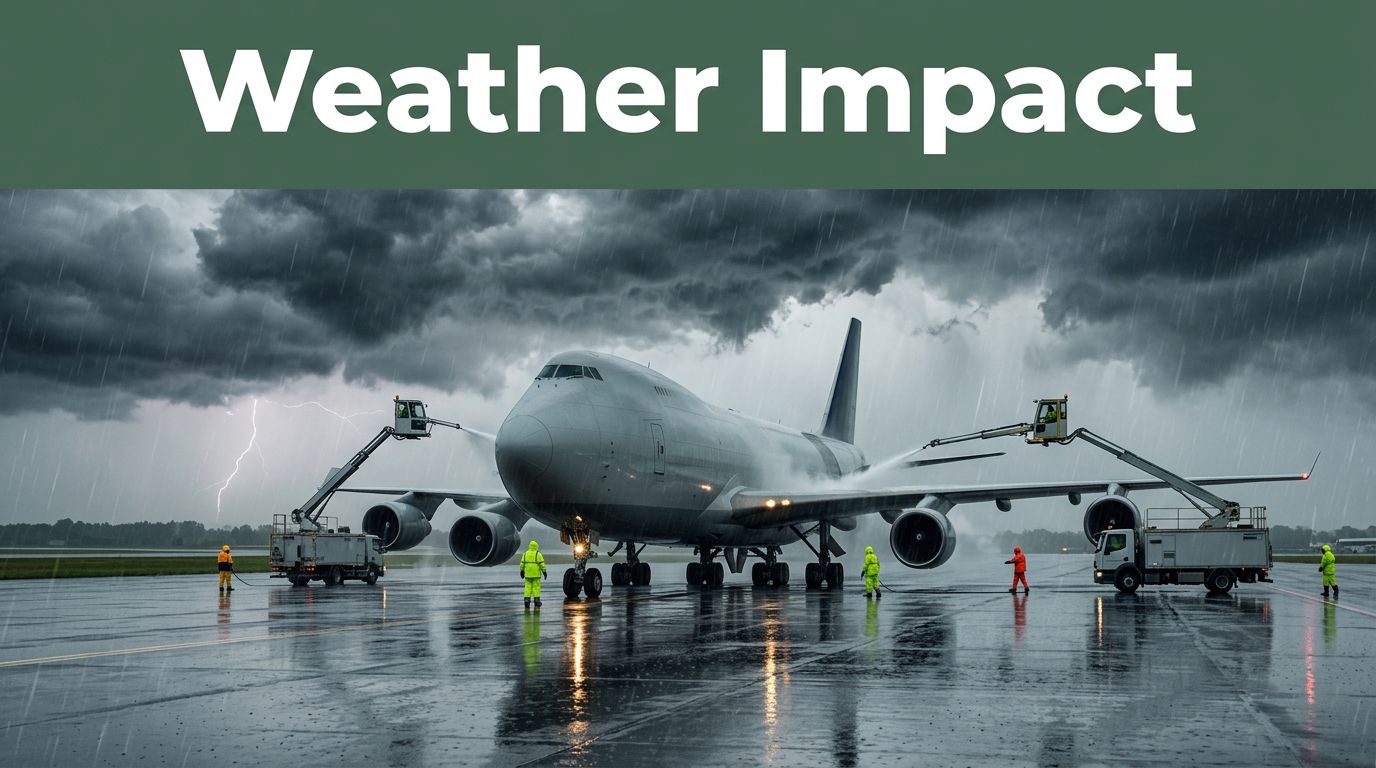
Storm Izzy and similar winter systems already forced thousands of flight cancellations and left cargo networks on pause in March 2026. When planes sit on the ground, medicine, fresh food, and other time-sensitive goods feel it fast. That’s because weather triggers delays, reroutes, and extra ground steps, while regulations tighten what crews and airports can do in those conditions.
Regulatory rules around de-icing, plus airline embargoes during severe weather, can freeze cargo movement even when aircraft still fly elsewhere. Meanwhile, cargo operations often lack the “reroute on the fly” flexibility passengers get, since freight capacity can drop sharply at major hubs.
Next, you’ll see how weather threats and key rules shape cargo flights differently from passenger service, and what 2026 trends mean for global supply chains as March moves forward.
Why Storms, Winds, and Fog Ground Cargo Planes
Weather does not just “delay” cargo flights. It can shut down runways, scramble gates, and force crews into slower, safer decisions. When you’re moving time-sensitive freight, that downtime turns into missed delivery windows fast.
Thunderstorms and High Winds That Force Cancellations
Thunderstorms act like a moving wall of problems. You can face turbulence, hail, and lightning, and you also get wind shear near the storm edge. Even if your flight plan looks clear on paper, the air around thunderstorms can feel like an unsteady boat deck.
Pilots also avoid storms early, not at the last second. In U.S. operations, they generally maintain at least 20 nautical miles from severe thunderstorms or intense radar returns. Why? Because the hazardous conditions can spread outward from the core. Meanwhile, ATC may hold departures longer to keep aircraft separated and to reduce the chance of planes getting caught in rapidly changing winds.
High winds add a second layer of trouble, especially during takeoff and landing. Crosswinds, gusts, and gust fronts can shrink the number of usable runways. As a result, airlines often reduce the amount of aircraft they can deploy, and those reductions can cut usable capacity by around 30% during peak wind periods.
Storm Izzy shows what that looks like at scale. During March 2026, reports described widespread disruptions across major U.S. hubs, with thousands of delayed and canceled flights. Reuters described how FAA-ordered delays targeted multiple airports amid storm threats like high winds and severe thunderstorms, and Newsweek published a list of the most impacted airports. Those kinds of actions ripple through cargo networks because freighters rely on tight schedules, consistent crew duty times, and available aircraft at the next hub.
At a cargo hub, the chain reaction feels immediate:
- Gates fill up fast when arrivals get stacked, and departures wait on de-icing, tow time, and runway availability.
- Turnarounds stretch, since crews need more inspections and runway checks.
- Connections miss their window, so freight shifts to the next flight, if space exists.
- Cold-chain shipments get priority, even as the airport’s overall throughput drops.
Here is the practical take: storms force aircraft off the runway, then the network spends the next day trying to catch up. If you want a real snapshot of how hub disruption snowballs, see Storm-driven hub disruptions and the broader counts in Weather causes flight chaos.
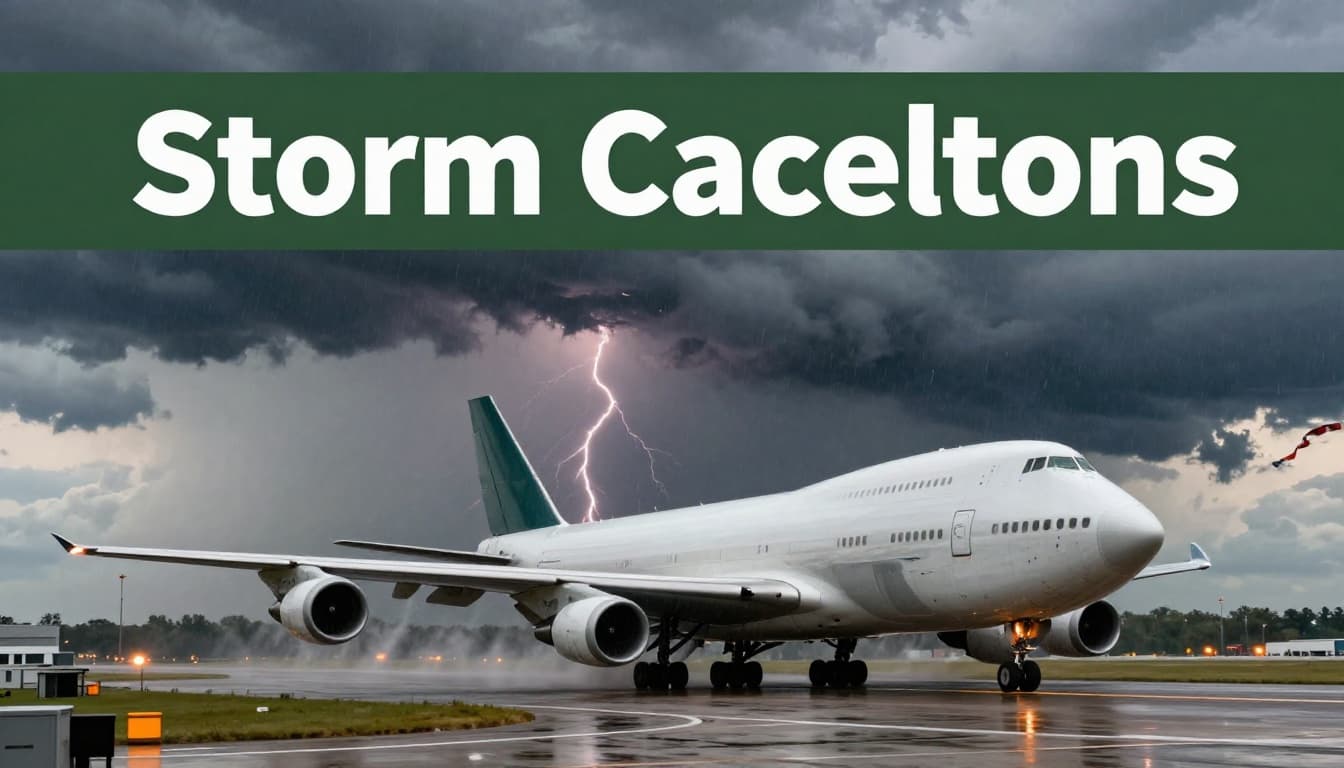
Icing, Fog, and Turbulence Risks for Heavy Cargo Loads
If thunderstorms are the sudden shock, icing and fog are the slow grind. Both can trap cargo aircraft on the ground longer than planned, even when the storm cells have moved away.
Icing that blocks normal takeoff and reduces climb margin
Wing icing changes the way an aircraft flies. A buildup of ice can alter airflow over the wing, so the wing produces less lift and needs a higher speed to stay flying. In practical terms, that can mean crews cannot meet normal takeoff performance, especially when the runway is damp, the aircraft is heavy, or the temperature sits near freezing.
For heavy cargo loads, the risk grows because weight already eats into performance. Even a small extra drag and weight from ice can stretch takeoff distance and reduce climb rate after rotation. That’s why operators follow strict procedures for anti-ice and de-ice, then recheck performance for the actual conditions.
The weather problem also affects turnaround planning. De-icing takes time, and while that happens, gates and ramp crews get tied up. When multiple flights stack up behind icing delays, cargo networks lose momentum across the day.
For a grounded look at operations during winter disruption, winter storms and cargo fragility describes how closures and embargoes can stall cargo even when parts of the system keep moving.
Fog that suspends airport operations
Fog often looks harmless until you land at it. The issue is low visibility and safe approach limits. When fog thickens, the airport may pause departures, slow arrivals, or limit routes that require certain visibility and instrument approach capability.
Cargo flights feel fog differently at night. After dark, fewer crews and limited staffing can make it harder to keep up with reroutes and revised loading plans. Also, cargo aircraft depend on consistent ground operations, and fog tends to disrupt the entire “rhythm” of a shift, from gate availability to tow schedules.
Fog also traps time-sensitive freight behind the same safety rules that keep passengers safe. Think of it like trying to run a supply chain through a keyhole: even if you have the box packed, you cannot move it until the opening widens.
Turbulence that triggers reroutes and emergency landings
Turbulence shows up in multiple forms. Thunderstorm-related turbulence can happen with lightning and hail nearby, while clear-air turbulence can hit unexpectedly when winds shift aloft.
With heavy cargo, turbulence matters because the aircraft structure and the cargo tie-downs must stay within safe limits. Even when it’s not “emergency turbulence,” crews still may change altitude or reroute to keep the ride stable. Sometimes that means landing early, especially if the aircraft needs to reduce stress on systems or if the crew’s comfort level drops below operational thresholds.
In real operations, cargo planning often turns turbulence into schedule drift. If a route requires altitude changes or a longer track to avoid rough air, fuel planning and ETAs shift. Then dispatch adjusts connections, which can strand freight at the wrong hub or force a later delivery slot.
Hot weather that cuts payload and changes lift
Cold weather gets headlines, but heat can hit cargo plans too. Hot air reduces air density, and that reduces engine performance and wing lift. The aircraft may still be safe to fly, yet it can require a lower payload to stay within takeoff weight and climb limits.
So even when you avoid icing and fog, hot conditions can quietly shrink capacity. In practice, shippers get fewer kilos per flight, which can trigger rebooking, partial loads, and more stops.
In other words, weather does not just create “delay.” It can also create a different flight outcome: fewer seats or holds available, a longer route, or a later delivery than expected.
Strict Rules on Batteries, Animals, and Crew That Delay Shipments
When cargo delays stack up, it’s usually not one big cause. It’s a chain of small “stops” created by safety rules, paperwork gaps, and crew scheduling limits. In March 2026, three areas trigger those stops again and again: battery dangerous goods, live animal handling, and crew readiness under safety rules.
New Battery and Dangerous Goods Restrictions
Lithium batteries are now one of the most tightly controlled parts of air cargo, and the 2026 push is blunt. The goal is simple, fewer battery fires from overheating and thermal runaway. The practical result is harder screening at acceptance, more rejects from shippers, and longer waits when documentation needs correction.
A big change is the 2026 state-of-charge (SoC) limit framework. For most lithium-ion and sodium-ion batteries shipped by air, the requirement centers on shipping at no more than 30% SoC (or 25% indicated capacity). The same idea applies whether the battery ships as a standalone unit, packed with equipment, or installed in powered gear. If a shipment misses that cap, handlers cannot just “hope it’s fine.” They must treat it as non-compliant.
Here’s how the stricter rules show up in real operations:
- More battery shipments get flagged for charge limits: Even when the battery is properly packed, the SoC or documentation can fail first.
- Overheating risk shifts paperwork checks: The carrier side focuses on marks, labels, and the right packing instruction every time.
- UN code accuracy becomes non-negotiable: Hybrids and certain battery systems push shippers into the correct dangerous goods category (and the wrong UN code can stop the whole tender).
- Shipper checklists reject cargo early: Many forwarders now run pre-acceptance checks that treat battery mistakes like a blocked runway.
If you want a solid reference that reflects the 2026 alignment across ICAO and IATA, use IATA’s lithium battery guidance document (PDF). It’s built to help teams classify, document, and pack correctly. That matters because the most common delays don’t come from the aircraft. They come from the ramp, where acceptance staff won’t move forward on a bad declaration.
Also keep this in mind: new or mis-updated packing instructions can force a shipment back to origin. When that happens, even if the plane still has space, the calendar does not. The freight misses the day’s cutoffs, and rebooking becomes the only option.
The fastest way to delay a battery shipment is to get the paperwork right, except the charge limit. In 2026, that’s still “wrong.”
Live Animals and Special Cargo Handling Headaches
Live animal cargo runs on a different kind of clock. Weather matters, yes, but so does welfare. That means the rules aim to protect animals during ventilation changes, temperature swings, and handling breaks. In 2026, the process also gets stricter around containers, training, and how teams prove they can handle the shipment.
Live air animal movement is big. Industry reporting often cites over 200,000 animals shipped yearly (with wide variation by region and category). Even if your route carries fewer, you feel the same pressure when small mistakes meet tight airline acceptance timelines. A single container mismatch can turn a “drop at the ramp” moment into hours of waiting.
The 2026 IATA Live Animals Regulations (LAR) updates target a common failure point: containers that do not match the species needs. That includes ventilation expectations and how bedding absorbs waste. It also covers new container details and limits tied to safe airflow and safe stocking density. If the crate cannot manage airflow under stacking, airlines treat it as a risk, not a preference.
Then there’s the training piece. Handling poultry requires different knowledge than moving pets or lab animals. Workers need to understand how animals react, what “normal” looks like during transport, and how to handle emergencies. Many delays happen because the right staff is not available at the right time, or because a handler lacks a scenario-based view of what can go wrong on ramp.
Temperature tracking is another time sink. If a shipment needs controlled conditions, crews and dispatchers may pause loading until they align on the monitoring method, alert flow, and who gets called when temperatures drift. Meanwhile, health documents and permits must match the destination requirements. If a customs or wildlife permit item is missing, the shipment can’t clear the safety gate, even if the aircraft is ready.
For an authoritative guide to the rules themselves, lean on IATA’s Live Animals Regulations (LAR). It’s the backbone many airlines and forwarders use to judge container specs, acceptance steps, and welfare requirements.
In short, live animal cargo delays usually come from container compliance gaps, handler training mismatches, or temperature and documentation checks that force a stop. When that stop happens late in the day, you do not just miss one flight. You miss the next connection too, and that can change delivery outcomes for days.
How Cargo Differs from Passenger Flights in Bad Weather and Rules
Cargo flights and passenger flights may share the same sky, but bad weather hits them in different ways. Cargo ops often run at night, carry heavier loads, and move goods that can’t tolerate delays. Meanwhile, passenger airlines focus on people first, with rules designed around evacuation, comfort, and crew rest.
That difference shows up fast when visibility drops, temperatures swing, or hazardous materials enter the picture.
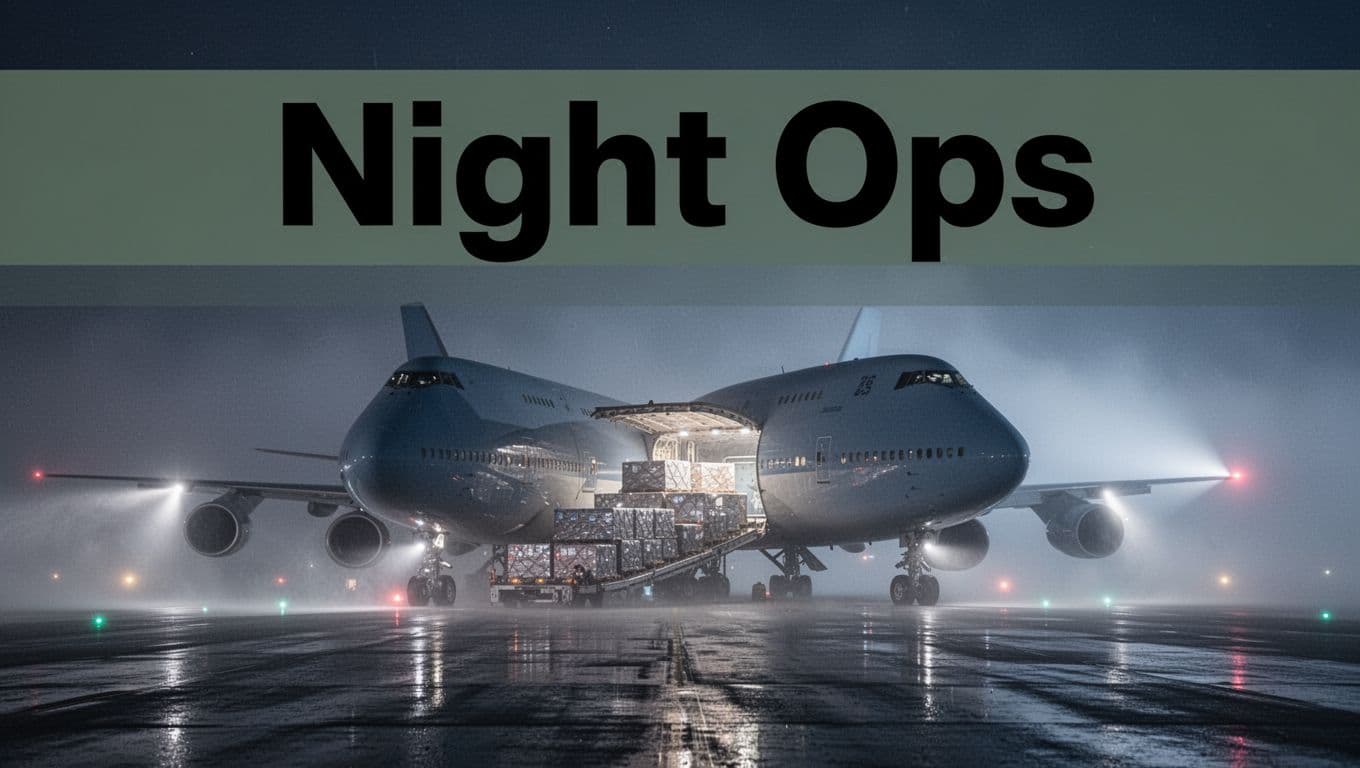
Night Ops and Heavy Payload Challenges
Cargo flights often run overnight and into early morning. So when weather turns dark, foggy, or stormy, the flight starts with fewer margins than a daytime passenger schedule.
Low light matters more for cargo than you might think. In fog, runway lighting and instrument guidance become the whole game. If the fog thickens or drifts, pilots and dispatch may slow down arrivals, hold departures, or reroute. For cargo, that can be painful because freight needs a specific arrival window to keep cold storage, customs processing, and last-mile delivery on track.
Now add heavy payload. A cargo aircraft might carry pallets at near maximum weight, while passenger flights often offload part of the cabin load through step-by-step boarding and frequent schedule adjustments. With heavy cargo loads, performance margins get tighter, especially during:
- Heat and humidity: hot air reduces lift, so the plane may need less weight to meet takeoff and climb limits.
- Wet runways: rain and slush reduce braking effectiveness, which affects landing distance.
- Low visibility: fog can force slower approaches and longer taxi times, which compounds ramp delays.
Heat is a key example. In hot weather, passengers may get fewer seats sold, but the aircraft can still shift how it runs the day. Cargo can’t always do that, because a full load is the point of the flight. If heat cuts lift, cargo planners may reduce payload, adjust loading, or choose a cooler time window.
Unique Regs for Hazmat and No-Passenger Rules
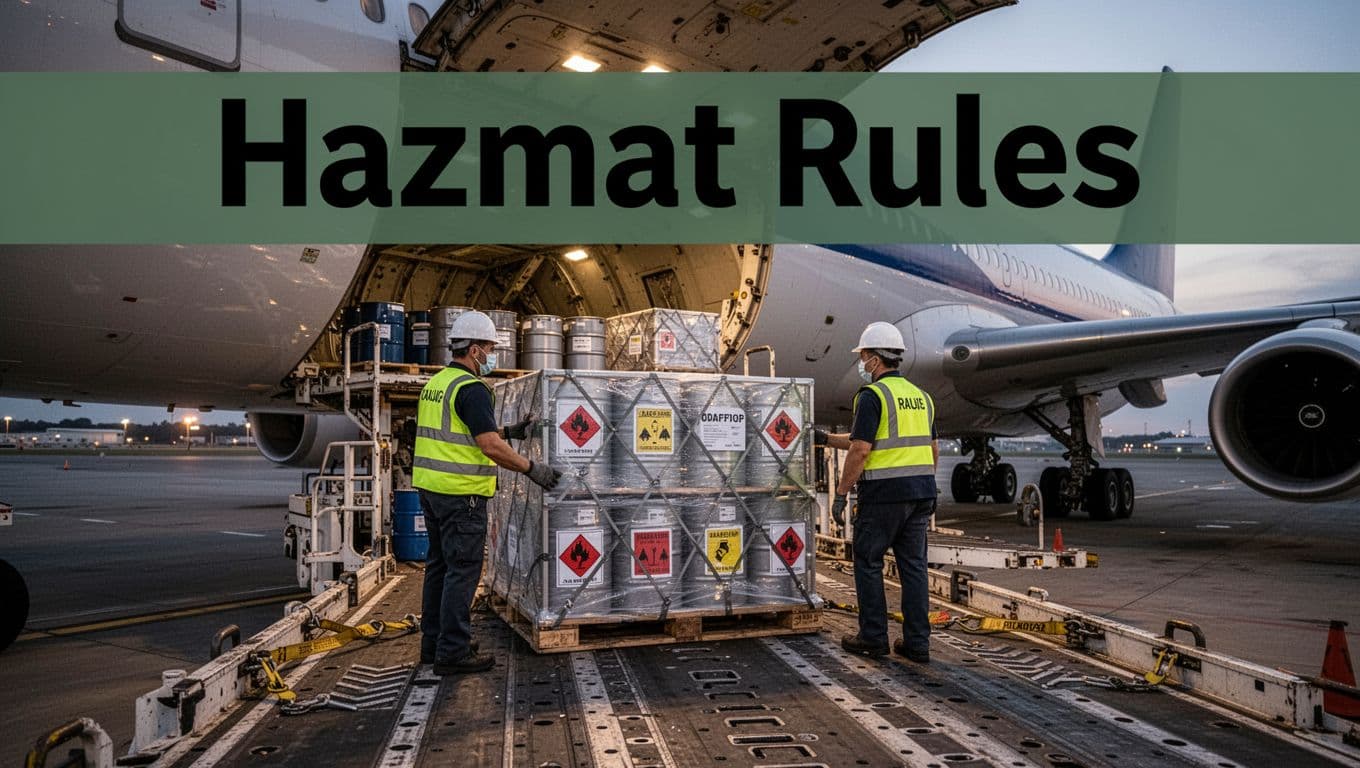
Rules also split cargo from passenger flying. Cargo commonly carries hazardous materials, and the carrier must manage them as part of the aircraft loading, documentation, and safety plan. Passenger flights, by contrast, often limit or exclude many types of hazmat because the risk profile changes when you have people onboard.
For cargo, hazmat handling starts long before the plane moves. Shippers must provide correct classifications, labels, and documentation. If those details do not match the carrier’s acceptance standards, the shipment can stall at the ramp even if there’s space in the schedule.
In the U.S., look at how hazmat updates show up in official notices like the FAA’s Hazmat Highlights. These updates matter because they can change what gets flagged at acceptance and how incidents get reported and reviewed.
Also, hazmat operations often come with extra training and procedures on the ground. Cargo teams may follow CBTA-style training concepts (competency-based learning) so ramp staff can recognize hazards and handle packages correctly. The goal is consistency, especially when multiple vendors touch the shipment.
Then there’s the no-passenger reality. A cargo aircraft usually focuses on protecting cargo and supporting crew safety, not passenger evacuation. That means the plane and procedures do not rely on passenger equipment like you see on passenger aircraft. It’s not that crew ignores safety. Instead, the safety model shifts toward containment, correct segregation, and safe aircraft handling.
Finally, weather can amplify these rules. If fog forces delays, hazmat shipments may need careful time and handling checks at the terminal. If heat rises, temperature-sensitive dangerous goods can become harder to load quickly. In other words, bad weather doesn’t just slow the flight. It can force the ground process to run tighter, longer, and with fewer shortcuts.
A simple way to remember it: passenger rules protect people during disruption, while cargo rules protect hazardous goods and the aircraft during disruption.
2026 Trends Hitting Cargo Supply Chains Hard
March 2026 feels like supply chains got pulled in three directions at once. Weather is swinging, ocean options look less reliable, and rules tied to air freight keep costs climbing. Put those together and you get a familiar pattern: more time to plan, less space to spare, and fewer “easy” reroutes when something breaks.
That impact is showing up most on major corridors. Asia-to-Europe and India lanes have already seen strong rate pressure, and it keeps building when airspace or fueling costs tighten. For a quick snapshot of how quickly pricing can jump, Air Cargo News reports that rates on services from the Asia-Europe and India trade lanes have continued to reach new highs, with some spot levels moving well above pre-conflict pricing. You can see one example here: Asia-Europe and India rate surge.
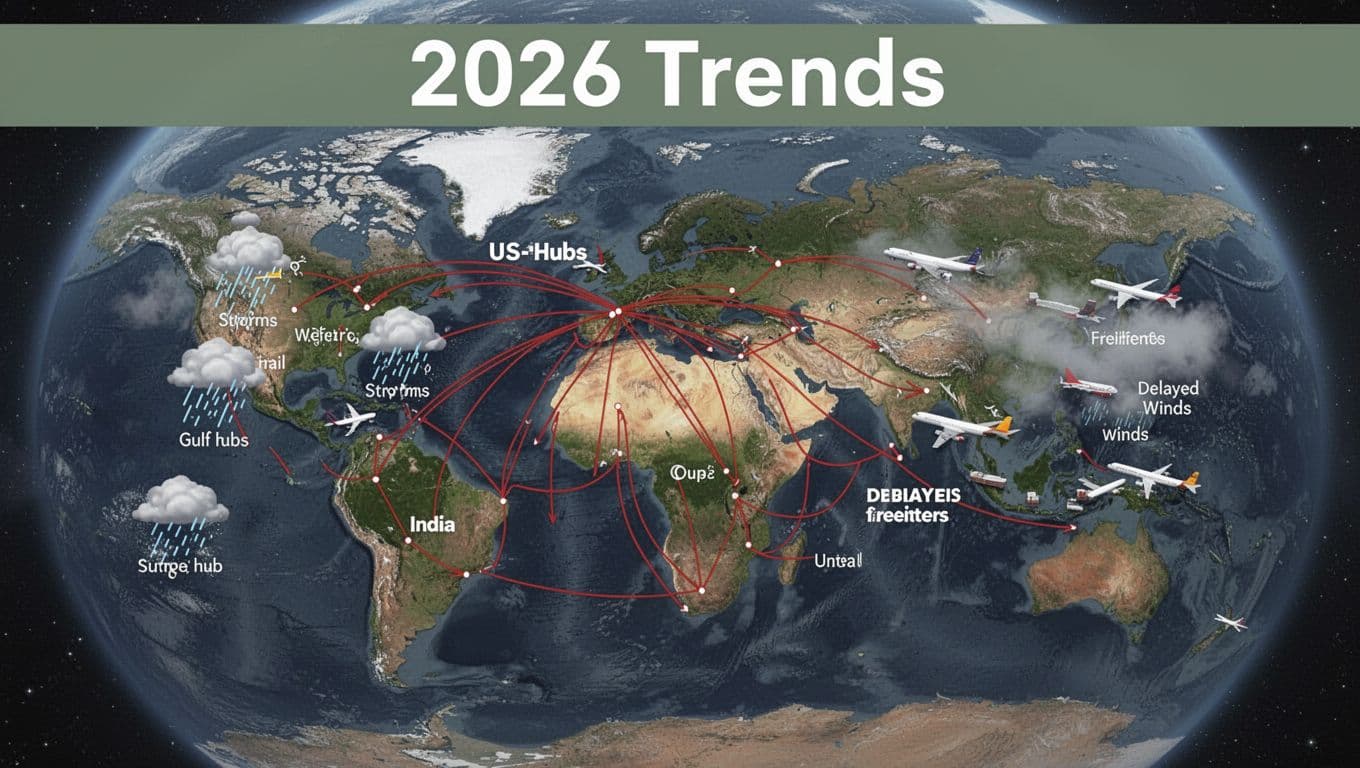
Weather patterns push shippers from ocean to air, then stress air capacity
Weather trends in 2026 are not just about “more storms.” They’re about faster swings and less predictable windows for both ocean and air. When ocean schedules slip, shippers often treat air freight like a shock absorber. However, that only works if air capacity and routing stay steady.
In March 2026, India saw big swings, including heat early in the month, then a shift toward heavy rain, hail, fog, and colder conditions later. Those changes matter to air cargo because they hit airports, ramp staffing, and runway availability in the same season. When weather turns like that, your shipments do not just face one delay. They can face a chain of them, from acceptance checks to linehaul and onward clearance.
Here’s the practical effect: ocean transit time looks stable until it isn’t. Then it becomes an uncertain bet. Air freight looks more reliable, so more freight moves by air at once. As a result, airports get busier, lead times stretch, and rates rise.
Meanwhile, North America and Europe can see less visible disruption in headlines, but the pressure still shows up. When one region absorbs the disruption, other regions become the “backup” network. That pushes congestion outward. You feel it in:
- Longer ground dwell times after arrival
- Fewer same-day transfers at big hubs
- More waiting for cold storage or secure warehouse space
SAF and compliance rules raise the baseline cost of moving freight by air
Even when flights depart on time, rules can change the total cost and planning effort. SAF-related requirements, documentation, and reporting add friction for carriers and forwarders. In plain terms, more steps means more chances for errors. Also, those steps can take time during peak weeks.
SAF pressure also shows up indirectly. Carriers adjust their cost models when fuel blends and compliance steps rise. Forwarders then price that risk into quotes. That is why two shipments that look similar on paper can end up with very different all-in costs.
The tricky part is that weather and regulations stack together. If a flight gets delayed, crews need duty time management. If routing changes, aircraft swaps and handling plans need updates. If documentation gets questioned under stricter acceptance rules, the shipment can sit at the gate longer than expected.
So when you plan for March 2026, treat compliance like part of the schedule, not just paperwork. Build extra time for:
- Dangerous goods acceptance and rechecks
- Battery or temperature-controlled documentation review
- Any carrier-specific SAF or fuel-related booking rules
If you want a real-world example of how capacity limits can push pricing up, ETInfra reported that air freight rates surged on some routes amid Middle East conflict disruptions, pointing to longer routes and reduced cargo capacity on both freighters and passenger planes. That’s a useful illustration of how rule-and-routing effects become rate effects: Air freight rates surge amid disruptions.
US-India trade shifts and Gulf reroutes add days, not just miles
Trade lanes in 2026 are evolving, and the US-India corridor stands out. As trade volumes and sourcing patterns shift, more freight concentrates on a smaller set of dependable routes. That concentration has one clear result: when reroutes happen, delays become harder to “absorb.”
At the same time, rerouting around Gulf hubs can add time even when flights still move. The reason is simple. When aircraft avoid certain airspace or adjust around congestion, you don’t just add distance. You add:
- Different arrival windows at the next hub
- Tighter connection timing for onward transfers
- Less flexibility for rebooking if a flight misses its slot
It’s helpful to picture a supply chain like a set of dominoes. A weather delay knocks over the first one. Then rerouting around a hub knocks over the next one. By the time the shipment reaches the destination airport, you’re not just late. You may also miss the cutoffs for customs processing or last-mile handoff.
For shippers, the best move is often to plan for time drift, not just flight time. Book early for peak demand, and treat connections as fragile. Air can still be the faster option, but it needs coordination.
If you want another data point on how Middle East disruptions ripple into air cargo supply chains and routing pressure, check Air cargo rates surge as disruptions hit supply chains. It reinforces the same theme: the route is the schedule.
In short, March 2026 is showing a clear pattern. Weather drives the initial disruption, SAF and compliance raise the cost floor, and reroutes turn “small” changes into extra days.
Conclusion
Weather and regulations shape cargo flights in ways you can feel on the ground, even if aircraft still take off. Storms, icing, fog, and high heat can force delays, longer ground steps, and payload cuts, while rules around batteries and other special cargo add extra checks that stop shipments before they ever move.
At the same time, cargo networks often have less room to recover. When weather triggers reroutes and schedule drift, the next hub may not have the space, staffing, or cargo readiness to absorb the change, so small disruptions turn into lost cutoffs and extra days.
If you ship freight, track forecasts and rule updates together, then build options into your plan (flex routing where possible, earlier bookings in peak windows, and tighter documentation prep for hazmat and batteries). What’s one delay you’ve seen that came from rules, not the weather, and how did your team adjust the next time?