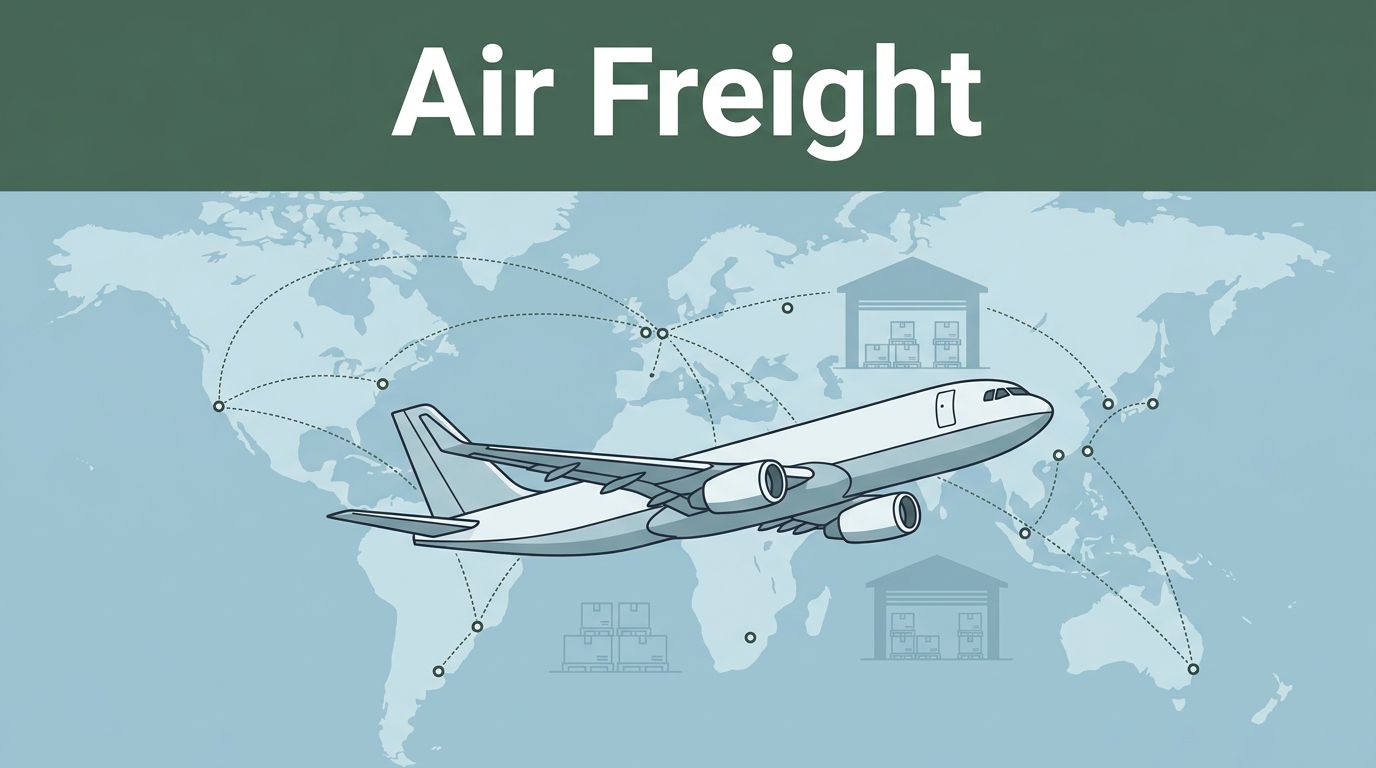
When you ship urgent goods by air, you expect speed. You also expect fewer headaches than you’d get by trying to manage it all yourself. That’s where freight forwarders come in. They act like the behind-the-scenes experts connecting you to airlines, warehouses, and delivery partners.
Air logistics keeps moving for a reason. The global air freight market is expected to grow to about $169.53 billion in 2026, even as growth slows compared to the prior year. E-commerce from China is also flat, so businesses need smarter planning, not just more bookings.
So what do forwarders actually do? They plan routes, manage paperwork, handle compliance, and coordinate every handoff. In other words, they help you get your cargo from “packed” to “delivered” with less risk and less delay.
Below, you’ll see how freight forwarders plan and book air shipments, what services they add beyond flying cargo, and why shippers partner with them even when the rates feel high.
How Freight Forwarders Plan and Book Your Air Shipments
Freight forwarders don’t treat air shipping like a single phone call. They treat it like a chain. If one link breaks, delivery dates slip. That mindset shapes everything from route planning to cargo handoffs.
First, they match your shipment with the right option. They look at size, weight, speed needs, and cost targets. Then they choose the best route and the best carrier. Sometimes that means a direct passenger flight. Other times, it means a freighter route with the right connection window.
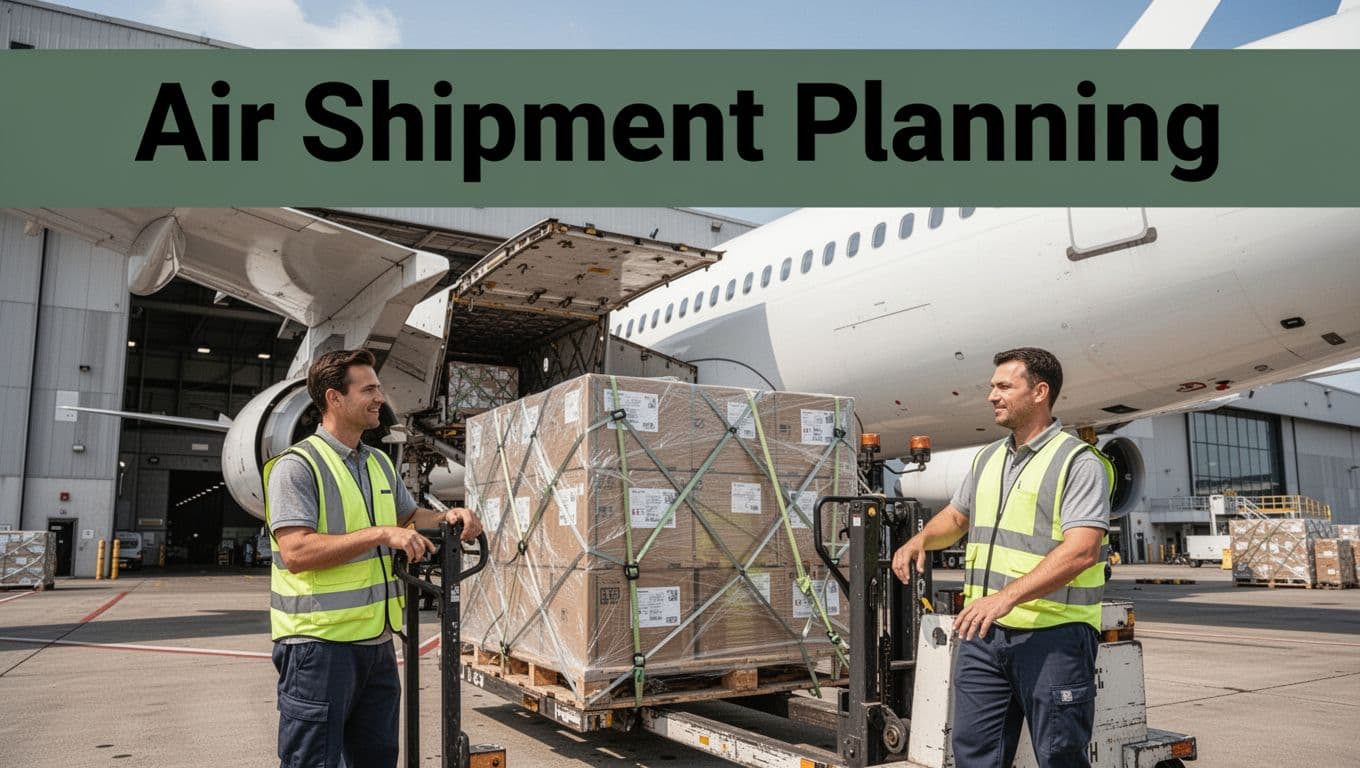
Next comes booking. Forwarders reserve cargo space on passenger aircraft or freighters. They also coordinate with the people who move your goods on the ground, like warehouses, ground handlers, and pickup teams. Because air schedules are tight, timing matters as much as distance.
A forwarder also plays negotiator. They often secure better pricing through airline relationships and volume agreements. Even small rate differences can matter on high-frequency shipments.
Finally, they manage movement through real-world tracking. If delays start building, forwarders can react. They may adjust handling plans, change connections, or help sort out claims if damage shows up.
Here’s the practical split many shippers see:
| Shipment task | Who typically handles it |
|---|---|
| Tell the forwarder what you’re shipping | You (the shipper) |
| Choose airline and routing | Forwarder |
| Book cargo space | Forwarder |
| Coordinate pickup and warehouse handoffs | Forwarder |
| Track movement and address issues | Forwarder |
| Pay duties or taxes (if applicable) | Often you, with forwarder support |
If you want a step-by-step view of how the air forwarding flow works in 2026, see the air freight forwarding process in 2026.
Picking the Right Airline and Route Every Time
Choosing an airline is not just about the lowest quote. It’s about fit. A forwarder weighs transit time, seat or cargo availability, and reliability. They also consider how fuel and route costs affect pricing.
As of 2026, many forwarders use more route data than in the past. They can compare options based on typical delays, seasonal peaks, and connection risk. They also track which routes have enough lift for your cargo profile.
For a simple example, imagine you’re shipping laptop units from China to the US. You care about arriving before a retail launch. A forwarder may recommend a faster route even if it costs more. Why? Because missing the launch window can cost more than freight does.
On the other hand, if your goods can wait, the forwarder might route through a hub with more frequent departures. That can reduce the risk of sitting in a warehouse due to limited space.
Also, cargo shape matters. Forwarders help plan how goods are packed for plane loading. Airlines load aircraft with tight constraints. So packaging and pallet patterns can affect how efficiently your shipment fits.
For speed shipments, forwarders also consider security steps. In the US, cargo moving through the air system can require screening. Your forwarder helps you meet those requirements in advance, so your shipment doesn’t stall at the last moment.
In short, the forwarder’s job is to pick the path that matches your priorities. Speed, cost, and capacity have to work together.
Handling Paperwork and Compliance Without Errors
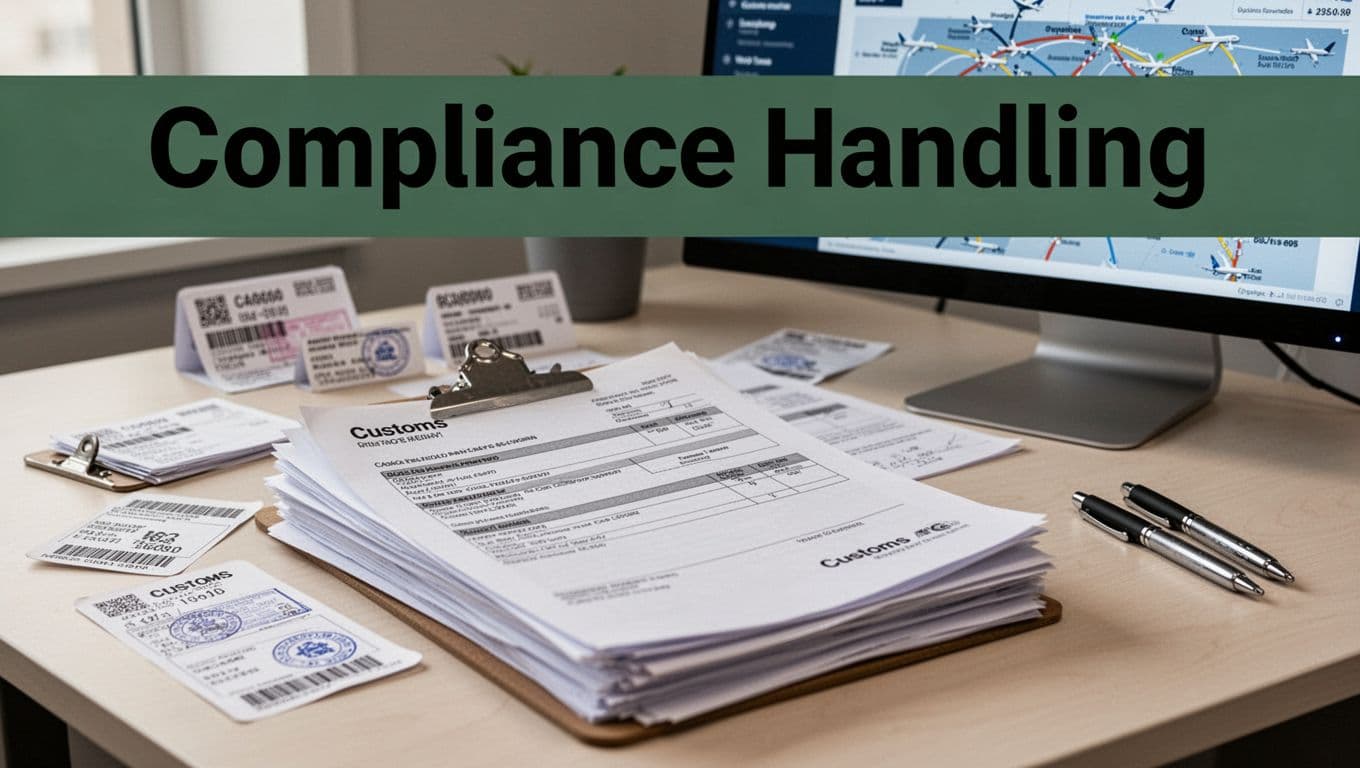
Paperwork is where many “I’ll just handle it myself” plans go wrong. One incorrect field can trigger a hold. A missing signature can delay customs. A mismatch between documents and the shipment can create extra inspections.
Forwarders reduce that risk by preparing and reviewing the documents before cargo moves. They also coordinate with customs brokers and trade teams when needed. That matters because air shipments often move quickly, leaving less time to fix errors.
Depending on the shipment, you may see multiple forms related to value, origin, classification, and shipment terms. Insurance paperwork may also be involved, especially for high-value cargo. For customs, the details help authorities confirm what’s in the box and why it should enter.
Many US shippers also run into compliance issues when they don’t align internal labels with the paperwork. For example, your invoice might describe the product one way, but the packing list uses another description. A forwarder catches these mismatches early.
For a clearer look at how forwarders coordinate documentation, booking, and import/export compliance, check freight forwarders in air freight logistics.
Then there’s security compliance. Air cargo movement follows strict rules. Forwarders plan for screening, controlled handling, and storage requirements. That protects your goods and helps the shipment keep moving.
As a result, you spend less time chasing updates. You also reduce the odds of surprise fees or missed delivery windows.
Essential Services Freight Forwarders Offer Beyond Flying Goods
Air freight is only part of the story. The rest happens before the aircraft and after it lands. That’s why forwarders offer services beyond booking flights.
A good forwarder can help with:
- Customs clearance support to speed entry at the destination
- Insurance and risk management for loss, damage, and delays
- Warehousing, pickup, and delivery coordination when timing is tight
- Multi-mode options, like air plus truck, so cargo reaches the final site
- Special handling for fragile, high-value, or perishable items
When shipments get consolidated, costs can drop too. Consolidation means your cargo may share space with other compatible goods. That reduces per-unit costs and helps improve flight space use.
Here’s a real-world feel: think about fresh flowers headed to a market that cares about same-week freshness. Air is the fastest option, but the forwarder still needs to coordinate chilled handling and quick transfer from the airport to a local carrier. Or picture a company sending high-tech parts for equipment repair. The forwarder may arrange secure warehousing and careful packing so the parts arrive ready to install.
If you want more context on the broader value forwarders add, including consolidation and related logistics services, see the ultimate guide to freight forwarders.
Customs Clearance and Insurance Made Simple
Customs clearance is often the biggest “wait” risk in air logistics. Even if the flight is on time, cargo can sit while documents get reviewed. Forwarders reduce that downtime by preparing correctly, submitting on time, and coordinating with customs teams.
They also help you choose insurance based on the shipment. Not every load needs the same coverage. The forwarder’s role is to help match risk to value. That can include coverage for damage during handling, loss in transit, or costs related to certain delay scenarios (depending on the policy and claim rules).
Because air cargo moves fast, it can be easy to underestimate risk during packaging. A forwarder pushes the right packing approach. That lowers the odds of broken goods and speeds claims if something goes wrong.
So, customs and insurance do more than protect money. They protect your schedule.
Top Benefits Shippers Get from Partnering with Forwarders
Why do companies keep using freight forwarders, even when shipping costs rise? Because forwarders reduce complexity. They handle the coordination work that slows most in-house teams.
One benefit is simple: time saved. Instead of calling multiple carriers, chasing updates, and reworking documents, you follow one workflow. The forwarder owns the process coordination and keeps you informed.
Another benefit is reduced risk. Forwarders focus on correct paperwork, safe handling, and compliance steps. That matters because a delayed shipment costs more than the freight quote.
There’s also cost control. Forwarders negotiate rates, consolidate loads when possible, and route shipments based on capacity and schedules. That means you’re not paying purely based on guesswork.
Finally, you get better visibility. Many forwarders provide tracking updates tied to actual movement. That gives you planning power for customer orders, production schedules, and inventory decisions.
Cost Savings and Speed You Can Count On
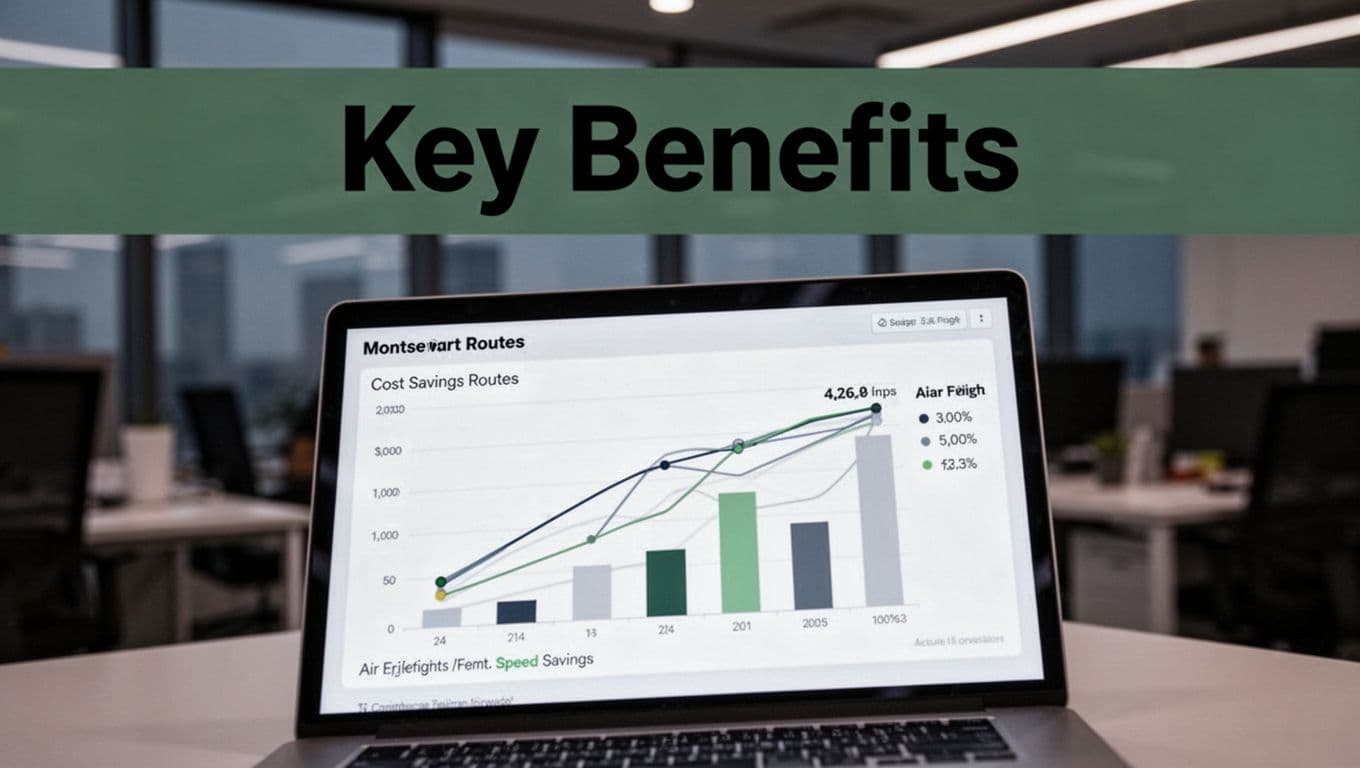
Speed comes from fewer gaps between steps. When forwarders manage pickup timing, warehouse handling, and booking windows, cargo doesn’t wait in the wrong place. That reduces idle time and helps you hit customer deadlines.
Cost savings usually come from two sources. First, forwarders use their relationships to secure better rates. Second, they consolidate shipments when it makes sense. Consolidation doesn’t always work for ultra-urgent cargo. However, for many time-sensitive loads, it still offers savings.
Also, forwarders plan amid changing costs. Fuel prices and route pricing can shift. Meanwhile, passenger aircraft capacity can tighten on certain lanes. A forwarder watches these shifts and adjusts options so you don’t overpay or get stuck with limited choices.
Tracking and fast issue response also protect speed. If damage or delay risks show up, forwarders can push the right next actions early. That helps you avoid the “find out later” problem.
When air shipping feels expensive, it often is. The forwarder’s value shows up when that cost converts into on-time delivery and fewer costly surprises.
Challenges in Air Freight and How Forwarders Tackle Them
Air freight has real hurdles. Regulations and security rules can be strict. Paperwork must be exact. Then you add the coordination challenge: air shipments involve many partners, each with their own timing.
Capacity is another issue. Seats and cargo space on flights can get tight. That can push rates up, especially during peaks. Even when your goods are ready, the flight schedule may not fit your ideal departure.
Weather and mechanical factors also hit air logistics. A storm can delay a flight. A connection can miss its cut-off time. If cargo gets damaged during handling, claims and replacements become time-sensitive.
On top of that, global trade complexity keeps changing. Routes shift. Suppliers move. Product categories and trade rules update. Companies that ship internationally need adaptability.
Forwarders tackle these issues through experience and networks. They maintain carrier relationships across lanes. They know how to respond when a flight changes. They also coordinate with local partners so the cargo gets moved quickly after landing.
They also use clear communication. When plans shift, shippers need updates they can act on, not vague messages. A forwarder can explain what’s happening and what options remain.
For more on the typical issues air cargo faces and ways teams handle them, see air freight challenges and how to overcome them.
Staying Ahead with Tech and Sustainability Trends
In 2026, forwarders keep adding tools to improve visibility and planning. Many use more advanced tracking and reporting to show where shipments stand. That matters when customer service teams need answers fast.
AI route planning also plays a role. It can help identify better paths, reduce the chance of empty segments, and improve booking decisions. Some forwarders also use data to support dynamic pricing, so capacity and demand reflect real-time conditions.
Sustainability is another trend shaping air logistics. Airlines increasingly offer Sustainable Aviation Fuel (SAF) programs. Forwarders may help businesses choose greener options on certain routes. Some also track and report the carbon impact per shipment, since reporting demands keep growing.
However, sustainability isn’t only about fuel. It also comes from better planning. When loads are packed efficiently, fewer flights waste capacity. When routes are optimized, emissions can drop.
Meanwhile, e-commerce speed expectations stay high. Even as growth patterns shift, customers still want fast delivery. Forwarders help by combining air with local transport, so cargo reaches remote locations without delays.
The bottom line is that forwarders keep adapting. They bring tech, compliance know-how, and practical routing decisions into one workflow.
Conclusion
Freight forwarders play a direct role in air logistics, not a “nice-to-have” one. They plan routes, book cargo space, and coordinate the handoffs that make speed possible. They also handle paperwork and compliance so shipments don’t get stuck at the last step.
Beyond flying cargo, they bring services like customs support, insurance, warehousing coordination, and multi-mode delivery. And when problems hit, they use their networks to respond quickly.
If your next shipment can’t miss its timeline, partner with a freight forwarder that can plan, protect, and execute. In air freight, a calm plan beats last-minute panic every time.